
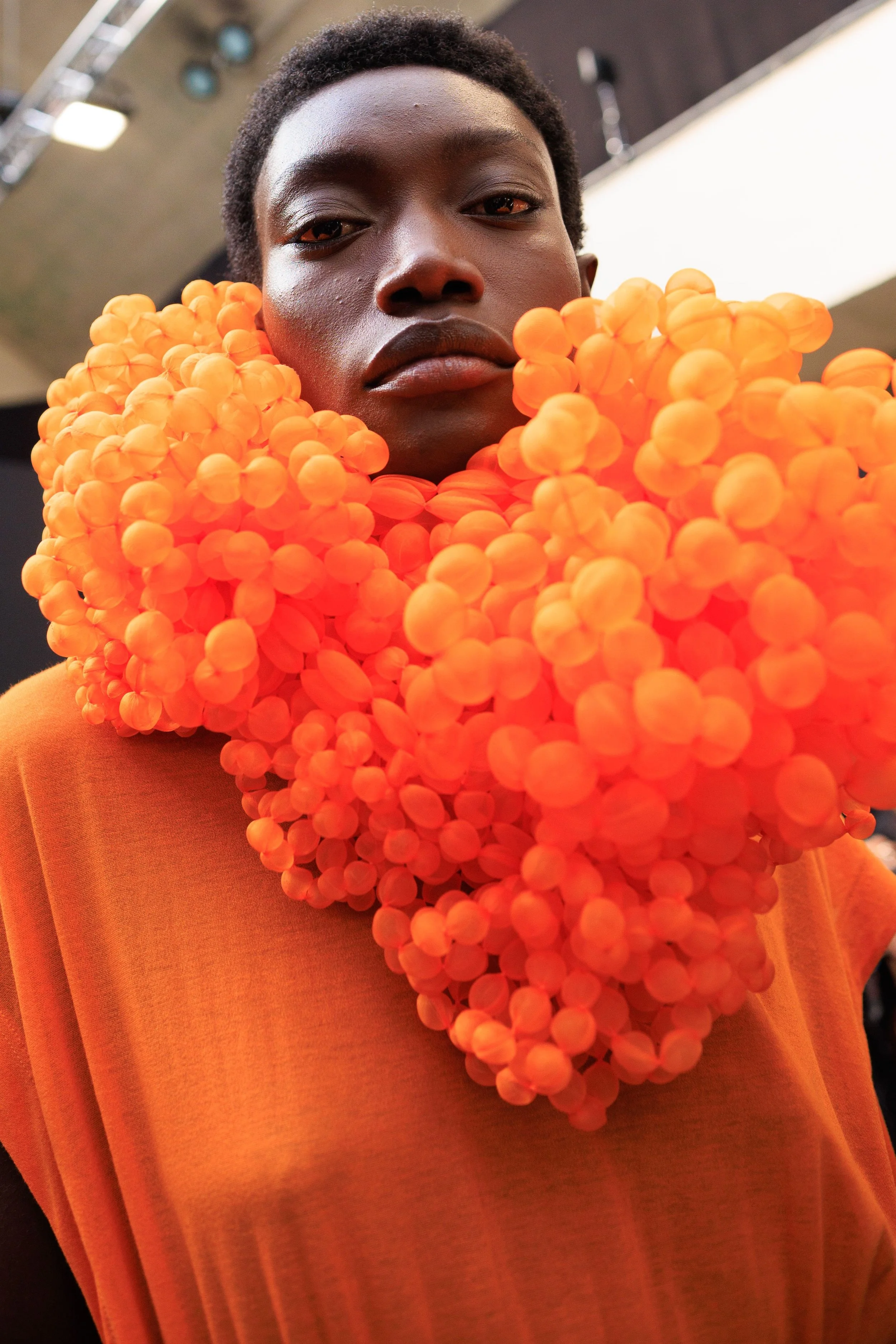
I have to admit that Pierpaolo Piccioli’s latest Balenciaga show left me feeling slightly disappointed. I was expecting to see more of the essence of the old Balenciaga, like what we witnessed in his debut show as the house’s creative director. In my opinion, Balenciaga had gone through a rather ambiguous period in terms of brand identity under Demna. I had hoped that Pierpaolo would reintroduce some of the house’s visual codes, even if only through the spirit that had defined the brand for so many years. Although the French luxury group Kering acquired Balenciaga back in 2001, I don’t believe this should mean that the brand’s essence has to disappear. After all, what makes Balenciaga special is its distinctive codes and history. For that reason, I believe they should be preserved, at least to some extent, even if that means reinterpreting them for the present day.
Putting this slight disappointment aside, I have had quite mixed feelings about this 2027 collection. There are some very interesting designs in terms of patterns and silhouettes, through which we can recover glimpses of the house’s essence. However, there are also other pieces that left me wondering what I was looking at. I don’t believe that simply giving a design volume or a sculptural shape automatically connects it to Cristóbal Balenciaga’s legacy. In my opinion, some of the garments in this show seem to have been justified by referring to a supposed “sculptural” inspiration, but, for me, that isn’t enough.
This is where my first questions about the brand begin to emerge: are we really recovering Cristóbal Balenciaga’s essence, or are we simply reproducing certain shapes that remind us of him? To what extent can a voluminous silhouette be considered a reinterpretation of the house?
To understand all of this, I think we need to look back and analyse what Cristóbal Balenciaga actually did. It wasn’t simply about creating garments or looks with a lot of volume, but about studying the body, the fabric, the silhouette and the process of creation itself. Designs such as the sack dress, the baby-doll dress and cocoon silhouettes became iconic not only because of their shapes, but because of the different way they approached the relationship between clothing and the body. Because if Cristóbal were alive today and still designing, do you think he would continue using the same shapes he created sixty years ago, or would he be exploring new silhouettes that we haven’t even seen yet? Honestly, I believe he would still be astonishing us with new ideas and constantly experimenting, just as he always did. And that is precisely where I think the creative directors of Balenciaga should step in. The point isn’t to create silhouettes simply for the sake of it, but to preserve that spirit of experimentation and transform it.
There is one particular design that has raised quite a few questions for me: a sheer midi dress with lace and feathers along the hem. Not because I think it’s ugly, quite the opposite. I find it very beautiful, with a lovely contrast between the fabrics and the overall design. However, it feels like a design we have seen many times over the past few years, rather than something particularly new or experimental. I know Cristóbal Balenciaga frequently worked with midi-length cuts, but I don’t know… the way it has been reinterpreted here doesn’t really say much to me.
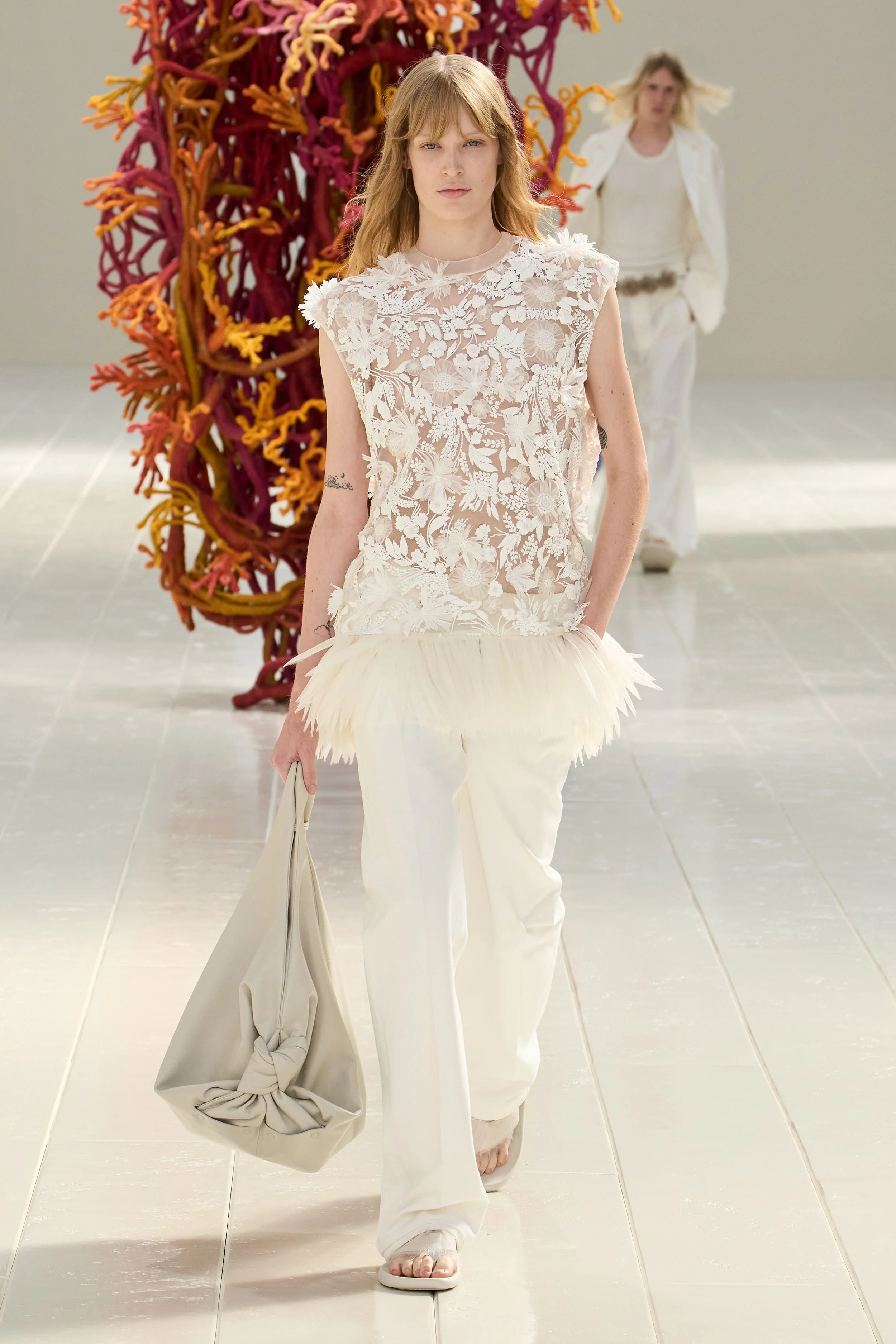
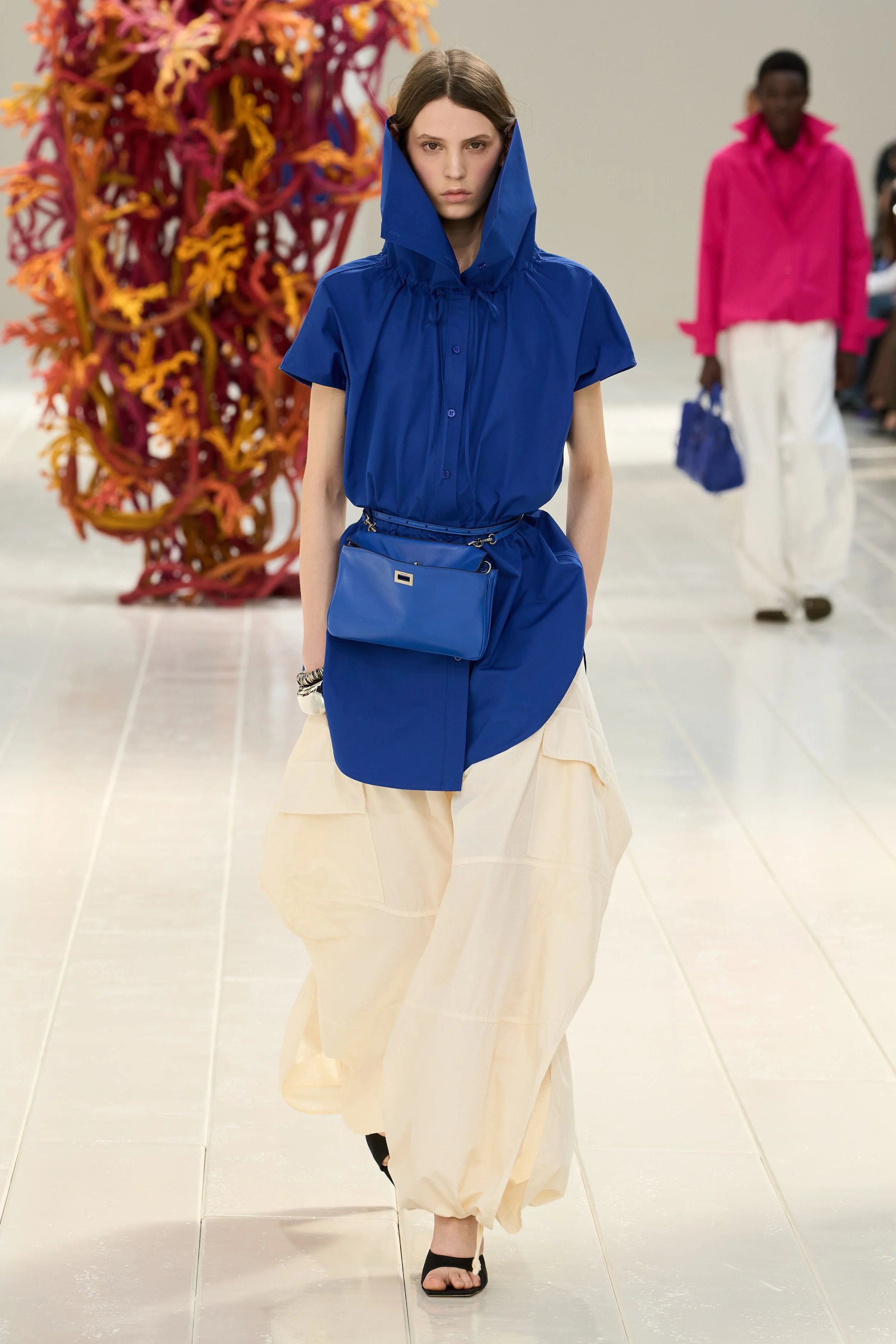
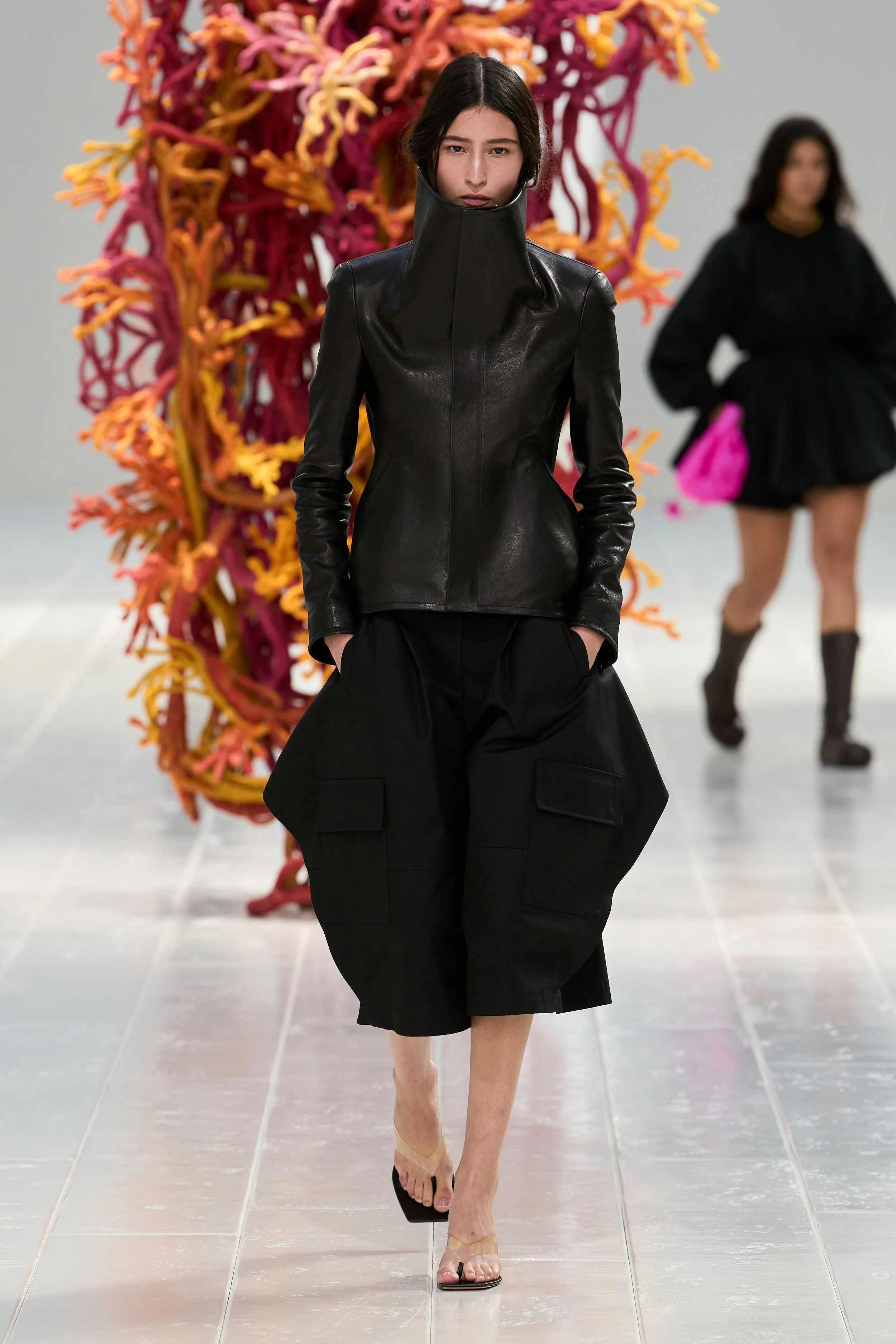
For example, it reminds me of one of Álvaro Calafat’s designs from his latest show, where we saw a very similar dress, with a comparable cut, sheer elements and the use of feathers, among other details. The same goes for the combination of blazers and cummerbunds. Obviously, I’m not suggesting that Pierpaolo Piccioli copied Calafat in any way. At this point, it is incredibly difficult to claim ownership over a particular design, especially when so much has already been created and we can trace similar examples throughout fashion history. We have seen designers play with cummerbunds, draping, structures and other elements layered over different garments for decades.
But this brings me to another question: what does Balenciaga actually add to an aesthetic that we have already seen so many times, both in recent years and on other runways? Of course, it would also be unfair of me to judge these pieces solely on their visual similarities. What if the key to this design lies in its construction, pattern-making, craftsmanship and tailoring rather than its appearance? Am I placing too much importance on being visually surprised by a look and seeing the particular essence of the house that I am searching for, to the point that I’m overlooking the process behind it? What I really want to explore is what these designs bring to the brand and how they will eventually make them their own, because there are so many ways to transform a classic garment and experiment with it.
Perhaps the problem isn’t that Pierpaolo’s designs are too simple or lack a strong identity. Maybe I was simply expecting a collection that felt more… I don’t quite know how to explain it, but one that captured more of Cristóbal Balenciaga’s essence while adapting it to the present day. I wanted to see that sense of experimentation and those designs that leave you completely astonished, with your eyes wide open, your mouth hanging open and your mind simultaneously questioning and admiring what you’re seeing.
On the other hand, I also want to talk about the accessories. I absolutely loved the bags and sunglasses featured in the collection. In some of the bags, I could really see a connection to the brand’s identity. You can tell there has been experimentation and manipulation in both the materials and the design. Some of the bags remind me of Balenciaga’s black evening dress, with its architectural silhouette and triangular shapes, as well as the knots incorporated into the bags themselves.
As for the sunglasses, I find them particularly curious and interesting. They cover a large part of the face and are accompanied by a chain that hangs down across the front. They are also incredibly striking accessories that don’t need a huge logo to make an impression. The glasses speak for themselves and are easily recognisable, giving the brand a distinctive personality. Isn’t it much more interesting when people can identify a fashion house through its design and construction rather than simply because its name is written across a product?
It’s also fascinating how accessories such as sunglasses or earrings can completely change the way we perceive an entire look. They can become a way of modifying the silhouette itself.
Another aspect worth discussing is the use of colour. It’s true that Cristóbal Balenciaga mainly worked with neutral colours, but he also experimented with vibrant shades. Still, the use of electric blue, turquoise, orange and, above all, pink reminds me of Pierpaolo Piccioli’s creative universe during his time at Valentino, where he demonstrated his love for powerful colours and his willingness to embrace them without hesitation. Think, for example, of the Spring/Summer 2022 Ready-to-Wear show or the Autumn/Winter 2022 Pink PP collection, in which pink became one of the central elements of the collection.
I think this is worth highlighting because it could be part of Pierpaolo’s own identity, something he wants to preserve and explore across the different fashion houses he has worked for or currently works with. I believe this is also what makes a designer interesting: being able to maintain your own essence, whether through silhouettes, embellishments or colours, while also knowing how to combine it with the different houses you work for.
And this leads me to another question: where does Pierpaolo Piccioli’s identity end and Balenciaga’s truly begin? Should he completely adapt to the house’s language and visual codes, or should he use those codes as a starting point from which to create something new?
Because, after all, if we completely remove the designer’s own essence, what is the point of hiring them in the first place?
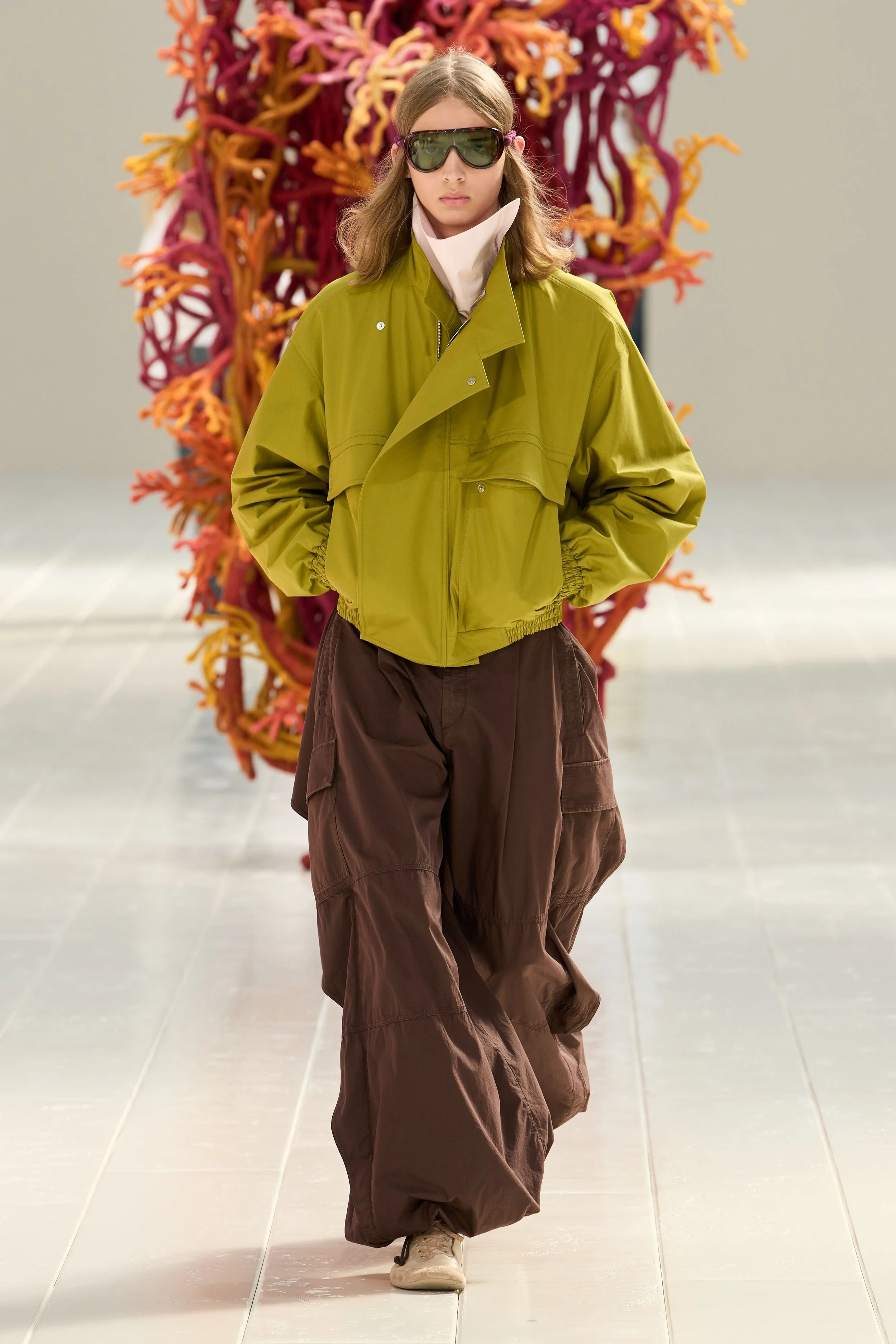
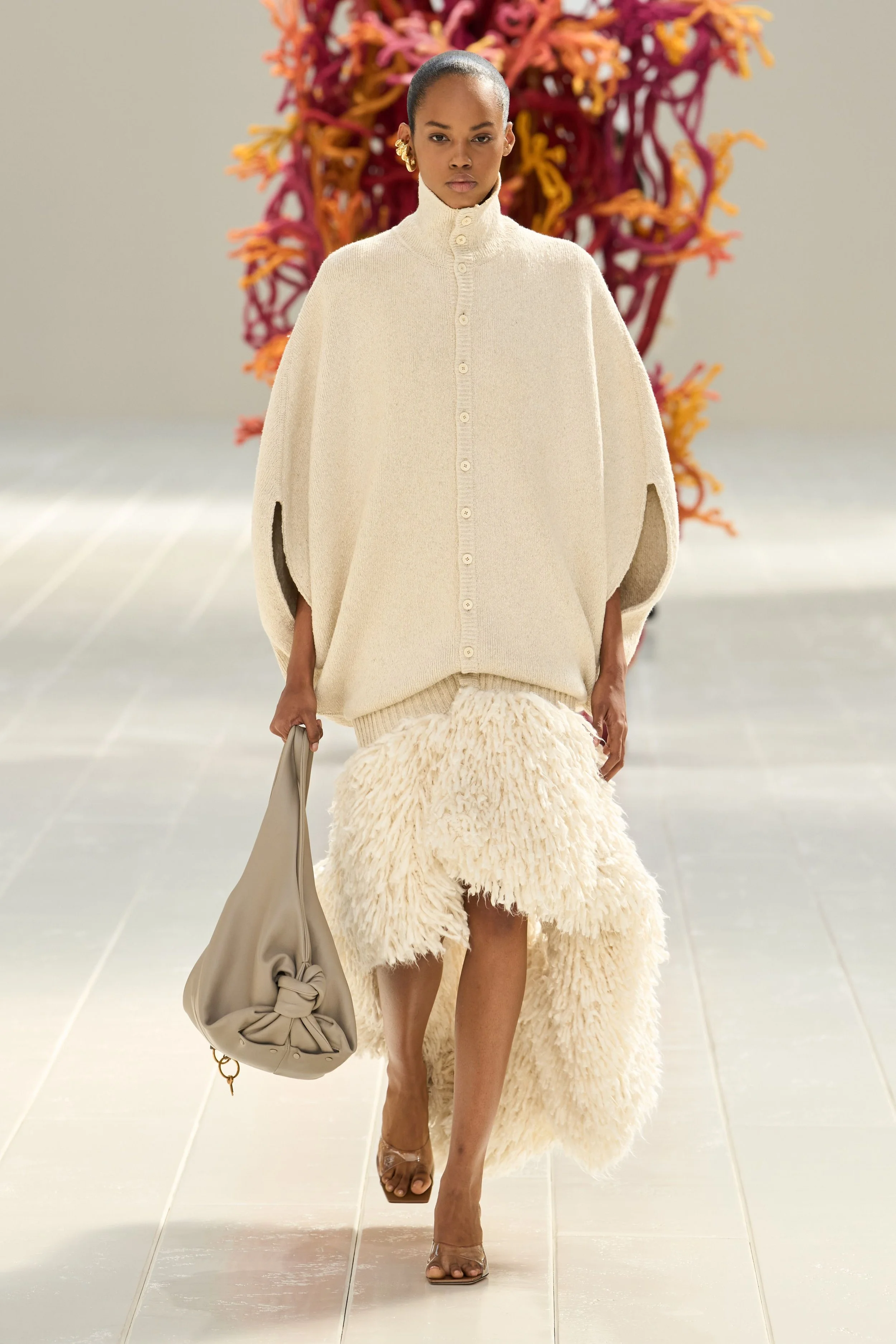
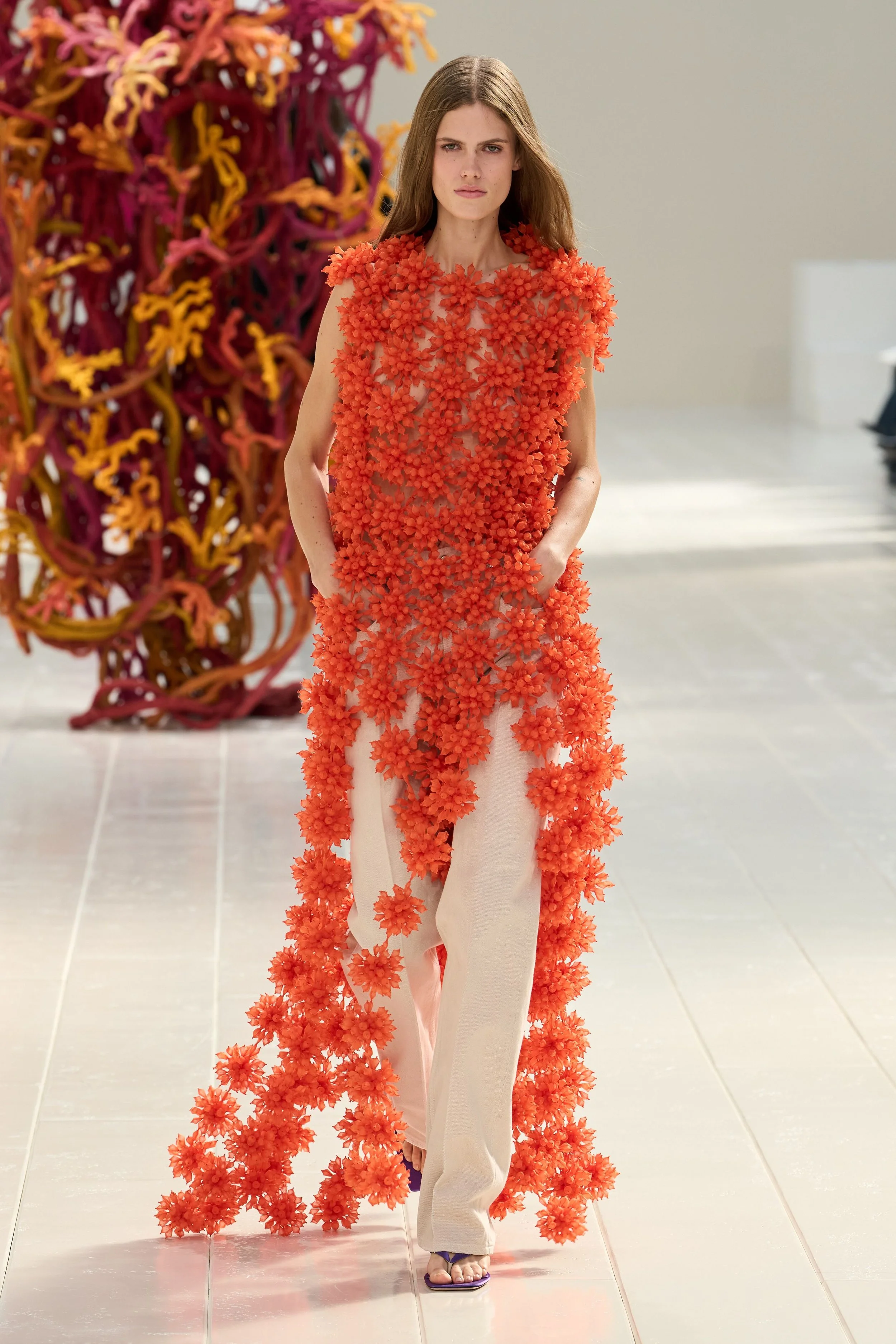
As for the show itself as a presentation, I believe the scenography plays a very important role in helping us understand the collection’s atmosphere. As we can see, the show took place at the Paris Tennis Club, where we encountered an enormous sculpture by a French artist, featuring shapes reminiscent of coral. Pierpaolo didn’t simply want to use coral as an aesthetic reference, but also to convey the idea that nothing shines on its own and that collective freedom and ideas need support in order to grow.
Could he also have been using this concept to portray the house as a kind of “living ecosystem”? I’m not sure if I’m explaining myself properly, but perhaps he wanted to show that behind a fashion house there are countless hands, workers and people who keep it alive, allowing it to continue shining and functioning.
I want to finish by saying that, after taking a closer look at this collection and asking myself so many questions, perhaps I’ve been a little too critical of certain designs. Or perhaps my expectations were simply quite high after his first show, which left me with a special feeling that I couldn’t quite shake off.
It’s true that there are some garments I’m still not entirely convinced by, but there are also designs that I find genuinely interesting, where I can appreciate the very essence I’ve been talking about throughout this analysis.
I also think that we often judge things, myself included, purely by what we see on the runway, without taking into account all the work that goes on behind the scenes. After all, how many times have we seen a garment that appears to have nothing particularly special about it, only to discover that it actually hides months of research and experimentation? As a fashion student, I should be even more aware of that and try to approach these designs with greater empathy.
Ultimately, I think this collection has left me with more questions than answers, and, above all, has made me constantly contradict myself. But perhaps that’s part of what makes this whole process so interesting. I still believe Pierpaolo could have taken a few more risks, but I also understand that this is only the beginning. Because even though there are designs I don’t fully understand, I don’t want to focus exclusively on that. After all, isn’t the whole point of fashion analysis to examine things, question what we see, investigate what lies behind them and, sometimes, even change our own minds?
Words by @carlotapsd
Translated by @alraco43