
DITTER SPEAKS ABOUT CRINGE IS THE NEW SEXY AT ROCK EN SEINE 2026
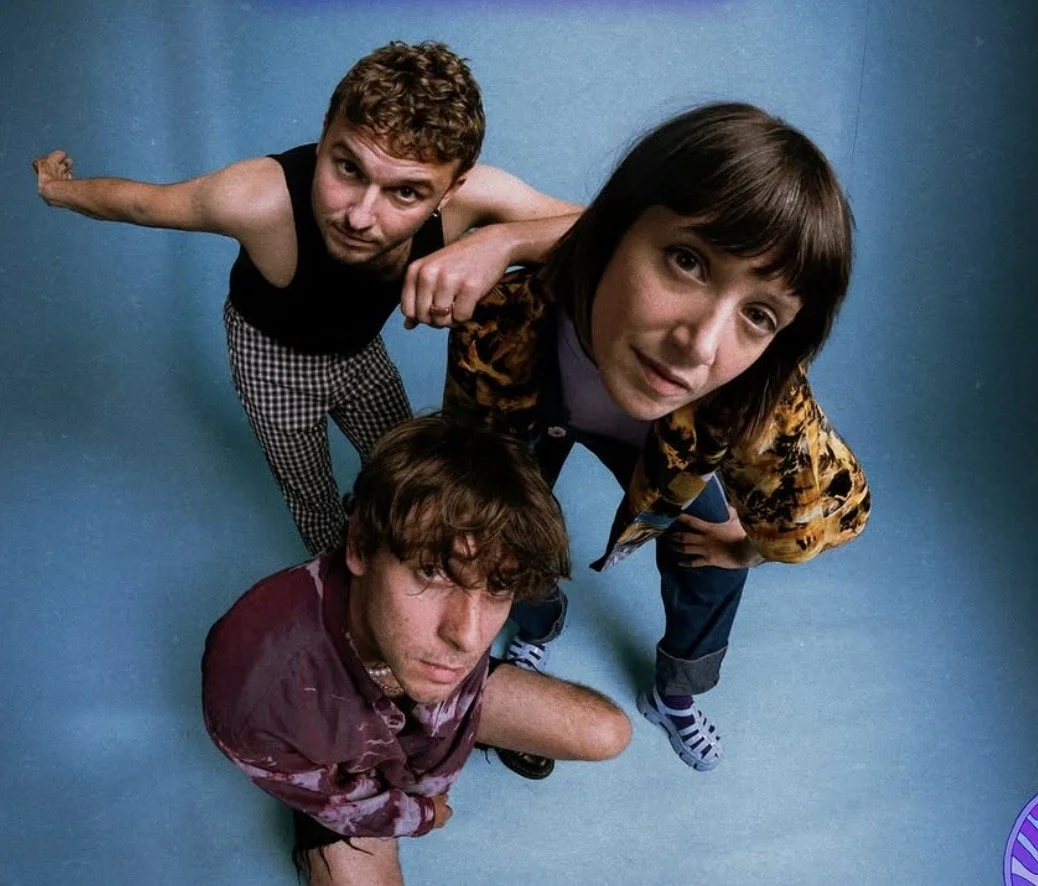
For Ditter, cringe isn’t something to avoid, it’s part of the process. Three years and around 200 shows after first appearing at Rock en Seine, the French trio returned to the festival having transformed a project initially created for fun into something increasingly difficult to ignore. Moving between funk, pop and club music, Ditter embrace the contradictions of being artists in an era of constant exposure: wanting to be seen while cringing at their own faces on social media, taking the world seriously while using humour to survive its chaos, and drawing inspiration from the same internet culture that can become overwhelming. As they close a chapter of relentless touring, Ditter speaks about creative disagreement, learning music through YouTube, nostalgia, the relationship between stage and studio, and why growing as an artist doesn’t necessarily mean learning to stop caring what other people think.
Álvaro Ramos: You first played Rock en Seine three years ago, when Ditter was still at a much earlier stage. What feels different about coming back three years later?
Ditter: It feels different because everything really started three years ago. Since then, we’ve found the people who work with us, like our booker, and we’ve played a lot. We’ve been touring for three years, made a lot of friends and spent a lot of time on the road. It’s been amazing. I think we’ve played around 200 concerts, and this is the last show of our French tour. We might play a little bit abroad afterwards, but then we’re going to take a few months off in France. So it feels amazing to finish this chapter here.
ÁR: You’ve described yourselves through this idea of cringe, which is essentially connected to the fear of being judged by other people. Do you think becoming an artist is partly about learning not to care about that judgement?
D: Yes, I think that’s a good point. It’s something you have to practise as an artist, both to survive in this world and to constantly question your own craft. But I don’t think you ever completely stop caring. It’s always a learning process.
ÁR: When you’re releasing a new song or an album, what makes each of you the most nervous? Where does the cringe appear: the lyrics, the music, the visuals?
D: I think we all have different answers. For me, it’s the lyrics. We write in English, which isn’t our first language, so sometimes I’m worried that I’ve made a mistake or said something in a way that doesn’t really work. Sometimes afterwards I’m like, “Ah, I shouldn’t have said that.” Releasing music in general is scary. And maybe the cringiest part is that you never completely learn how not to judge yourself. I think we will never stop cringing at seeing our faces on social media. Being so exposed requires a lot of work on yourself, and it’s almost impossible not to think about what people are going to say. What will they think about the image? Are they going to understand the message we want to communicate? We would love to be completely chill about all of that, but I think it’s almost impossible. For me, it’s the image. How I look. I know that sounds very simple, but it terrifies me.
ÁR: There’s something very physical about Ditter: funk, pop and club music seem to coexist in the same space. When you’re creating, do you think first about how a song should sound or about how you want people to move to it?
D: When we create songs, historically, we haven’t thought that much about the live show. But I think we will in the future because the experience of being onstage is really changing the way we see our music. At the beginning of the tour, for example, we had some songs in the show that we hadn’t released yet. We tried them live and saw how people reacted, and that became part of the creative process. Seeing those reactions can change the arrangements when we go back into the studio. So now it’s becoming this never-ending process between the live show and the studio.
ÁR: Humour and irony are everywhere in Ditter, even when you’re talking about serious subjects. Is humour a way of making those ideas more accessible, or is it simply how you naturally communicate?
D: Both, actually. It’s the way we process things, and it also makes them more accessible, firstly for ourselves. Sometimes we struggle to understand what’s happening in the world, and we need a way to bring those things down to a level where we can actually process them. Humour is part of that. With everything going on in the world right now, with all this everyday chaos, sometimes it feels like the only way we can survive is by bringing as much humour into it as possible. Of course, we’re still affected by things. We still cry about things. But trying to make something out of that through humour is almost part of our political position too.
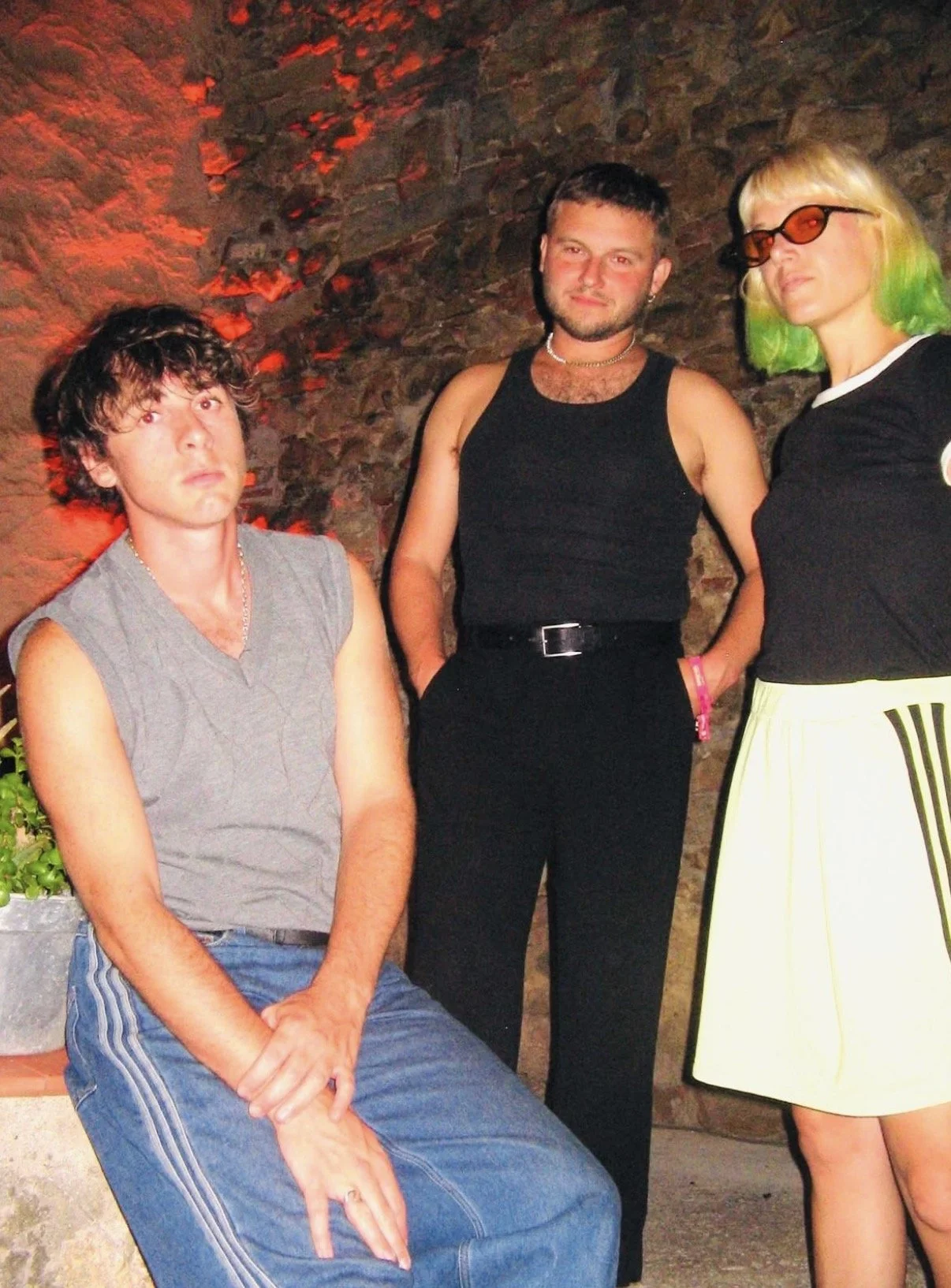
ÁR: Your music feels deeply connected to internet culture itself: overstimulation, references constantly colliding with each other, everything existing simultaneously. How much has growing up online shaped Ditter?
D: We grew up with the internet. We learned how to make music through tutorials on YouTube. Every time we struggled to understand how to do something on a computer, we would just go to YouTube. It’s this massive ecosystem that is fascinating because there’s so much you can learn from it. We definitely grew up with that. And I think it shapes our music too. We probably spend too much time on Instagram. I definitely spend too much time there. But at the same time, it has become a network that inspires me and one of the main ways I discover music. Everything is in the same place, and I can feel that in our music.
ÁR: There are three of you making music together, with three different perspectives. How important is disagreement to Ditter? Has there ever been an idea that one of you hated at first but that eventually became essential to a song?
D: Definitely. I remember when we were making “The Way to Follow You”. The first version was much slower, and then one of us came up with the idea of pushing it further and adding more energy. Someone else immediately went, “No, guys, you’re killing the vibe. This isn’t what the song is about.” And now it’s one of our favourites. So yes, sometimes one of us can be very sceptical about an idea at first, and then it ends up becoming essential.
ÁR: There’s currently a strong revival of sounds and aesthetics from previous decades. Do you feel connected to nostalgia, or are you more interested in escaping it?
D: I feel really connected to that period because it’s the music we grew up with. It’s what we listened to when we were teenagers, and that’s such an important period in constructing who you become. So those references are inevitably part of us.
ÁR: You’re part of a new generation of French bands, but the three of you also come from different musical backgrounds. How did Ditter actually begin?
D: Some of us have known each other since high school, so we’re long-term friends. Then we met Rosa at a studio near Paris while working on her project at the time. Eventually, Ditter came together and we started making music because it was fun. I think that was really important because we had all been involved in other projects before, and those projects were always very serious. Everything had to mean something and be taken seriously. With Ditter, we allowed ourselves to laugh about things and not take everything so seriously. Ironically, the project that started as something fun ended up becoming our main project.
ÁR: And now you’re playing at the same festival as artists who have been important to you personally. How does that feel?
D: It’s a big moment. The Cure was the first album I ever bought when I was 14, so I’m a little overwhelmed by the idea of being here at the same festival and getting to see them all these years later. It’s also exciting because people might come to see our show and then discover completely different music afterwards. We’re sharing the festival with artists we grew up listening to and artists whose music is completely different from ours. It’s huge. Honestly, it’s insane.
ÁR: Finally, what advice would you give to a younger generation trying to create their own project?
D: Don’t listen too much to what people have to say. Or actually, maybe listen, but don’t necessarily follow their advice. Always stay aligned with what you want to do, even if it takes time. Because it takes time.
Questions by @alraco43