
FIRST TIME AT THE MEP: DISCOVERING WHAT PHOTOGRAPHY CAN MEAN
Paris has no shortage of images, but few institutions have shaped the city’s relationship with photography quite like the Maison Européenne de la Photographie. Since opening in 1996 in the Marais, the MEP has become a key reference for contemporary image-making, constantly expanding photography into fashion, film, performance and wider visual culture. More than a museum, it functions as a space where established names meet emerging voices and where the image is treated as a living, evolving language. This was our first visit as an independent magazine, and it felt like the right place to begin: a space built around looking differently, questioning the present and understanding how images shape the way we see culture today.
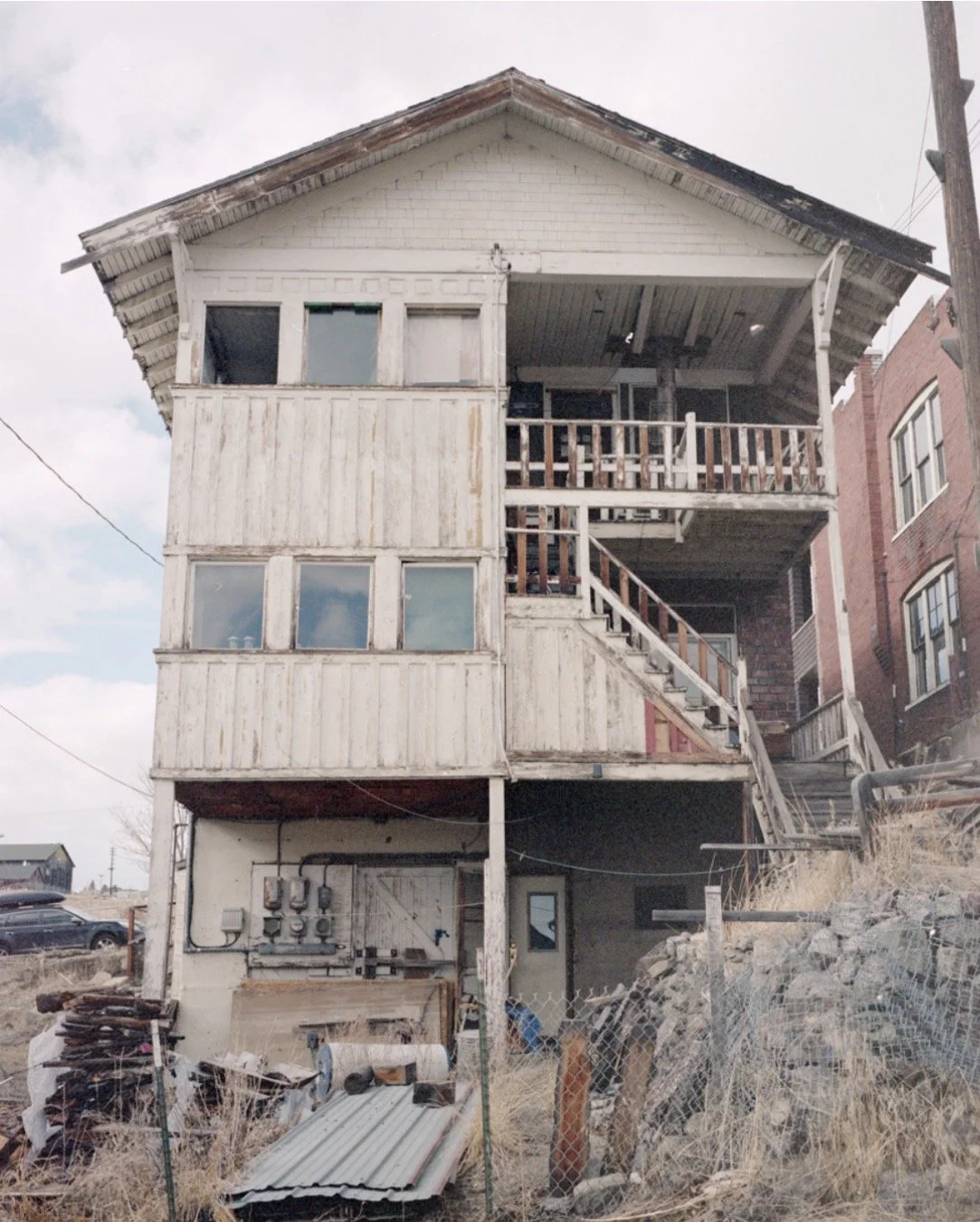
That idea of looking differently continues downstairs at the MEP Studio, the museum’s space dedicated to emerging artists and contemporary creation, with “Faultlines” by Martine Dawson. Born in Paris and now based in Marseille, Dawson works from a documentary approach that never feels strictly documentary, allowing imagination, intuition and personal experience to interfere with the supposed objectivity of the image. Here, her attention turns to Butte, Montana, a city born from promises, enriched by extraction and ultimately marked by abandonment. Supported by the CNAP’s documentary photography grant in 2019, the project combines black-and-white photographs mounted on wood with archival material Dawson collected while researching the city’s history, allowing visual patterns and unexpected connections to emerge between different moments in time. Traces of the past resurface in gestures of the present, turning Butte into something more complex than a portrait of a post-industrial American town: a meditation on memory, displacement and belonging, crystallised in one line: “Home is a place some of us never find.” Programmed by Clothilde Morette and supported by Parfums Christian Dior, “Faultlines” also captures what makes the MEP Studio particularly interesting: giving emerging practices the space to complicate the stories that photography is supposed to simply document.
If “Faultlines” looks at how photography can portrait a place, “Photography from A to Z” asks something even broader: what can photography actually contain? Presented for the bicentenary of the medium, the exhibition brings works from the Neuflize OBC Corporate Collection into conversation with the MEP’s own holdings, constructing an alphabet that deliberately refuses to behave like a conventional history of photography. Instead of chronology or movements, each letter becomes an excuse for unexpected encounters, guided by the influence of John Berger’s Ways of Seeing and, particularly, his assertion that “seeing comes before words.” Playfulness, mystery and free association replace the didacticism we might expect from a retrospective celebrating two hundred years of the medium. A is for Adolescence, explored through Yohanne Lamoulère and Claudine Doury; H is for Histoire, where Sophie Calle demonstrates how text and image can create a third space somewhere between fact and imagination; I is for Illusion, with Elina Brotherus turning what would normally remain outside the frame into the subject itself. Even M for Museum becomes an exercise in looking again: Candida Höfer empties the Louvre of its visitors, revealing the galleries as strangely theatrical spaces in their own right.
As the alphabet unfolds, however, the exhibition becomes less about defining photography than exposing its ability to define us. J.D. ’Okhai Ojeikere’s documentary practice preserves hairstyles and techniques threatened by changing fashions, transforming photography into an archive against disappearance, while Ari Versluis and Ellie Uyttenbroek’s work under T for Taxonomy examines the tension between individuality and belonging: the same poses, clothes and accessories that make us part of a group are also the tools we use to insist that we are different. Q for Queer returns to a word once used as a slur and later reclaimed by those positioned outside established social and sexual norms, reminding us that both language and images participate in deciding who gets to be seen, and how. Elsewhere, Rogério Reis turns his camera towards the contradictions of a changing Brazil, while the alphabet ultimately arrives at Z for Zeitgeist with Nan Goldin, whose radical proximity to her subjects collapses the distance between photographer and photographed. Her images do not observe a generation from the outside; they exist from within it. And perhaps that is the smartest conclusion to an exhibition organised like a dictionary: after two hundred years, photography remains impossible to fully define. It can archive, expose, distort, classify, remember and invent; but, above all, it continues to teach us new ways of seeing.
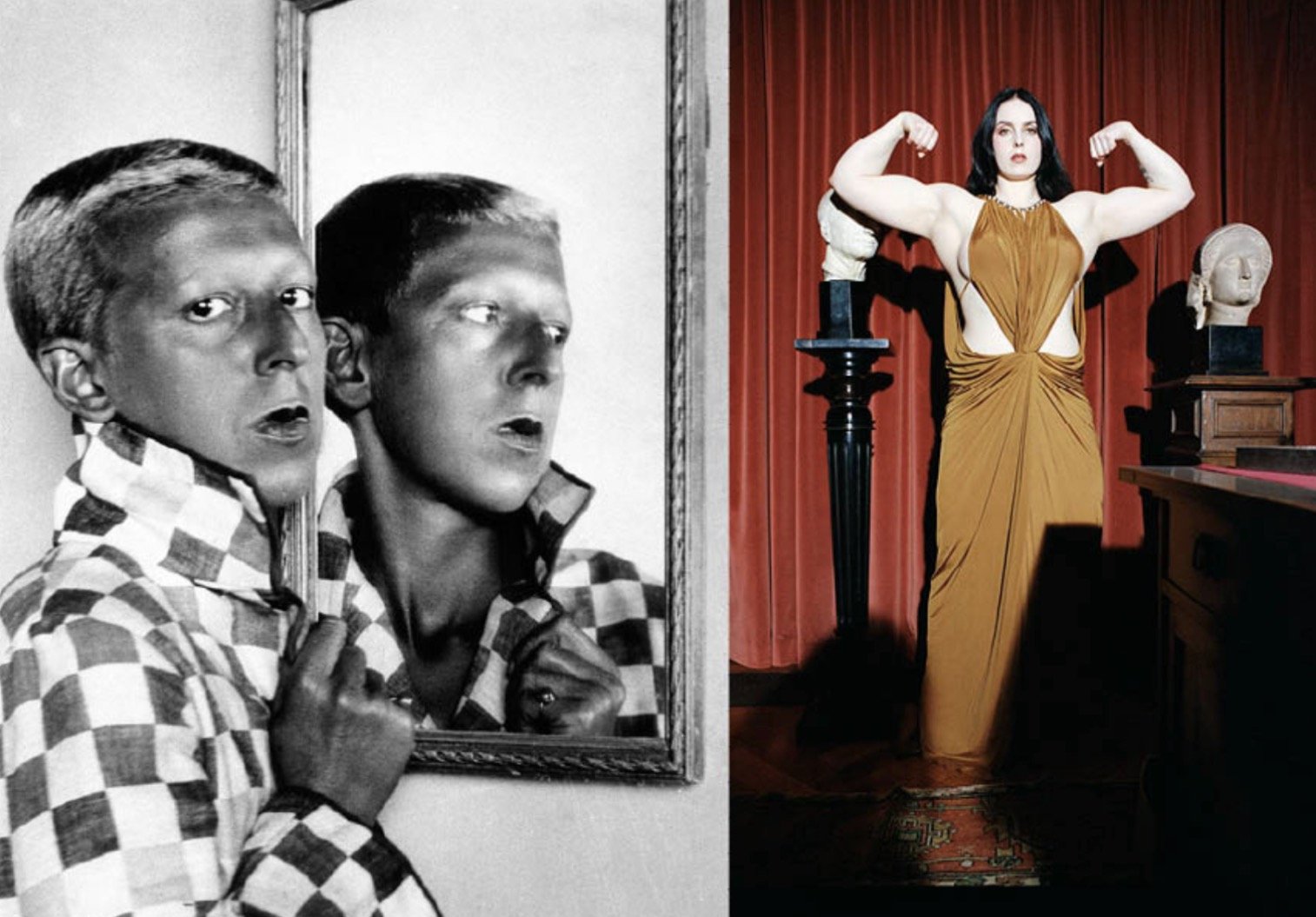
Going upstairs to the top floor of the MEP, Camille Vivier’s work sits in the fertile space between fashion image-making and a more personal investigation into the body, objects and the strange relationships that can emerge between them. Moving between commissions and independent research, she builds images in which living beings and inanimate forms seem to mirror, disturb and occasionally absorb one another. Her fascination with powerful female figures; drawn from fine art, pop culture, counterculture, literature, comics and Old Hollywood; gives her work a sense of theatricality, but beneath the elegance there is always something more unstable: an erotic tension, often tinged with fetishism, created by the confrontation between flesh and sculpture. This becomes especially clear in portraits inspired by Robert Mapplethorpe’s collaboration with bodybuilder Lisa Lyon, where the athletic female body is treated as something constructed and sculpted, opening a wider meditation on the plurality of femininity and the ways identity itself can be “built.” The same logic extends to Vivier’s photographs of puppets, first discovered during a children’s performance and later removed from the theatre to be photographed as autonomous objects, and to compositions in which the curves of a model’s body visually echo those of surrounding statues. In these encounters, photography becomes the perfect territory for ambiguity, exposing both the almost-living quality of objects and the artificiality already present within the human image.
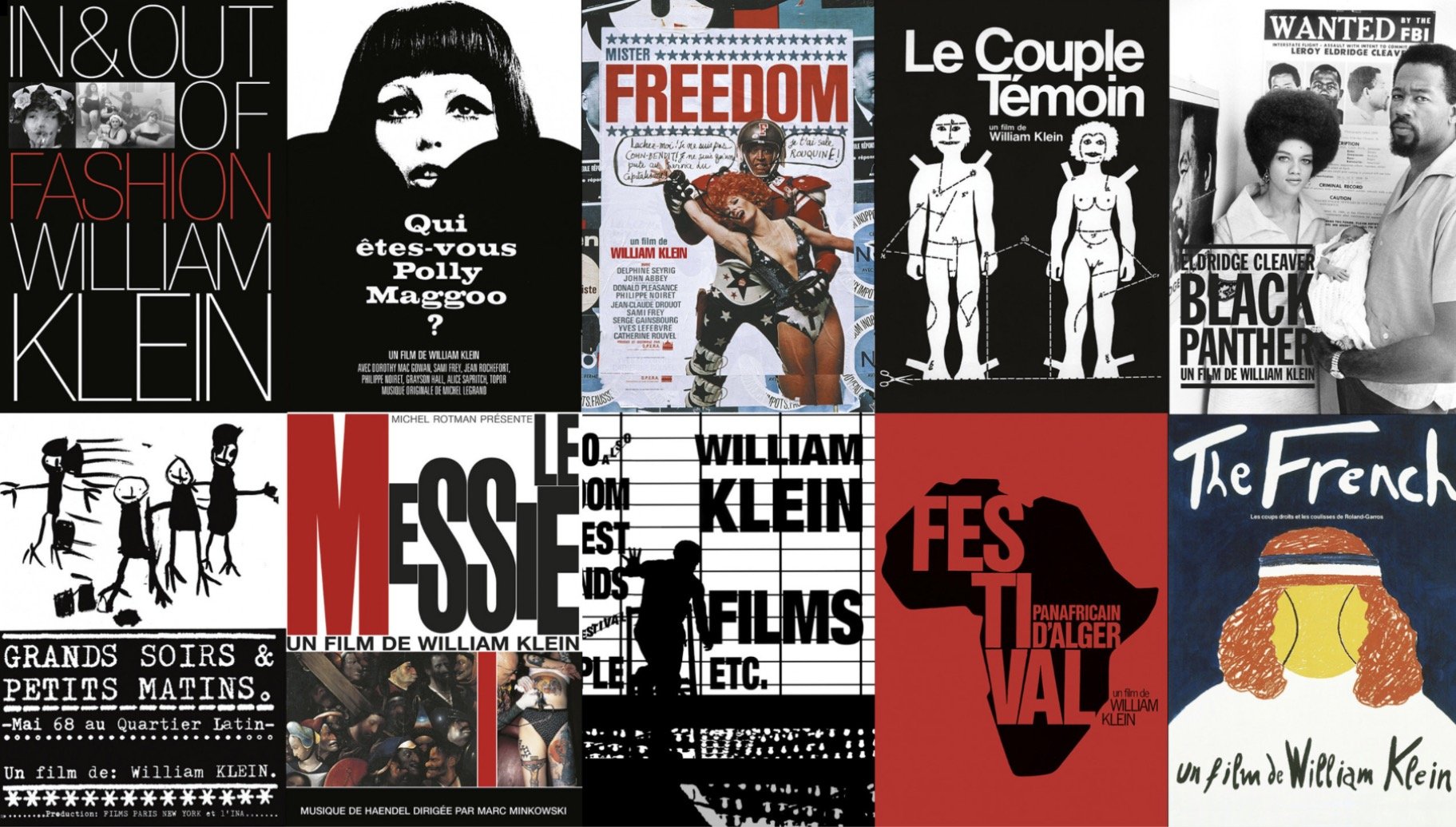
William Klein’s photography is built on confrontation. By working with wide-angle lenses and pushing himself physically close to his subjects, he created images charged with an immediacy that would become unmistakably his own. Rather than smoothing reality into something elegant or controlled, Klein distorted it: he played with depth and image planes, embraced blur and grain, and printed with deep blacks and aggressive contrast, allowing the photograph to feel as restless as the world it captured. That instinct carried directly into his work for Vogue, where he disrupted the conventions of fashion photography by placing models not in polished studio settings but against the noise, movement and unpredictability of the city. The result was fashion absorbed into real life rather than separated from it. Decades later, in his “painted contacts,” Klein pushed that irreverence even further, enlarging details from contact sheets and painting directly onto the prints, collapsing the boundaries between photography, painting and graphic intervention. Across each phase of his work, the image remains something to be manipulated, attacked and reimagined rather than simply observed.
Taken together, these exhibitions reveal photography not as a fixed language, but as a field of constant negotiation between reality, memory, identity, fiction and representation. From Martine Dawson’s excavation of place and history, to Photography from A to Z and its associative way of thinking through the medium, Camille Vivier’s tension between bodies and objects, and William Klein’s radical distortion of both fashion and the street, the MEP presents photography as something that does more than document what is in front of us. It constructs, disrupts, preserves, questions and reimagines. What links these very different practices is a refusal to treat the image as neutral: every frame carries a point of view, every archive reshapes memory, and every visual choice creates new meanings. For a first visit as an independent magazine, that felt particularly relevant; a reminder that looking is never passive, and that photography remains one of the most powerful ways of understanding, challenging and rewriting the world around us.
Words by @alraco43