
Kidd Voodoo is at a pivotal moment in his career. After establishing himself as one of the most recognizable figures in the Chilean urban music scene, the artist is embarking on a new phase with Euforia—one that is more intimate, introspective, and open to new sounds. This conversation covers the album's origins, his evolution away from straightforward reggaeton, the collaborations that have shaped this new facet of his work, and the impact fame has had on his life. He also reflects on TikTok, the music press, the visual identity of his projects, and his ambition to build a global career without being pigeonholed into a single genre.
Álvaro Ramos: Who is Kidd Voodoo in 2026?
Kidd Voodoo: I think I’m an artist on the rise and a pretty ambitious person.
AR: Conceptually, Satirología involved a massive amount of work. Do you feel the same is true for Euforia?
KV: Yes, though in a different way. Euforia focuses heavily on aesthetics and the visual presentation of the project. But in terms of concept, Satirología was a huge undertaking—especially the first album. I really enjoyed making it, and I think I’d create something like that again at some point.
AR: For someone who discovered you through Euforia, which songs from your previous albums would you recommend?
KV: From Satirología, I’d recommend “No con nadie” with De La Ghetto. And “Todavía el escudo.” If you’re coming from Euforia, I’d also suggest listening to “Destello” (from Satirología Deluxe), “Confortas pero dañas,” and “La verdad.” I think those songs really connect with this new phase.
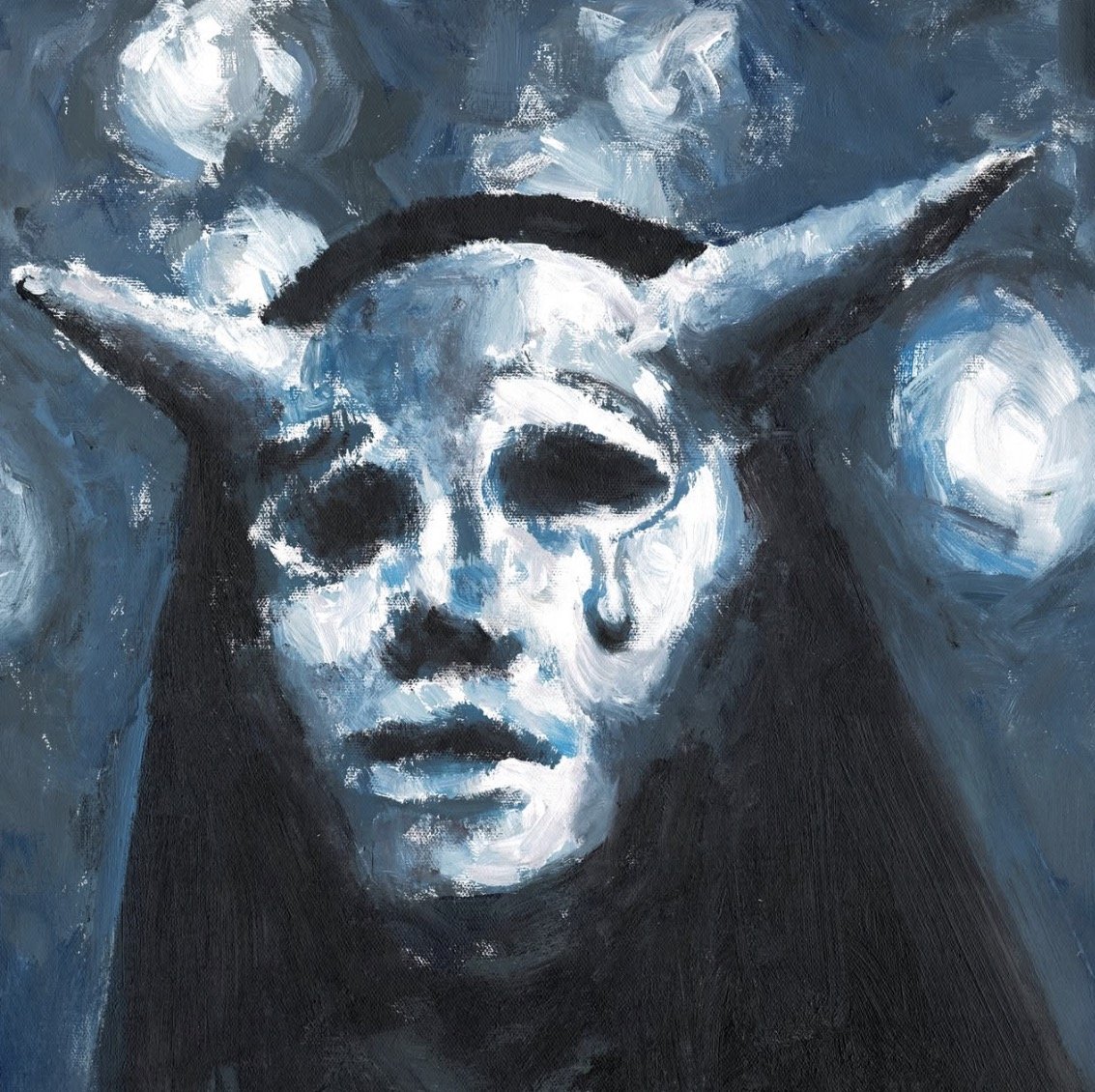
AR: The cover art for Euforia breaks away from your previous work. How did it come about?
KV: I started looking at my album covers, and I was on all of them. I felt like I was showing my face too much. Since this album was more introspective and intimate, I reached out to a friend in Chile who is a painter. He came up with about eight proposals, and we ultimately chose the one with the sky-blue angel. It struck me as a different way of representing the nightclub. It’s something more for listening to alone, something more inward-looking.
AR: That aesthetic carries over into the visual aspect as well.
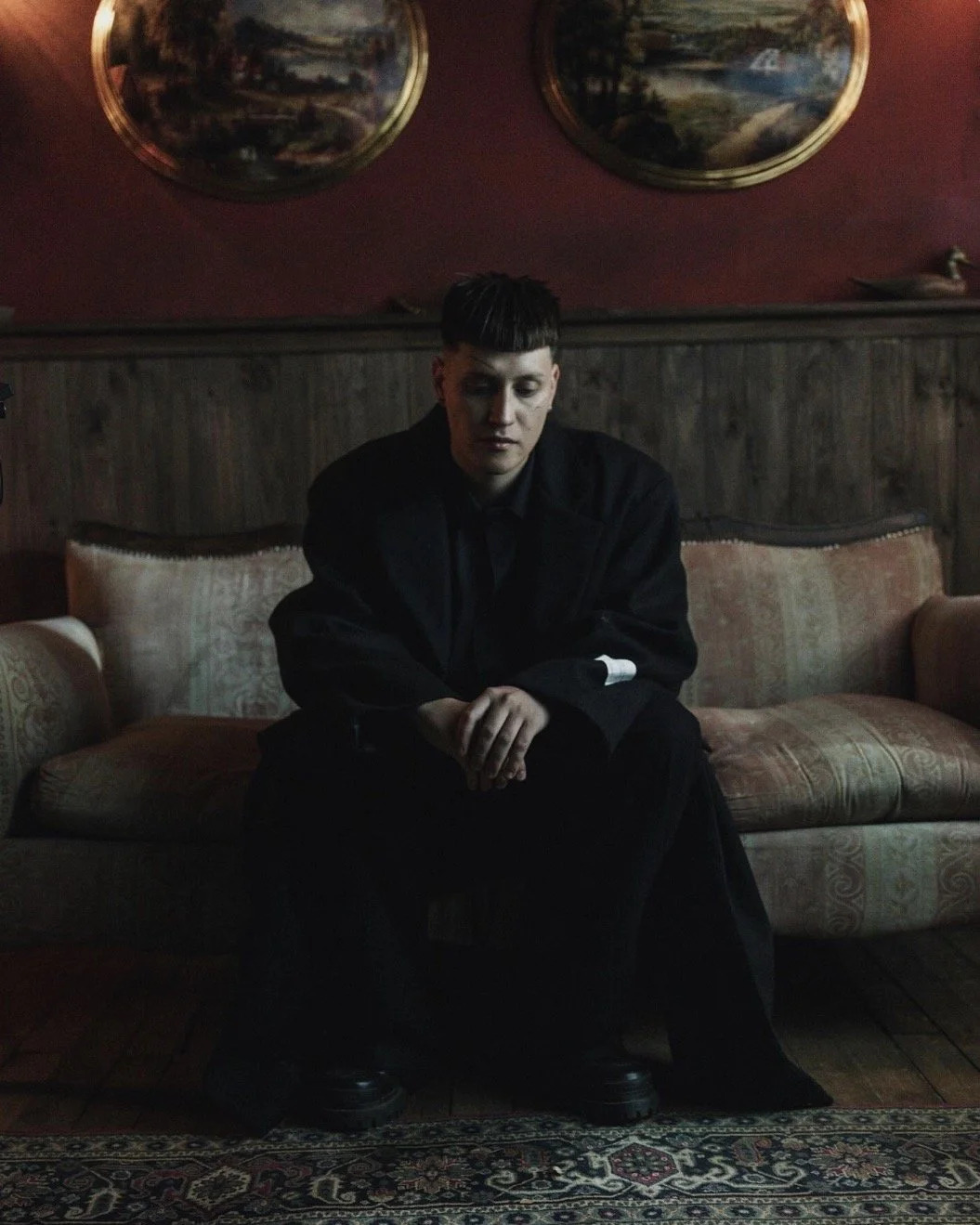
KV: Yes. We shot all the visuals in Spain—and on film, not digital. It was much more complex because time was limited, it was incredibly hot, and I was wearing a black coat all day. But it was a lot of fun. I feel like shooting a project like this in a country I’m gradually discovering holds a certain symbolic meaning, too: it’s like starting over.
AR: On Euforia, you collaborate with artists like Pablo Alborán or Mon Laferte. What was it like stepping into that world?
KV: I came from a much more urban music background, and suddenly I started making pop-leaning reggaeton and even edging toward indie. I was a bit afraid because my audience wasn't used to that, but I didn't want to keep doing the same thing, either. The best part was meeting artists and teams who were so respectful. Beyond the music, I was able to build conversations and friendships.
AR: Did you face any prejudice because of your reggaeton background?
KV: Honestly, no. They might have had a preconceived image of me, but when they heard the demos (which were often just guitar and vocals) they understood the concept perfectly. Neither Pablo nor Mon Laferte held any prejudices. Quite the opposite. Plus, I learned so much from people who have been in the industry much longer than I have.
AR: Was “Ese Yo” the song that changed the trajectory of your career?
KV: Absolutely. I saved it for last because I thought, “It doesn’t matter; the album is reggaeton, and this guitar-based track will just be another song on the record.” One day I played it in the subway, and by the next day, it had gone completely viral in Chile. The album was due out in just a day, and I thought, “I can’t believe this is the one that’s blowing up.” But that’s exactly what happened. That song is the reason Euforia exists. It also led to major collaborations with artists like Ñengo Flow and JC Reyes. I spent time in Miami with Ñengo Flow; I played him the song, and he immediately wanted to jump on it. For me, that was one of the most important collaborations of my career because he’s an absolute icon in reggaeton. It was different with JC Reyes. I had the song practically finished when I sent it to him. I remember him calling me and saying, “Bro, this is a smash hit.” We kept his feature under wraps until the release, and when it dropped, it blew up on TikTok in both Spain and Chile.
AR: Many of your songs end up going viral, yet it feels like they aren’t created with TikTok in mind.
KV: Never. I make music because I enjoy it. I use TikTok, but I’m not a heavy user. In fact, I often log on and discover thousands of videos featuring my songs that hadn’t even shown up in my feed. I think the key is precisely not making music with TikTok in mind.
AR: When did you truly feel like you had become a star?
KV: After the Viña Festival. Before that, I had headlined Lollapalooza Chile and had songs with tens of millions of streams, but I felt like people didn’t really know me yet. After Viña, I gained about 600,000 followers in a single day. That’s when my life completely changed.
AR: How do you handle that level of exposure?
KV: Well, though it can be exhausting at times. There are moments when I can’t go out in public in Chile without being recognized, so I come to Spain, where I can still walk down the street calmly. But I also understand that it is the consequence of something I sought out myself.
AR: One of the most personal moments on the album is the set of songs dedicated to your parents.
KV: I created them entirely out of love. Many people thought they were an expression of resentment, but they weren't. My parents separated, and I simply tried to put myself in each of their shoes. I played the songs for them before releasing the album. They cried a lot out of nostalgia, but I told them I hoped the songs would help them heal, too.
AR: You’ve moved from projects like Los Rompecorazones to Satirología and now Euforia. How do you view that evolution?
KV: Los Rompecorazones was the album that scared me the most because it was so long. But every single that came out blew up. With Satirología, I experienced something different: I was no longer the surprising new artist, but the one who had to prove I could keep doing it. That forced me to reinvent myself.
AR: How important are independent media outlets and content creators who analyze albums today?
KV: Immensely important. The first reviews I see always come from YouTube. I’ve spent an hour watching someone analyze one of my albums because they really explain why they like something or not. That is far more valuable than a rating without any reasoning behind it. Artists need those kinds of conversations.
AR: You also support emerging artists like Katteyes.
KV: Yes. I think she’s incredibly talented and can go much further. Unfortunately, prejudice against many women in the industry still exists, and I find it completely unnecessary. If we’re in a position to help, we should do it.
AR: How would you define your project in three ideas?
KV: It’s a global project. It has two sides. And it’s a constant experiment. I’ve never done anything that didn’t feel truly like mine. I might end up making salsa music tomorrow, and I wouldn’t have a problem with that.
AR: Which Spanish artist would you like to collaborate with?
KV: On the urban side, I’d like to work with La Pantera. And for this new, more intimate phase, I’d love to do something with Guitarricadelafuente. I went to see him live, and I was incredibly impressed by how he manages to convey so much in such a large venue.
AR: To wrap things up, which old song would you like to sing again?
KV: “Pantera”, it’s been many years since I performed it, and I’d like to bring it back someday.
Words by @alraco43