
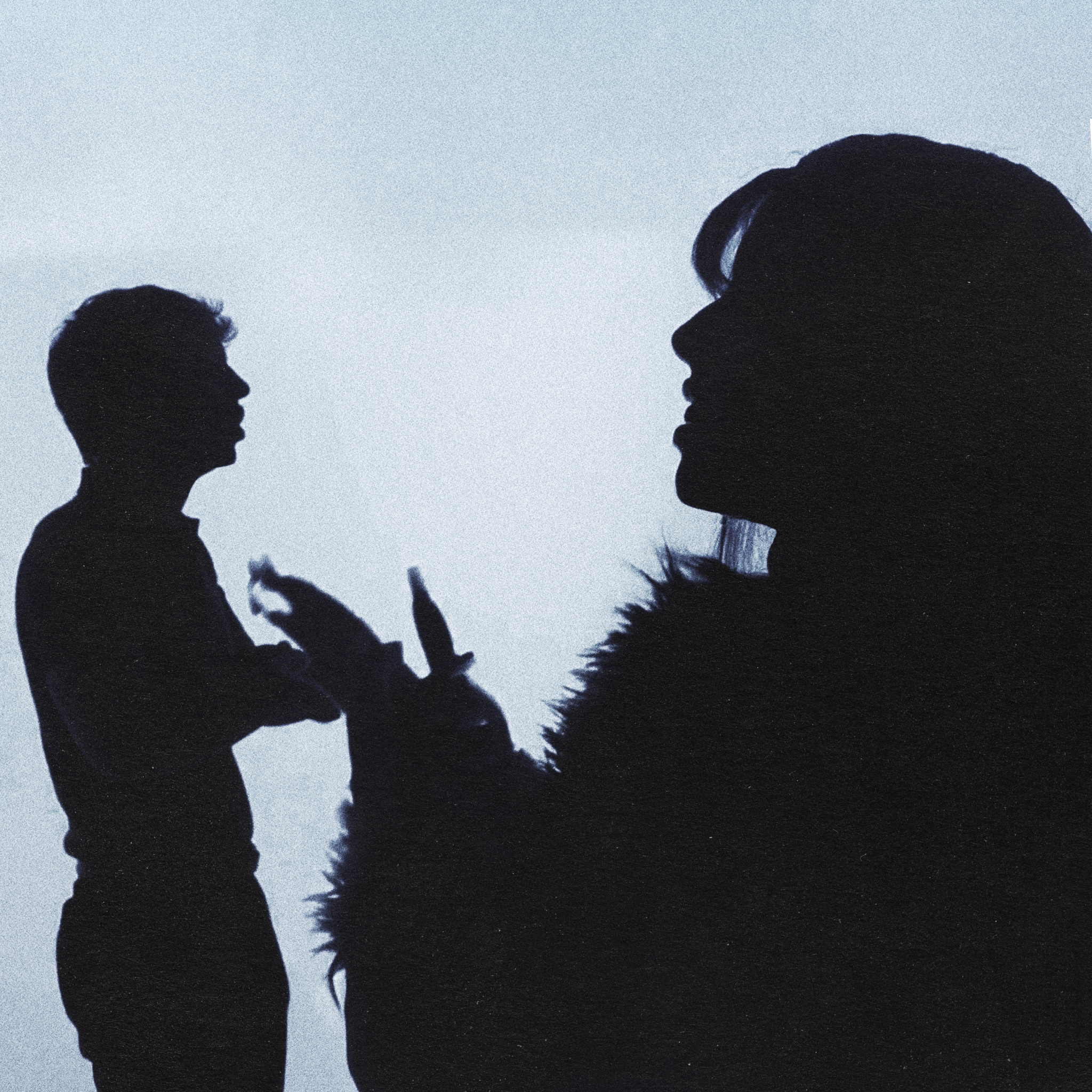
In a music industry where visibility and recognition do not always seem to be distributed equally, Kristina’s career opens up a debate that goes beyond music itself and draws attention to how female success is perceived. Her evolution, shaped by the development of her own identity, the reclamation of her image and an increasingly distinctive musical direction, stands in contrast to the impact that an apparently simple gesture, such as a post on X, can generate. When Quevedo states that “the best reggaeton artist in Spain wears heels”, he does more than bring an artist into the spotlight of the urban music scene: he raises a deeper question about the role male recognition plays in legitimising women within the industry. This moment invites us to examine how an artist’s public image is shaped, to what extent her career needs the backing of male figures to gain greater visibility, and why a woman’s talent sometimes seems to take on a different significance when it is acknowledged by a man.

This perspective is particularly relevant in a genre such as urban music, where women must not only build an artistic identity but also navigate perceptions that are often shaped by gender expectations. Quevedo’s post can be seen as a gesture of support and visibility, but it also highlights the symbolic weight that male recognition can still carry in an environment where women have constantly had to fight for their place. Presenting Kristina as “the best reggaeton artist in Spain” challenges a linguistic and cultural convention, reclaiming a title historically associated with male figures. However, the fact that this statement reaches such a massive audience through another artist’s account raises questions about the mechanisms that shape public relevance. Is Kristina’s visibility the result of a career that is finally receiving the attention it deserves, or does that attention intensify when she becomes associated with an established figure? These two possibilities are not mutually exclusive, but they do invite us to question the extent to which female talent is communicated, interpreted and validated through relationships that the industry and audiences consider significant.
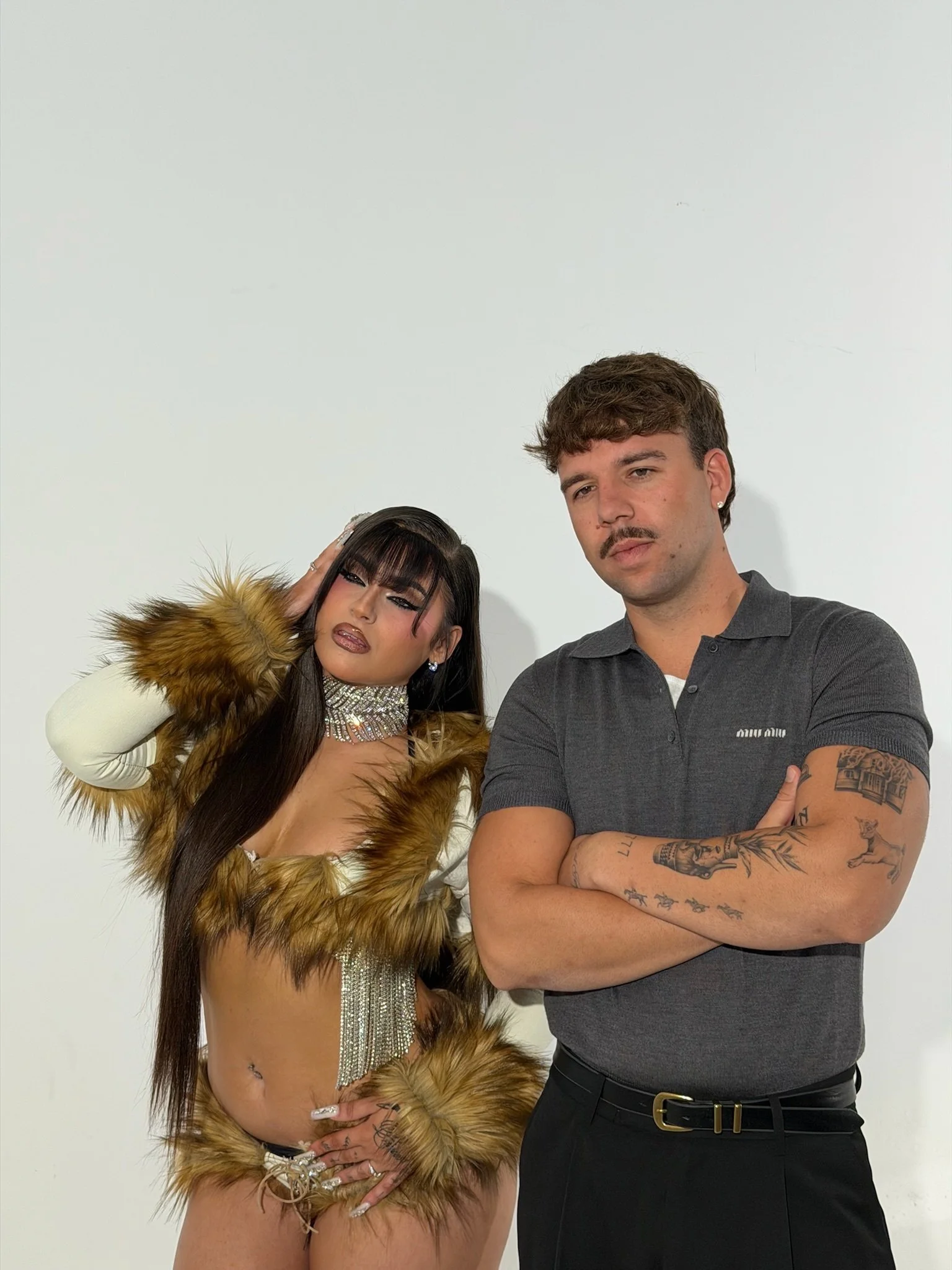
Ultimately, the impact of this post should not overshadow the journey Kristina has taken to get here. Her artistic evolution, collaborations, streaming figures and the decisions that have shaped this new chapter all point to a career that did not begin with Quevedo’s recognition, even if his support has helped amplify it. Perhaps the point is not to question the collaboration itself or diminish a gesture of support, but rather to consider why certain forms of recognition carry such significance when they come from established male figures. If a single post can transform the conversation surrounding an artist within a matter of hours, it is also worth asking which narratives, platforms and relationships shape the way her success is perceived. Kristina does not need a man to crown her queen in order to claim that place, but the impact of that recognition reveals something about an industry and an audience that still seem to place particular importance on who acknowledges a woman, rather than solely on what she has built herself.
For now, let’s press play on “SOY MEJOR 2.0” and enjoy this iconic collaboration while we await the release of “IKONA”, the artist’s debut album.
Words by @alraco43