
5 MINUTOS MÁS BY JAVIER RUIZ CALDERA (SSIF’26): A COMEDY ABOUT BEING TRAPPED IN THE MOMENT
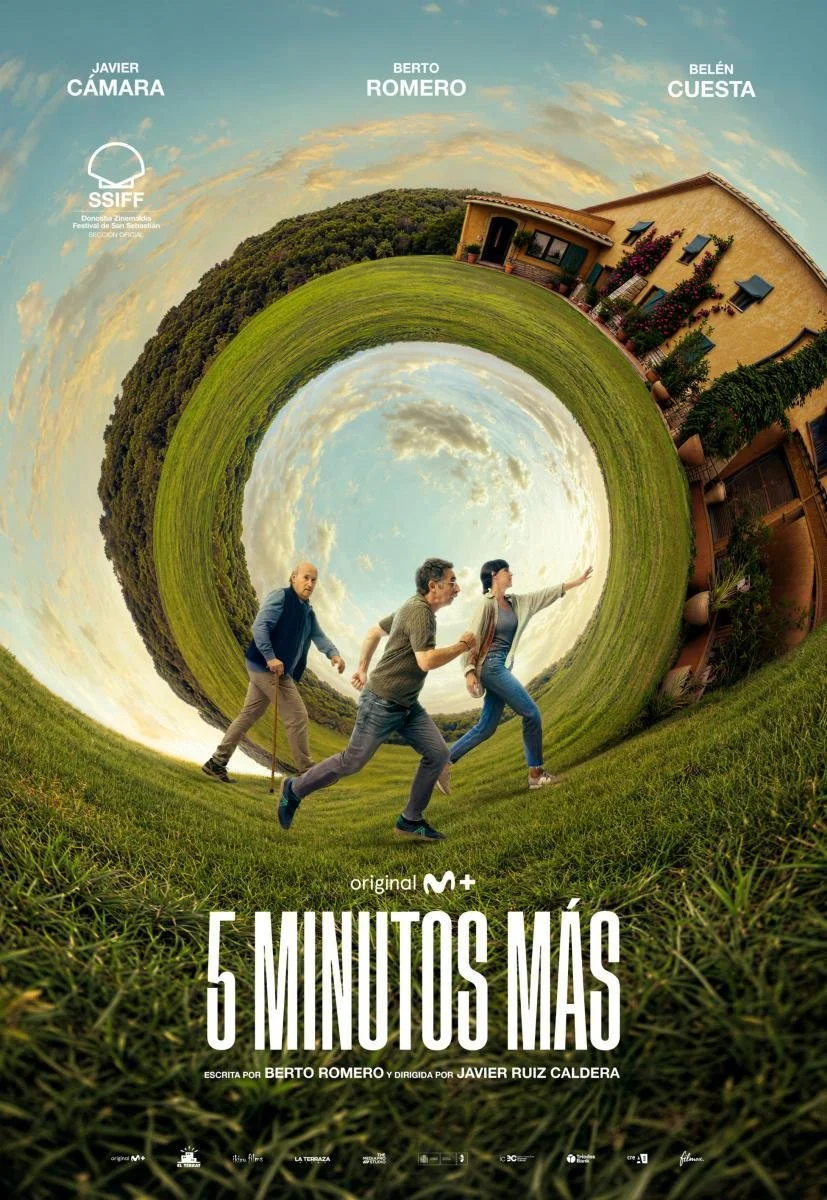
Time is usually understood as the one thing human beings cannot negotiate with. We can postpone a conversation, replay a memory, or wish we had acted differently, but we cannot physically return to the moment before a mistake. ‘5 minutos más’ takes precisely this human impossibility and turns it into its greatest cinematic weapon: what if the world itself gave us another five minutes?
Directed by Javier Ruiz Caldera and written by Berto Romero, ‘5 minutos más’ begins almost deceptively simply. Antonio and Bárbara, a married couple whose relationship is already suffering from tension and disconnection, escape to an isolated rural house hoping that distance from everyday life might allow them to reconnect. Instead, the opposite happens. Before they can even settle into their weekend, something impossible occurs: time suddenly goes backwards five minutes, trapping everyone inside a repeating cycle. The couple's attempt to escape their problems therefore becomes a much larger struggle to understand a world that can no longer move forward.
What makes the premise particularly interesting is that the loop is not simply a science-fiction device. It becomes a metaphor for the way contemporary life can feel increasingly repetitive: the same arguments, the same screens, the same mistakes, the same need to immediately react to everything. The phenomenon affects everyone, and the film uses phones and digital communication to show how quickly an apparently isolated event becomes a collective crisis. Suddenly, something that nobody understands is being experienced, recorded and shared simultaneously. The world cannot stop looking at the screen long enough to understand what is happening.
Yet ‘5 minutos más’ never allows its ideas to become heavier than its comedy. This is perhaps its most unexpected achievement. Berto Romero's script constantly moves between genuinely dark situations and absurd humour, refusing to become the predictable romantic comedy that its premise might initially suggest. Death, anger, violence, pessimism about the future and the collapse of a relationship coexist with moments that are impossible not to laugh at. It is not a family comedy disguised as science fiction, nor a relationship drama disguised as a comedy. It deliberately refuses to belong to only one genre.
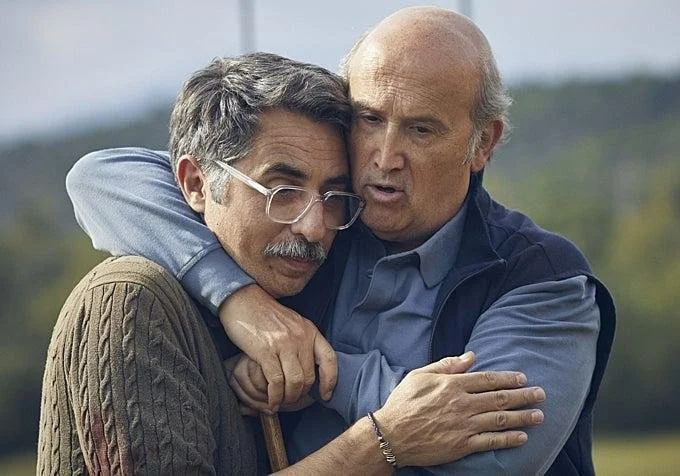
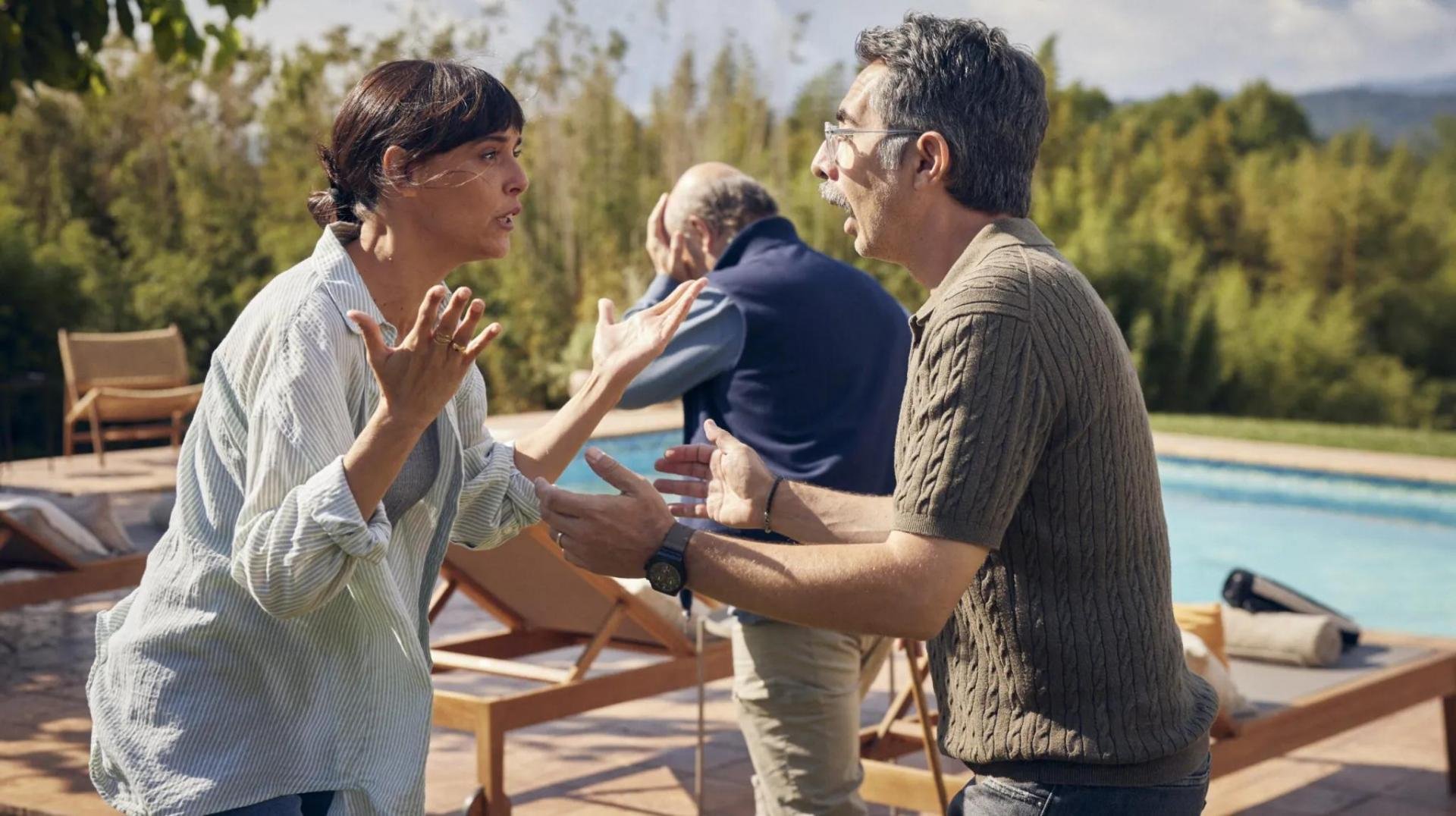
The film's most impressive achievement, however, may be invisible to the audience: its five-minute sequences. Each loop had to function as an almost perfectly choreographed cinematic mechanism, with scenes lasting precisely the amount of time represented on screen. Every movement, entrance, reaction and interaction had to be coordinated so that the same world could convincingly exist again and again. Even something as uncontrollable as natural daylight became a problem, because repeating a scene could not mean simply repeating the actors' performances; the entire physical environment had to remain coherent. The result is a filmmaking challenge that makes the film's apparent chaos feel remarkably controlled.
And this is where the performances become essential. Berto Romero and Belén Cuesta give the central relationship enough emotional instability to make us believe that the loop is not only happening around them, but also inside their marriage. Javier Cámara, as Carlos, the Airbnb manager, is particularly memorable, bringing a chaotic comic energy to a character who could easily have become a conventional supporting role. His performance captures one of the film's greatest contradictions: even when everything becomes catastrophic, people remain ridiculously, recognisably human.
The film also places the spectator in an uncomfortable ethical position. As the loops repeat and the characters begin making increasingly extreme decisions, we inevitably start asking ourselves what we would do with five extra minutes. Would we correct a mistake? Save someone? Take revenge? Do something selfish because we know the consequences will disappear? The film transforms its audience into participants. We watch these decisions with the adrenaline of an action film, but we are also laughing at them, creating a strange emotional contradiction where comedy makes the danger even more disturbing.
Ultimately, ‘5 minutos más’ is less interested in explaining why time is broken than in asking what happens when human beings are given the opportunity to break their own patterns. Its catastrophe is external, but its real conflict is intimate. Antonio and Bárbara do not simply need to escape the loop; they need to escape the version of themselves that keeps repeating it.
And perhaps that is why the ending feels unexpectedly sweet. After all the destruction, absurdity and darkness, the film returns to something remarkably simple: two people finding their way back to each other. In a world where everyone is desperately trying to go back five minutes, ‘5 Minutos más’ suggests that sometimes what we actually need is not more time, but the courage to use the time we already have differently.
Words by @alejandracaas