
GATTI SPEAKS ABOUT “POPSTAR” AT RIVERLAND FEST 2026
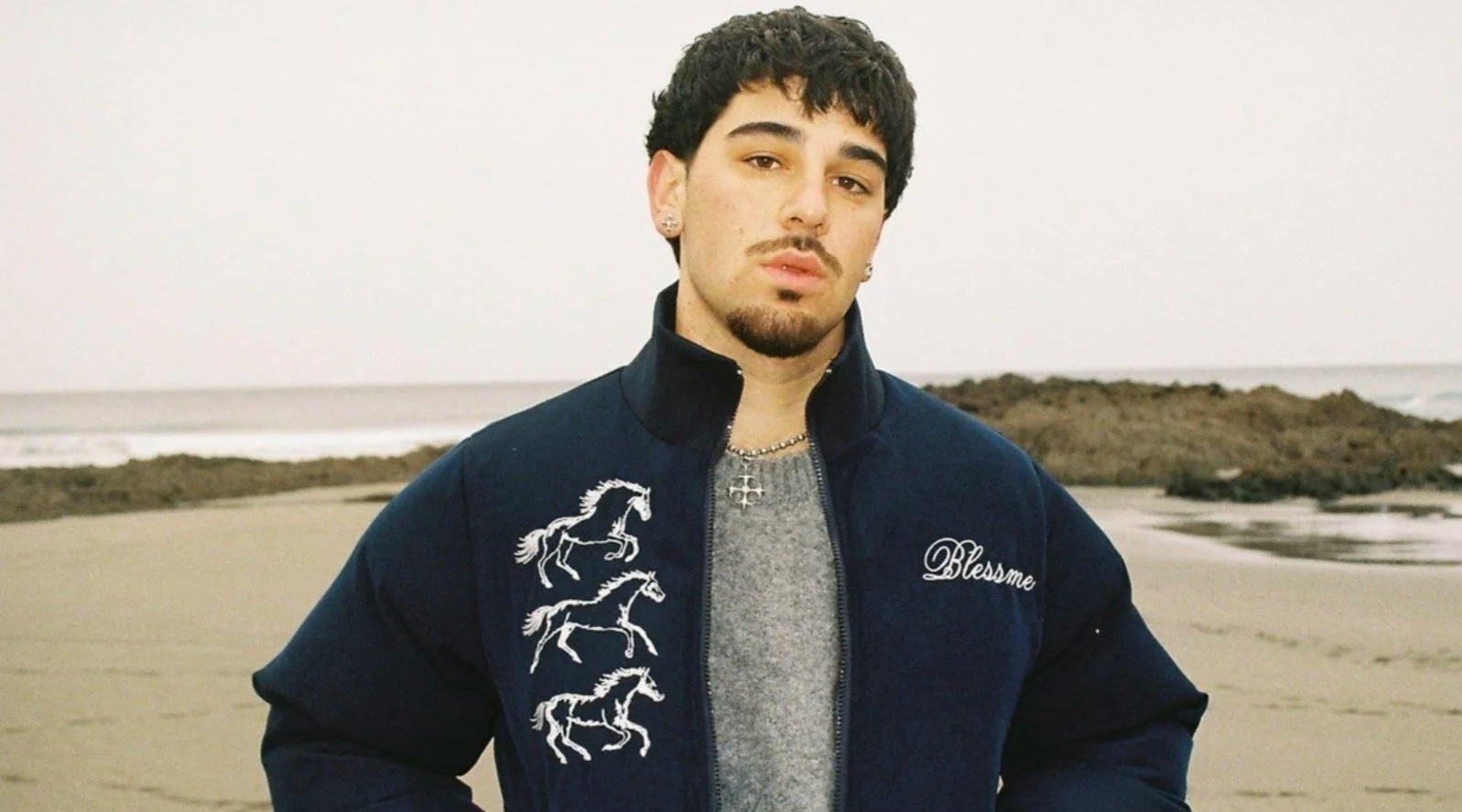
Dying of good-natured envy at not seeing Fanta Rosario, we were backstage embarking on an interview that clarify her stature in the industry. For Gatti, becoming a popstar has less to do with fame than with freedom. On Popstar, the emerging artist turns that idea into a creative principle, moving restlessly between distorted trap, ambient textures and more intimate songwriting without feeling the need to settle into a single genre. That refusal to be boxed in also shapes the way he approaches sexuality, desire, collaboration and his still-evolving place within the music industry.
Gatti reflects on pushing past personal boundaries, his complicated relationship with visibility and social media, and the producer partnerships that have helped define his sound. As he begins to think about his first full-length album, there is no grand formula yet, and perhaps that is precisely the point. For now, Gatti is interested in following instinct, embracing contradiction and figuring out what being a popstar can mean on his own terms.
Álvaro Ramos: First of all, what does being a popstar mean to you?
Gatti: To me, being a popstar means doing whatever the hell you want. So, I think that was the idea behind Popstar: doing whatever I felt like doing. I did exactly what I wanted on Popstar; I stepped out of my comfort zone. In the end, I have songs like "Niego", the opening track, which is a really hard-hitting trap song with heavy distortion. And then there’s the final track, "Horas y horas," for instance, which features guitar, drums, and vocals pushed way into the background, almost ambient, and it has nothing to do with the first track. So, I did whatever I wanted, experimented, and just followed my own path.
ÁR: Following up on your mention of "Horas y horas," I wanted to ask about your concept of time. How do you handle being an artist while managing different timelines, your personal life, your career, and so on?
G: Just like everyone else. I don’t think being an artist changes my perception of time. Ultimately, all I can say is that, thank God, I have a lot more free time now to do what I enjoy. That might make time fly, but it’s because I’m doing what I love, not because I’m an artist or anything like that, but simply because I’m doing what I’m really into.
ÁR: I’d like you to talk about desire versus love, a central theme in "Niego." What is that battle within the song like?
G: It’s simple. Sometimes there’s a bit of confusion when you’re with someone you desire, and you mistake that for love. That’s what I talk about in the song: "At night, I want to stroke your hair, pull your hair", getting a bit dirty with it, you know? So, that’s basically what "Niego" is about.
ÁR: And speaking of that raunchier side of things, could you talk about what it’s like to express your sexuality in your songs? So, how did you take that step? Do you feel it’s always been this way?
G: No, I had to push myself, because it was truly what I wanted to say. The thing is, my mom is my number one fan. So, there were things I felt really embarrassed to say, and I had to break through that barrier a bit. But once I broke that barrier, I felt free to say whatever I wanted, whatever I felt like saying. And if the topic is sexuality, I talk about it just as naturally as anything else, because ultimately, that’s one of the keys for the new generation: talking about anything without holding back.
ÁR: Totally. What are your peers in the genre like? Who do you feel has inspired you, who do you really click with?
G: Ugly, I feel like we make a great team. And as for who inspires me... well, everyone inspires me. I like to take a little something from each person, and I think that’s actually what everyone does. I don’t think anyone has something that is 100% their own; it’s always inspired by and transformed from other things. So, absolutely everything inspires me.
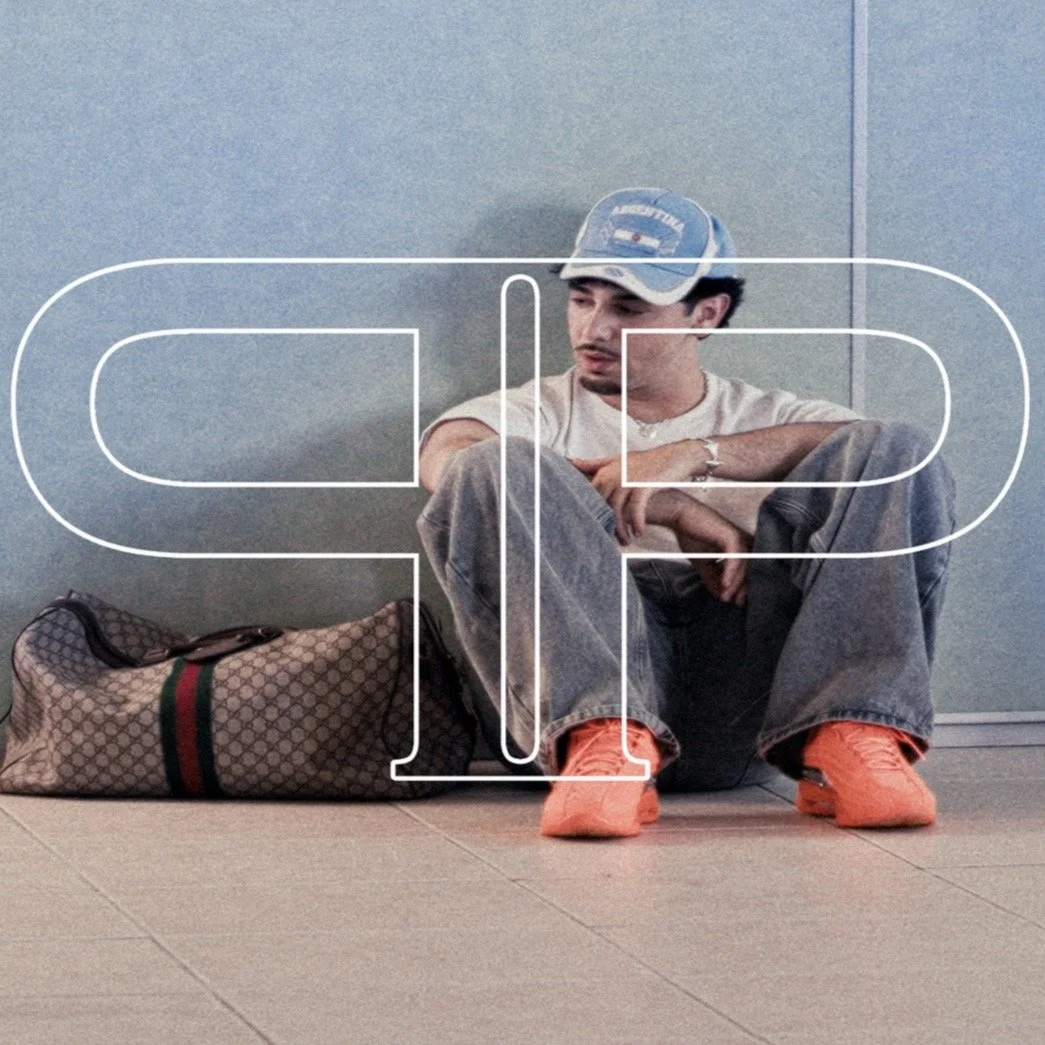
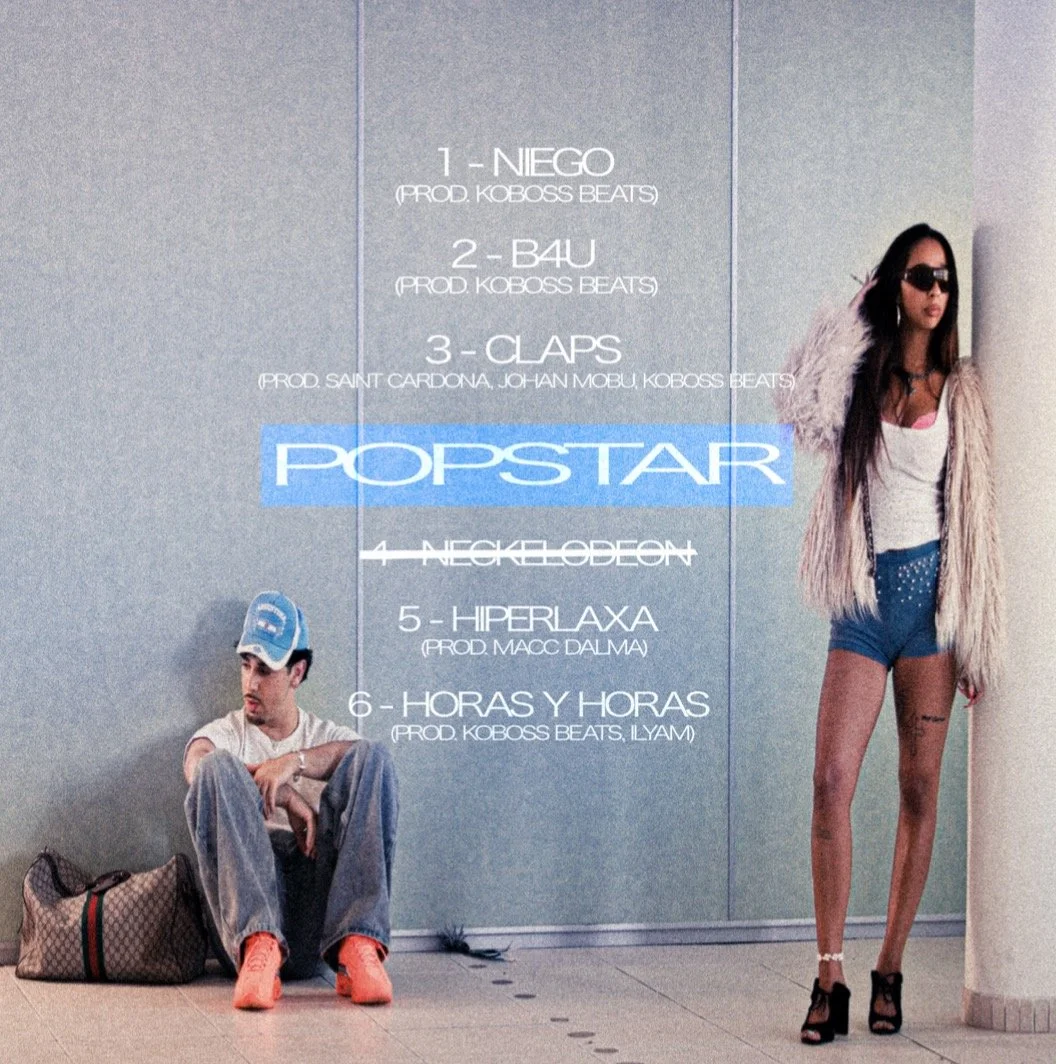
ÁR: I was talking to some people at the campsite, and they asked, "So, what are you going to do? How are you going to put together a more cohesive project when every single track, every project, has been so different from the last?" So, what do you think your first LP will be like?
G: Honestly, I don't know. I'm actually thinking about it right now. I've been on vacation for too long, and it's time to get to work, but we aren't quite sure which direction to take. I think I'll just do whatever I feel like, like I did with "Popstar." Ultimately, even though the genres vary, I think I've managed to find a signature sound, something that makes me instantly recognizable across all those different styles. So, I plan to keep doing that: making music that I enjoy and that’s fun for me.
ÁR: How do you see yourself within the music industry?
G: I see myself right at the bottom, just starting out. I know I have to work hard to prove I’m here to stay, to inspire people and show what I’m capable of.
ÁR: How do you think your show at Riverland will impact your growth in the industry?
G: I think it’s a really important milestone, actually. It adds a lot of credibility to the project, and we’re putting together a really cool show. I think it’ll give me that validation I feel I’m still missing a bit, both from the audience and the industry. I think what we’ve prepared is going to surprise people.
ÁR: Can you tell us a bit more about what you’ve prepared?
G: Sure. Basically, we’ve created specific intros for the songs, accompanied by visuals made by Los Galgos, my longtime team. We wanted to structure it so the concert feels like being at sea: the waves roll in, and suddenly the energy is sky-high, then we drop into a sad song before building it back up again... that kind of thing. We want to create a bit of emotional contrast on stage.
ÁR: "Making bank while staying a nobody." Do you feel the pressure that comes with fame?
G: Yeah. I don’t really like fame all that much. I’m not that familiar with it yet, I’m just starting out, but I feel like it’s not for me right now. I’m actually a pretty shy person, and I have to really push myself to socialize and all that. So, I don’t think I like it at the moment. Maybe a year from now I’ll tell you, "I feel super comfortable and everything’s great." But right now, maybe because these are my first interactions and such, it’s something I’m passionate about. I know it goes hand-in-hand with making music, and I actually really like putting a face to the people who’ve listened to my music; taking photos and all that is cool.
ÁR: You mention feeling uncomfortable, saying that "before this, making money from it was unthinkable." What exactly do you mean by that?
G: Well, it’s partly because I think I’m a bit of a masochist when it comes to writing; I have to go through certain uncomfortable situations that inspire me and give me songs, and that’s where the money comes from. That’s why I say making money from this was unthinkable. It’s not comfortable for anyone, nobody likes being in those kinds of situations, but they give me inspiration, and in the end, that’s what allows me to put out music.
ÁR: I love the way you, as a man, reflect on your presence on social media. How do you handle your social media in relation to your art? What do you want to post?
G: To be honest, I have a bit of a love-hate relationship with social media. My managers sometimes tell me, "Hey man, you need to post more stuff, you know?" but I feel like I don't need to right now. I think my music speaks for itself, so I don't need to be super active online. Obviously, a baseline presence is essential these days. You can't release music without posting anything because no one finds out about it; given the level of competition out there, you have to do the bare minimum, at least. But I feel like I’m in a sweet spot where I don't have to post so much or force it.
ÁR: What would you say to your younger self?
G: That’s a great question. To enjoy it all. There’s nothing better than being a kid, really. I was so eager to grow up, and now I’d love to be a kid again. So, I’d tell him to enjoy it. I don’t think he’d listen to me, I know myself, but I’d say it anyway.
ÁR: Do you think he’d be a groupie for your music?
G: Yeah, I think so. He’d really dig it.
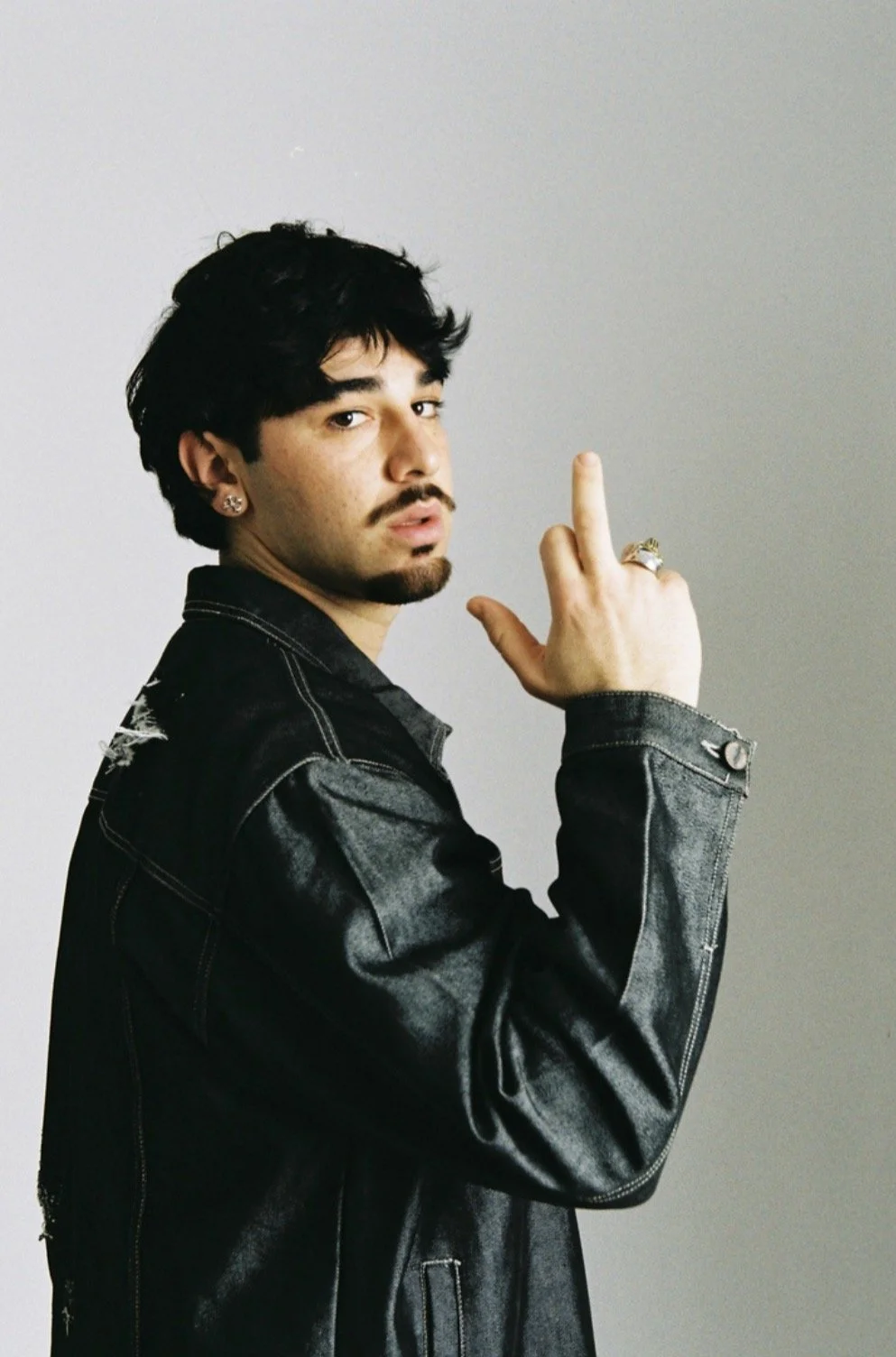
ÁR: Where does "Hiperlaxa" come from? It’s a very specific term. How did you arrive at that concept?
G: "Hiperlaxa" refers to someone who is hyper-flexible, someone who can bend a lot. A lot of people think it’s sexual, but that’s not it. It’s about bending in the sense of—like how Puerto Ricans say "Te me has doblado" [You’ve bent on me], meaning "you’ve let me down." It’s like, I thought you wouldn't bend, but it turns out: "Hiperlaxa, you let me down, you bent way too much." It’s more about that.
ÁR: Got it. People at the campsite have been asking me, "Who is the female voice on 'Con Nadie//VVS'?"
G: Her name is Carla Quesada. She’s a friend of mine with incredible talent. I’m trying to push her to start writing because she really needs to make the most of that voice of hers. She’s a friend, a friend from the very beginning, back when I first started making music. I loved playing guitar and doing covers, and that’s how I met her. When I heard her sing, I was blown away. So, I asked her for a huge favor: to sing on "Con Nadie//VVS." She came to the studio, recorded it without a hitch, and I’m really looking forward to seeing her grow as an artist.
ÁR: How does "Popstar" differ from your previous work?
G: I think the first one, "444," was a project where I was completely outside the industry. The music was 100% genuine; I hadn't really overthought the genres I wanted to explore. I just did what I felt like doing, simple as that. But "Popstar" forced me out of my comfort zone so I wouldn't just repeat "444." I did what I wanted, but more than anything, I made the kind of music I liked listening to. That’s why I say I did what I wanted on "Popstar," but really, it was more about what I wanted to hear, you know? I pushed myself a lot harder and had to step out of my comfort zone, working intensely with Koboss Beats, my producer. He had to make something like 80,000 beats just to find one where I felt truly comfortable. So, I’d say that’s the main difference between the two.
ÁR: Do you feel the producer-artist partnership is the most important thing?
G: The most important thing. Without a doubt. When you find a producer who pours themselves into your project, like Koboss Beats and Ilyam have done with mine, it makes a huge difference. Honestly, it completely transforms your career. ÁR: Do you feel you’re fully leveraging fashion in your work, or do you think there’s still room to improve that aspect of your aesthetic?
G: No, I can improve a huge amount, so much. I’d say that’s actually one of the areas where I need to improve the most right now.
ÁR: What would you say to people who are just starting out, the ones who might be wondering if they should get involved in this whole system?
G: Just do it. I mean, being an artist is a blessing. Whether you make money or not, if you love it, do it. Give it a shot, get your friends to listen to it and share it, and that’s it.
Questions by @alraco43