
KATTEYES: AN IN-DEPTH INTERVIEW
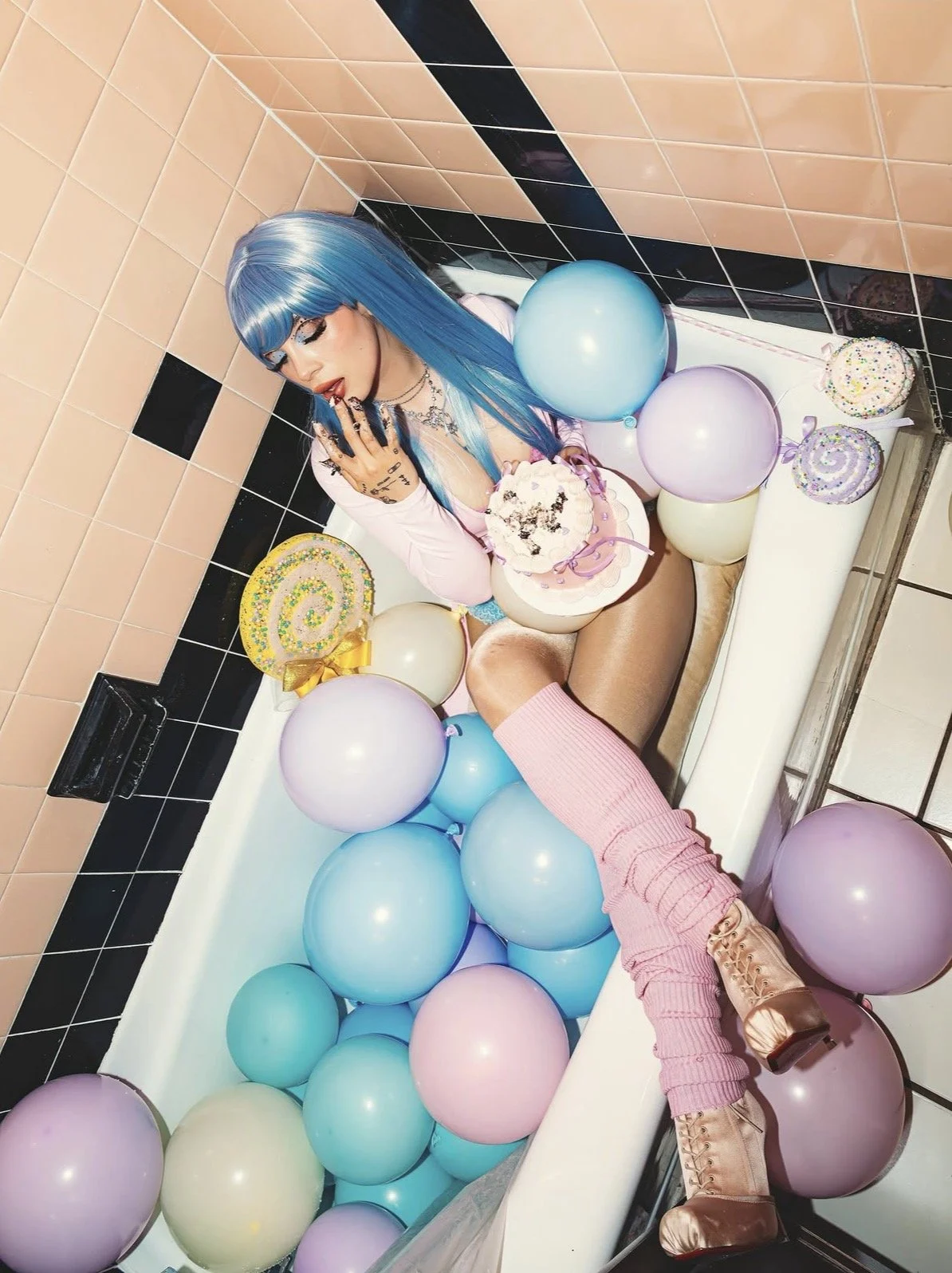
In just a few years, Katteyes has transformed from one of Chile’s most recognizable digital creators into one of the most compelling new voices in Latin urban music. Born Fernanda Villalobos, the artist has built a career defined by resilience, reinvention, and determination, turning personal struggles and public scrutiny into the foundation of an empowering musical identity. Through reggaeton-infused anthems that celebrate confidence, self-worth, and female empowerment, Katteyes has emerged as a representative of a new generation of Chilean artists determined to make their mark both at home and on the global stage.
Following the release of her debut album Deseo, Katteyes sits down with Álvaro Ramos to discuss her journey from influencer to musician, the challenges of overcoming industry prejudices, and her commitment to representing Chile through her music. The conversation explores the inspirations behind her sound and aesthetic, her relationship with fashion and beauty, the significance of collaboration in a male-dominated industry, and the dreams that continue to drive her career forward. Honest, ambitious, and unapologetically herself, Katteyes reflects on the experience.
Álvaro Ramos: For those who don't know you yet, who is Katteyes?
Katteyes: My stage name is Katteyes, and my real name is Fernanda Villalobos. Katteyes was born from my alter ego. Before, I was a content creator and had a different name, but a lot happened to me when I was younger. I experienced a lot, I was humiliated and discredited a lot. Until I found music. Katteyes is like that empowered woman I became after everything that happened. She's a different person, and that's what my music represents: female empowerment, self-esteem, feeling 100% confident in yourself. For me, Katteyes is the woman I've become after all these years, after experiencing so much at such a young age and being exposed on social media since I was 16.
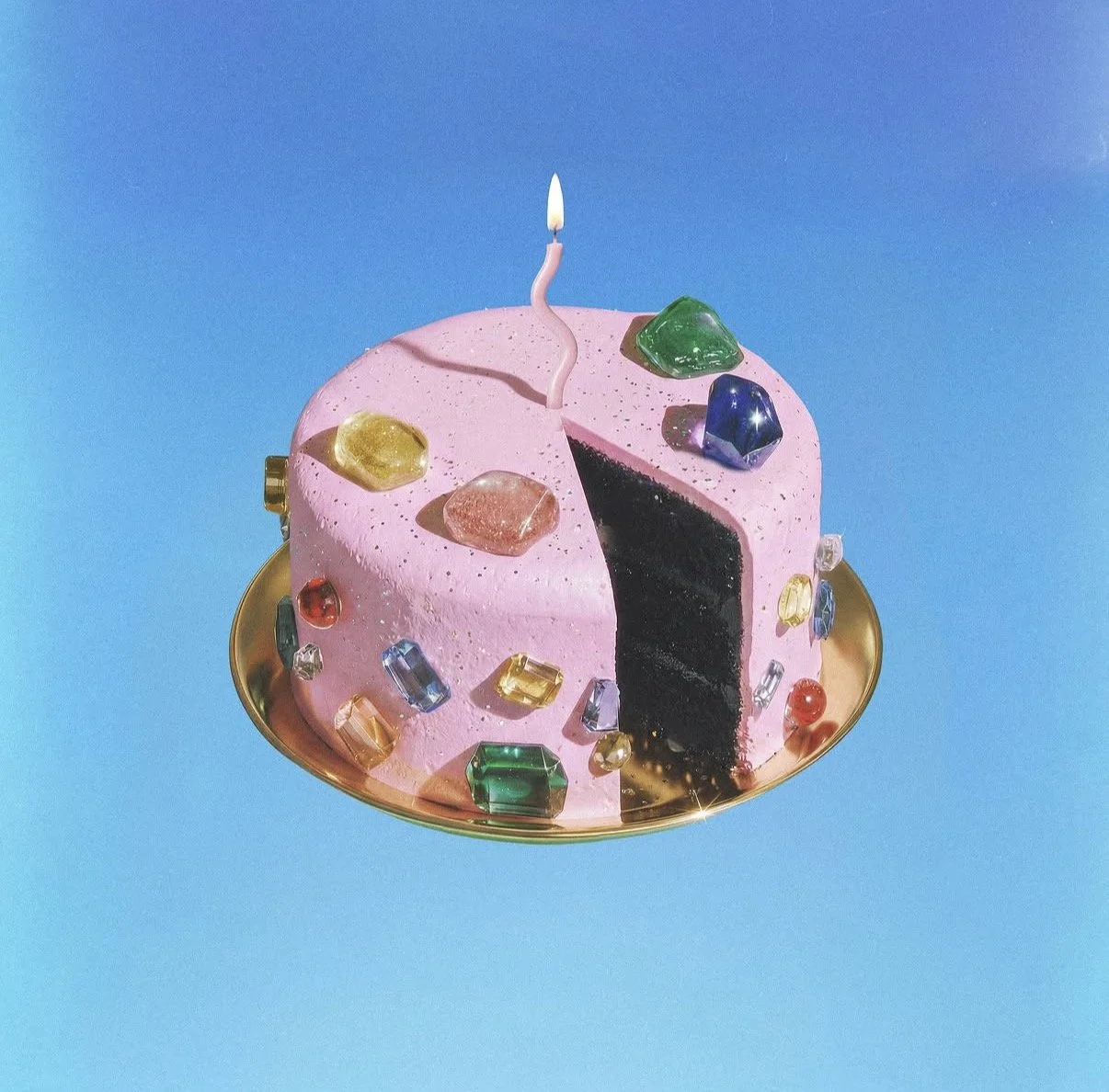
AR: Let's talk about your latest album. It's a project that perfectly captures reggaeton and what Latin urban music means in 2026. How do you feel this project contributes to the industry?
K: Since I started making music in 2022, I always wanted my sound to be distinctly Chilean and to represent where I come from. One of my goals and missions is to earn the respect of my country and for them to be proud that I'm representing Chile, both within the country and abroad. This album is full of reggaeton. It's meant to help people break free from monotony or depression. If you're feeling down, sometimes it's cool to clear your mind, go out and dance, listen to fun music, and music that takes you away from those sad moments in your daily life.
AR: How did the collaborations on the album come about? Was it something closely connected to your country and your scene?
K: Yes. In the beginning, when I started, it was very difficult to get opportunities. Many artists turned me down and shut me out because, to them, I was just an influencer who wanted to make music. But when they saw that I gradually started taking this seriously, that I worked incredibly hard, and that I'm a very dedicated woman, I began to earn the respect of Chilean artists. Little by little, they reached out to me, and that's how all my collaborations came about. It was all based on effort, dedication, and perseverance, so that people would take me seriously and respect me, including those in the industry.
AR: Do you feel you've had to break down prejudices? Because of your aesthetic, because you're a woman, because you come from social media, and because you're so hyper-feminine.
K: Yes. I've always felt that, because I'm a woman, it's a little harder to be taken seriously. They're very used to men collaborating with men. At least in Chile, that's very common. When I started getting into music, I received a lot of comments and criticism. They discredited me, devalued me, and minimized what I wanted to do. But little by little, they started taking me seriously, and honestly, it's been incredible. I want to open up a space for women in the Chilean urban music industry. I've been collaborating with many women, like María Becerra, Lali, and Cachirula. For me, they're incredible women, and it's really cool to be able to collaborate with women who are just as hardworking.
AR: Now that reggaeton is back, do you feel like you've joined the trend or that you were already part of it?
K: I grew up listening to reggaeton. I was never that drawn to pop or other styles of music. I've always been more into urban music. When I was younger, I wore super oversized hoodies. I really liked that urban style. I come from a working-class neighborhood in Chile, a district called Conchalí. Even though many people say that everything was handed to me or that everything was easy, I come from a humble, working-class neighborhood and family. I wasn't born with any privileges, and nothing was given to me. I created my own privileges. My style comes from my roots, from coming from a working-class neighborhood. I'm not trying to appropriate any aesthetic or the music I sing, because it's truly what represents me and where I come from.
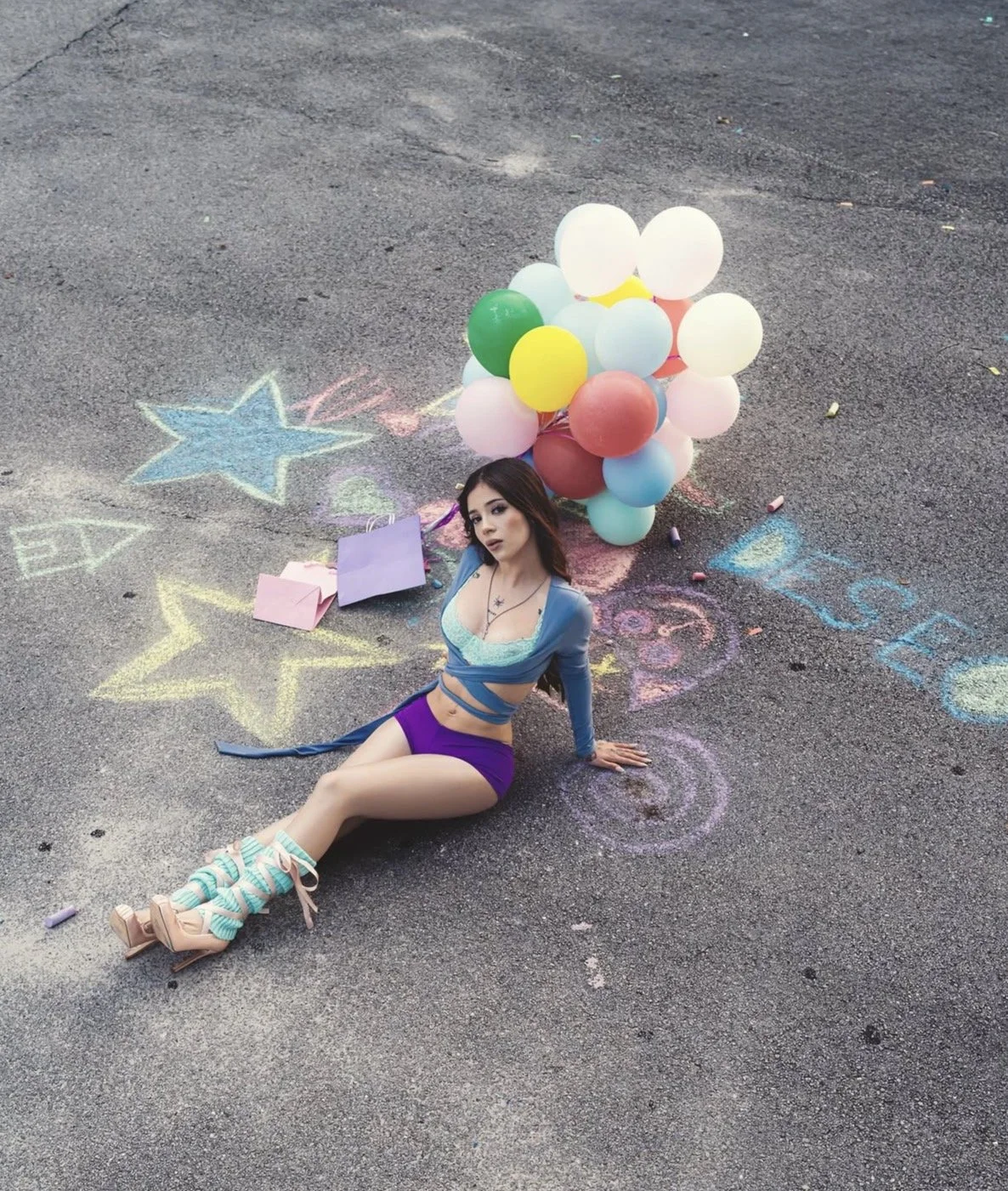
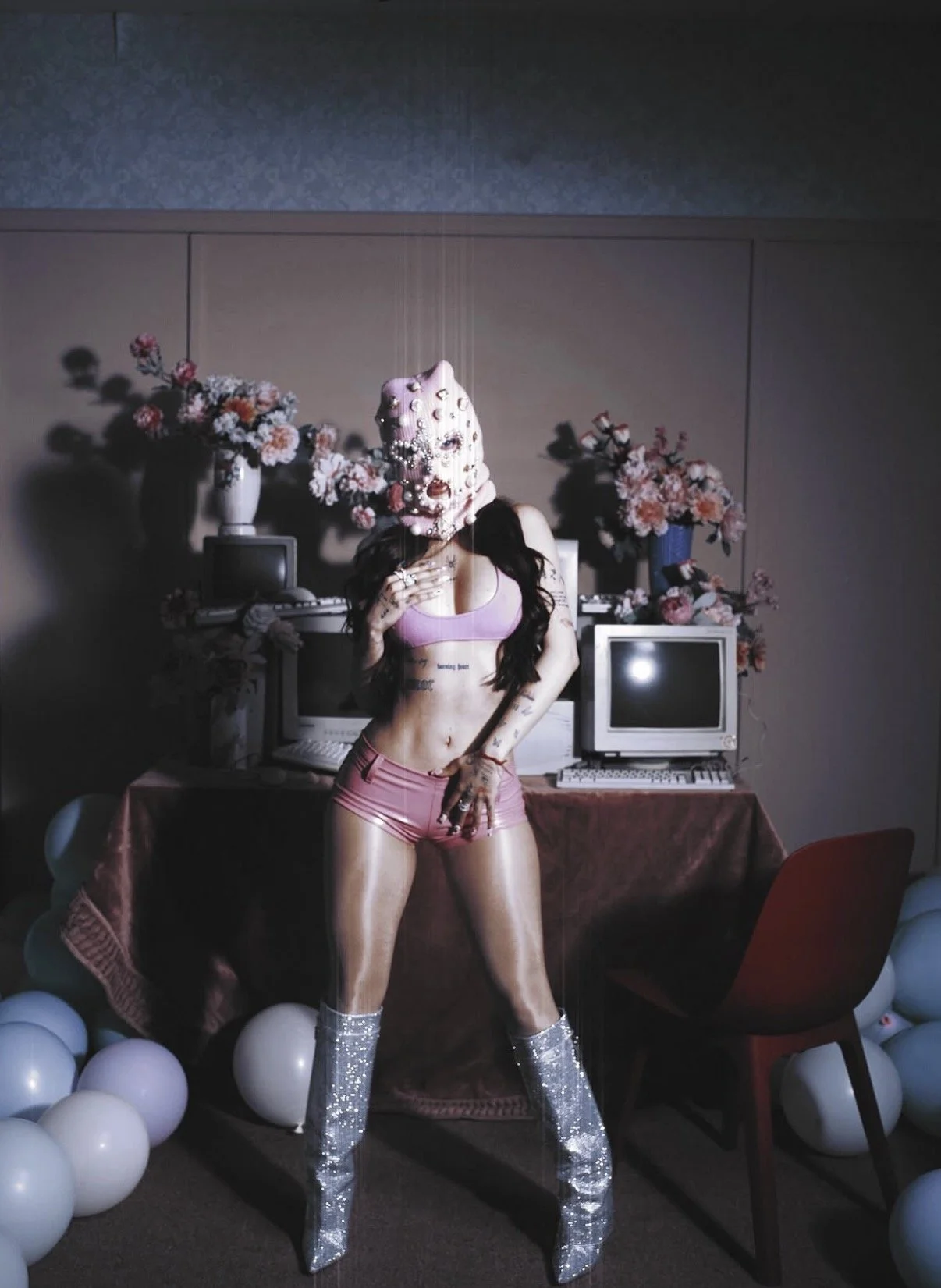
AR: Speaking of aesthetics, what's your relationship with fashion?
K: My relationship with fashion has changed quite a bit. I'm very changeable, and it depends a lot on where I am and how I feel. But I always try to incorporate something of my own style into what I wear. There are days when I just want to wear jeans and a t-shirt, and other days when I want to wear a dress. Little by little, as I grew up, I became more feminine, but I love urban fashion, streetwear, and also Y2K fashion. Ripped jeans, for example, I was already wearing them when I was 14. There are some things about your style that you'll never be able to let go of.
AR: Your makeup has a very YouTube core vibe, very much from that era of James Charles, Jeffree Star, and the 2016 movement. Where does that influence come from?
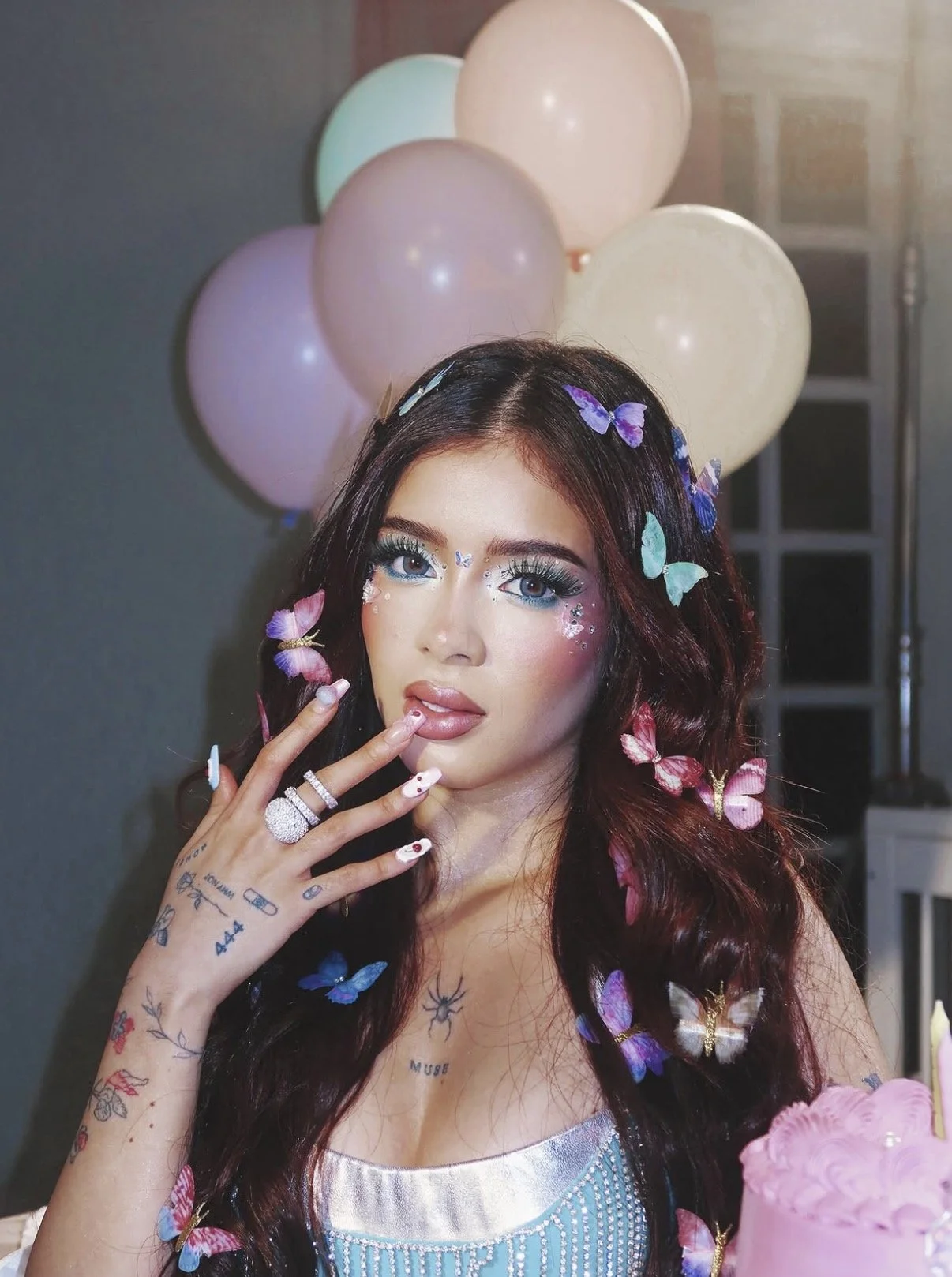
K: Yes, literally. I was very inspired by the celebrities who made those typical YouTube videos, and I got a lot of tips from them when I was little. I've always liked doing my own makeup. I was also very drawn to Japanese makeup. For the last three years, every time my birthday comes around, I go to Japan and I've bought a lot of makeup there. I really like how my face looks with Japanese makeup, and I think that's what represents me right now. Not as cultural appropriation or anything, I just really like that kind of makeup.
AR: Do you feel that makeup isn't a mask, but rather a performance?
K: Lately, in interviews and other places, I'm trying to go without makeup, because people started seeing me with so much makeup that when I'm without it, they say, "Are you sick?", "What happened to you?", "Did someone do something to you?" I'm trying to show myself more without makeup so they're not surprised and so it doesn't become an obligation to wear makeup. I don't want society or people to force me to wear makeup all the time. It's my decision, it's my body, it's my makeup, and it's what I want to do with my life. I don't want it to get to the point where they have more say over me. I decide if I want to wear makeup or not. The value has to be the same. It doesn't matter if I'm wearing two kilos of makeup, expensive clothes, or if I want to be in pajamas. I have to have the same value whether I'm wearing makeup and a nice dress or not, and in comfortable clothes.
AR: Speaking of your first album, why “Deseo” (Desire)? Where did that title come from?
K: “Deseo” comes from the fact that, since I was little, I’ve always been a dreamer. I lived in a small town, my parents worked all day, and I was always home alone. From a very young age, I would tell my parents, “Please, help me. I want to be a singer, I want to dance, I want to sing.” But they didn’t have the financial means to take me to auditions, get me on TV shows, or nurture the talent I wanted to bring to light. So, little by little, I had to create my own opportunities. Now I feel like all those dreams have come true because I was able to create the opportunities myself and have the financial means to unleash my true potential. “Deseo” comes from Fernanda Villalobos, from when she was 16, when she dreamed a lot about being a singer, about experiencing everything she’s experiencing now, and about having the collaborations she has. For me, music has always been a dream. I would like to be able to tell all those children who also come from humble beginnings, who come from low-income backgrounds, that they too can rise above those circumstances and that their dreams can be fulfilled if they have perseverance, goals, consistency, and are hardworking in pursuing what they want to do with their lives.
AR: What was it like signing with Rimas, and what changed in your career? Was it an affirmation that you were doing well?
K: At first, I started out independent. I didn't release any music throughout 2024 because I had signed a contract with other people who didn't really understand the industry. I had to learn on my own what to do, what not to do, what I should and shouldn't sign. I managed to get out of that contract in 2024, and throughout 2025, I was independent, working only with my team. Thank God, my team was a blessing in my life because I had been working since I was very young with people who didn't take me seriously, who didn't care about me, and who didn't have the vision of what I could achieve. Then I met Rimas, and it was incredible. My team and I were doing what we could with what we had, giving it our all. I feel like Rimas came in to organize everything a bit more, to support us, and to give us a kind of double team to solidify the work 100%.
AR: Do you and Sinaka feel like you're part of the new Chilean music industry?
K: I feel like the industry is very changeable in Chile. You can be on top, then at the bottom, then other artists can come along, and it's constantly like that. For me, those who truly represent the Chilean music industry are Pablo Chill-E, Paloma Mami, and Mon Laferte. For me, Mon Laferte is the mother of all mothers. She's the one who has done the most to give Chile a voice abroad and who has done the most to internationalize Chilean music, even though it's a different style. We, Sinaka and I, are from the new generation. We're doing things, trying to support each other. It's really great that the industry is coming together to put Chile on the map.
AR: Speaking of influences, both musical and aesthetic, who are yours?
K: Aesthetically, I love K-pop. I'm a huge fan. I love Lisa and Jennie. Lately, I've also been a big fan of what they did with the girls from Dream Academy. There's a girl I really like, Adela, and I love what she's showing aesthetically. Musically speaking, I'm very inspired by all the old-school reggaeton: Héctor el Father, Tito El Bambino, Tony Dize, Yandel, Don Omar, RKM & Ken-Y… All the old-school reggaeton is what has inspired me musically.
AR: Sometimes there's a lot of talk about going back to our roots or to folklore, but in your case, your roots are also reggaeton.
K: Yes. In Chile, many people ask me, "I don't understand why she does reggaeton if she's just an influencer." And I think, "What else do they want me to do?" No one ever showed me pop music. I grew up listening to the music my older brothers listened to. One is 38 now and the other is 32. When I was 12, all they ever played was reggaeton. I can't pretend to be something I'm not. What I truly represent is reggaeton.
AR: When male artists release albums full of male collaborations, it's seen as normal. But when a woman collaborates with men, her work is often minimized. How do you experience this?
K: Regardless of the artist, most men do a lot of collaborations, and that's very normalized. We can all collaborate to strengthen ourselves as a team. I feel like collaborating is really great. When I collaborated with Sinaka, Kidd Voodoo, or Jere Klein, it was wonderful to see two powerhouses supporting each other to create something bigger. But I was heavily criticized when I released my album. People said that my success and everything I'm doing is thanks to the men I collaborate with. I think it's unfair that everyone can show off their tracklists and have lots of collaborations, but when a woman collaborates, she's undervalued and minimized because of the men. Men also collaborate with each other, and nobody discredits or minimizes them. But women are definitely minimized for collaborating with men.
AR: If someone wants to become a fan of your music project, what songs would you recommend to introduce them to your world?
K: I feel like the first Katteyes song they should listen to is "Aló" with Sinaka. Then they should listen to "Ponte Loquita" with Kid Boo and "Lonely" with María Becerra. Those three songs really represent me because they're like the three styles of reggaeton I love to make. The song with María and the one with Kid Boo are more reggaeton pop, and the one with Sinaka is super old-school reggaeton, which I also love. Then, to hear songs of my own, you'd have to listen to "Ven Acá," "Ponte Ponte," and "Trail." Those three songs also really represent who I am. The whole album has that same vibe, so I think you're going to like it.
Questions by @alraco43