
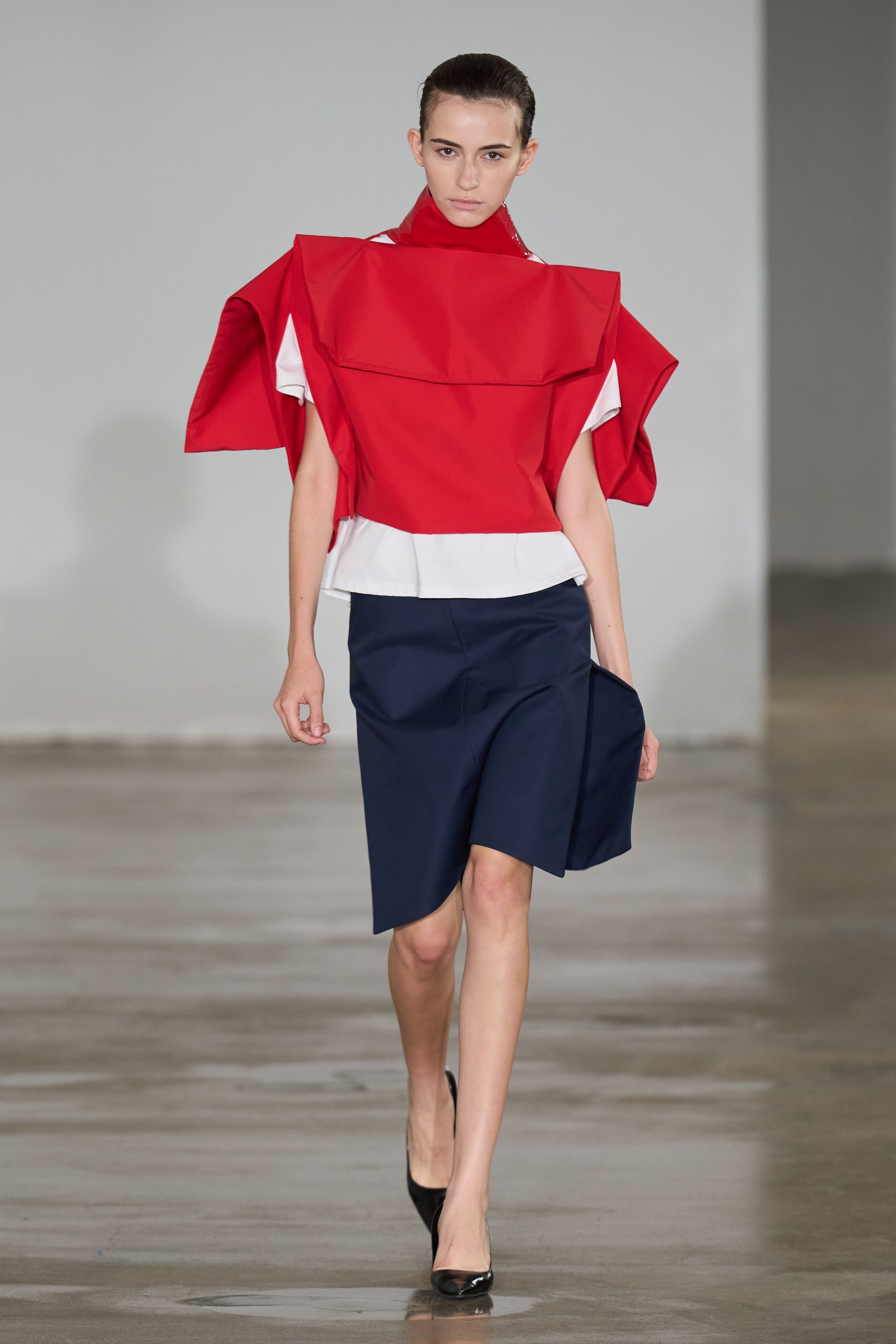
Fashion is full of designers claiming to reinvent the wheel. Zane Li would rather dismantle it. Born in Chongqing, China, and trained at New York’s Fashion Institute of Technology, the 25-year-old designer behind LII has developed a visual language that exists somewhere between ’90s minimalism, architectural experimentation and the sculptural sophistication of mid-century couture. His approach is deceptively simple: take the familiar, distort its proportions, question its function and turn it into something unexpectedly desirable. T-shirts become geometric sculptures, everyday sportswear acquires an almost futuristic elegance, and silhouettes challenge the relationship between fabric and the human body. There is something beautifully unsettling about his clothes. They feel familiar until, suddenly, they don’t.
Founded in 2023 following a stint at Proenza Schouler, LII has quickly moved from emerging independent label to one of New York fashion’s most compelling new voices. With admirers including Greta Lee and Ayo Edebiri, and the 2026 LVMH Prize’s Karl Lagerfeld Award now under his belt, Li has attracted the industry’s attention without sacrificing the experimental instincts that made his work stand out in the first place. His fascination with cinema, modern art and the tension between functionality and fantasy gives his collections a distinct identity, one that refuses to choose between intellectual design and clothes people actually want to wear. And as LII returns to the runway for Spring/Summer 2027, the question is no longer whether Zane Li is a designer to watch, but just how far he intends to push the boundaries of contemporary dressing.
Can we miss something we never knew? It is a deceptively simple question, and the starting point for LII’s latest collection. Rather than indulging in another exercise in retro aesthetics, Zane Li investigates the strange relationship between nostalgia, innocence and experiences we have never actually lived. His point of departure lies in the voices of 1960s teenage idols, young performers singing about heartbreak, longing and resignation with an emotional maturity that seems almost impossible for their age. How could someone so young understand feelings that usually take years to comprehend? And, more importantly, does understanding an emotion really require experiencing it firsthand? For Li, the answer is far from straightforward.
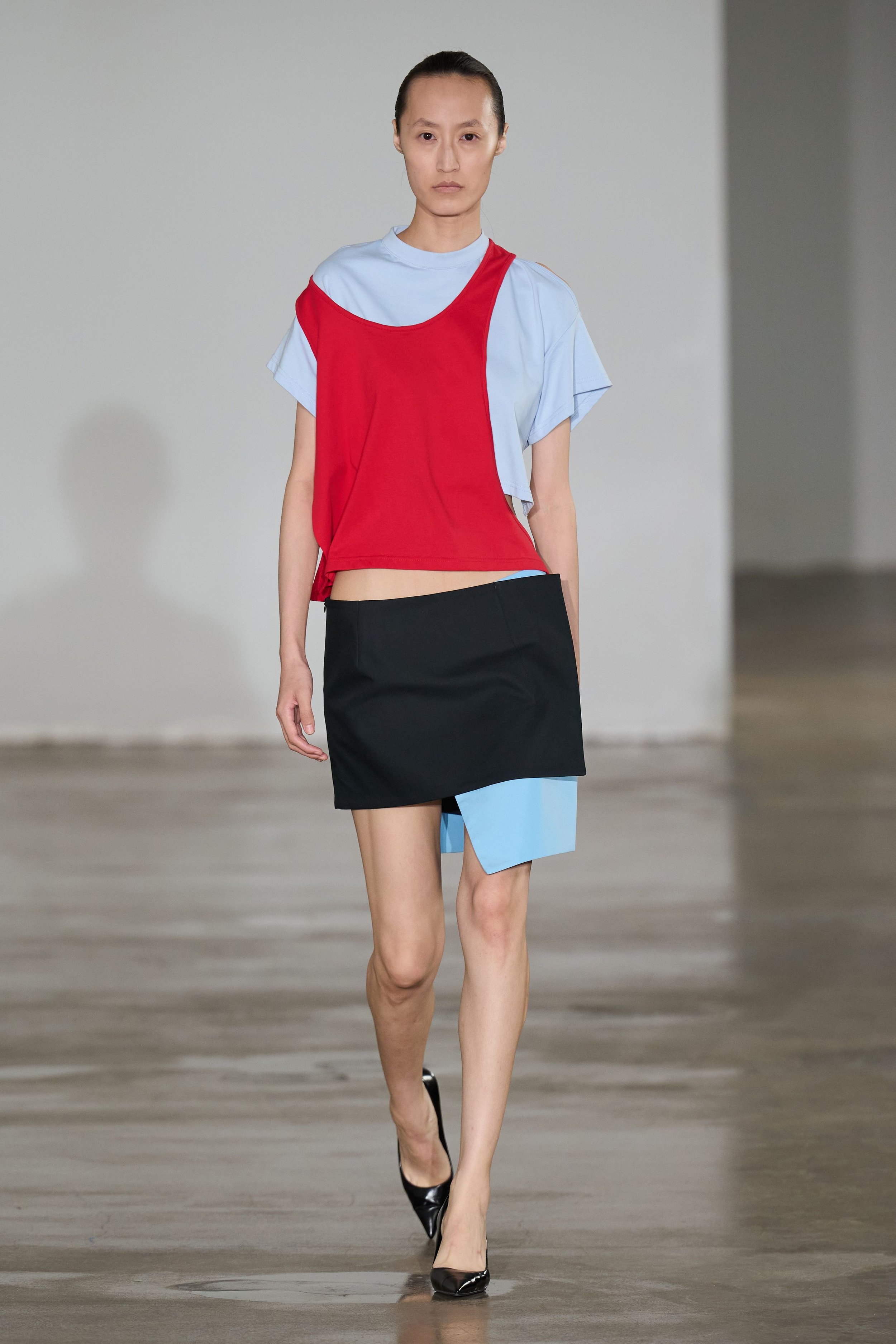
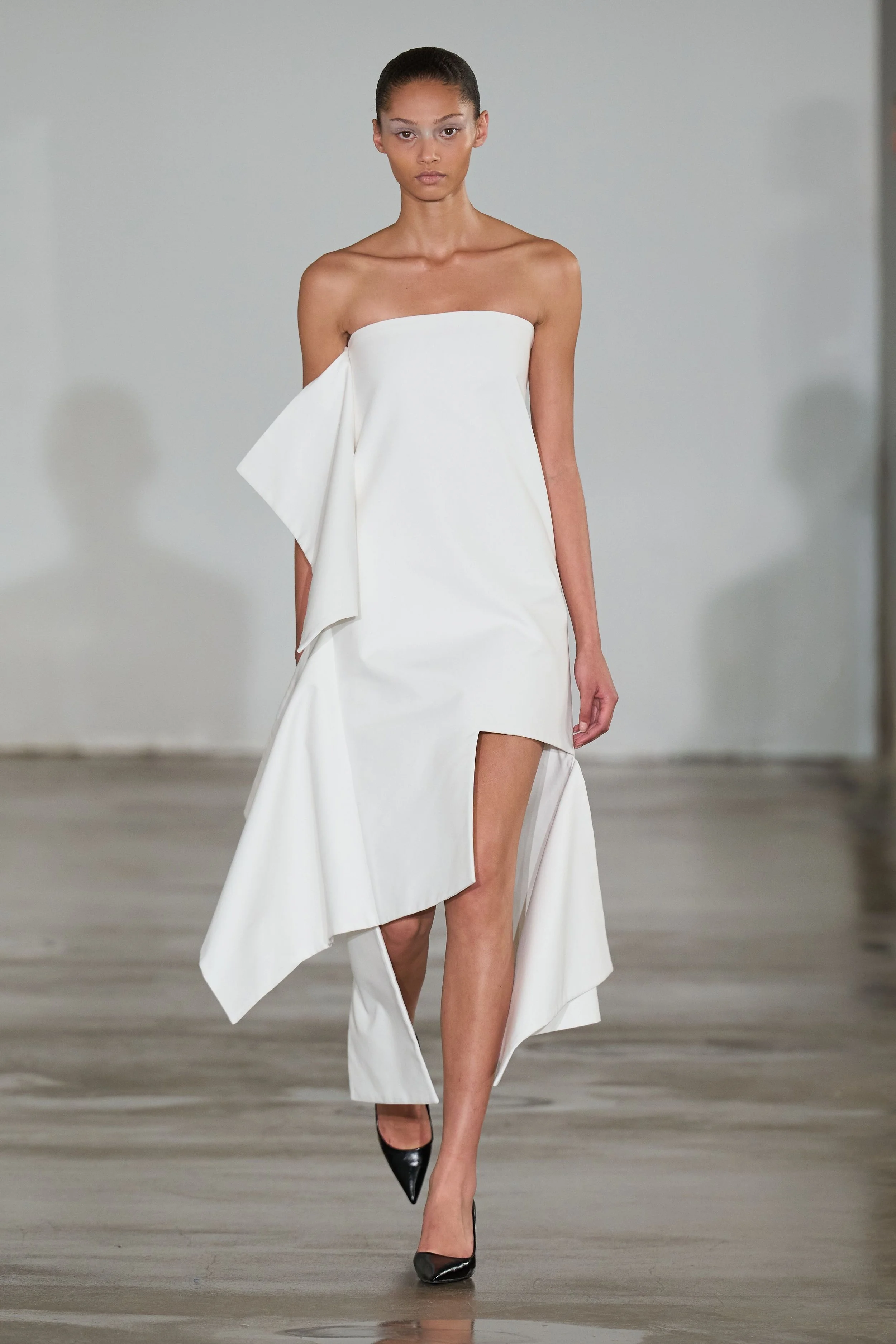
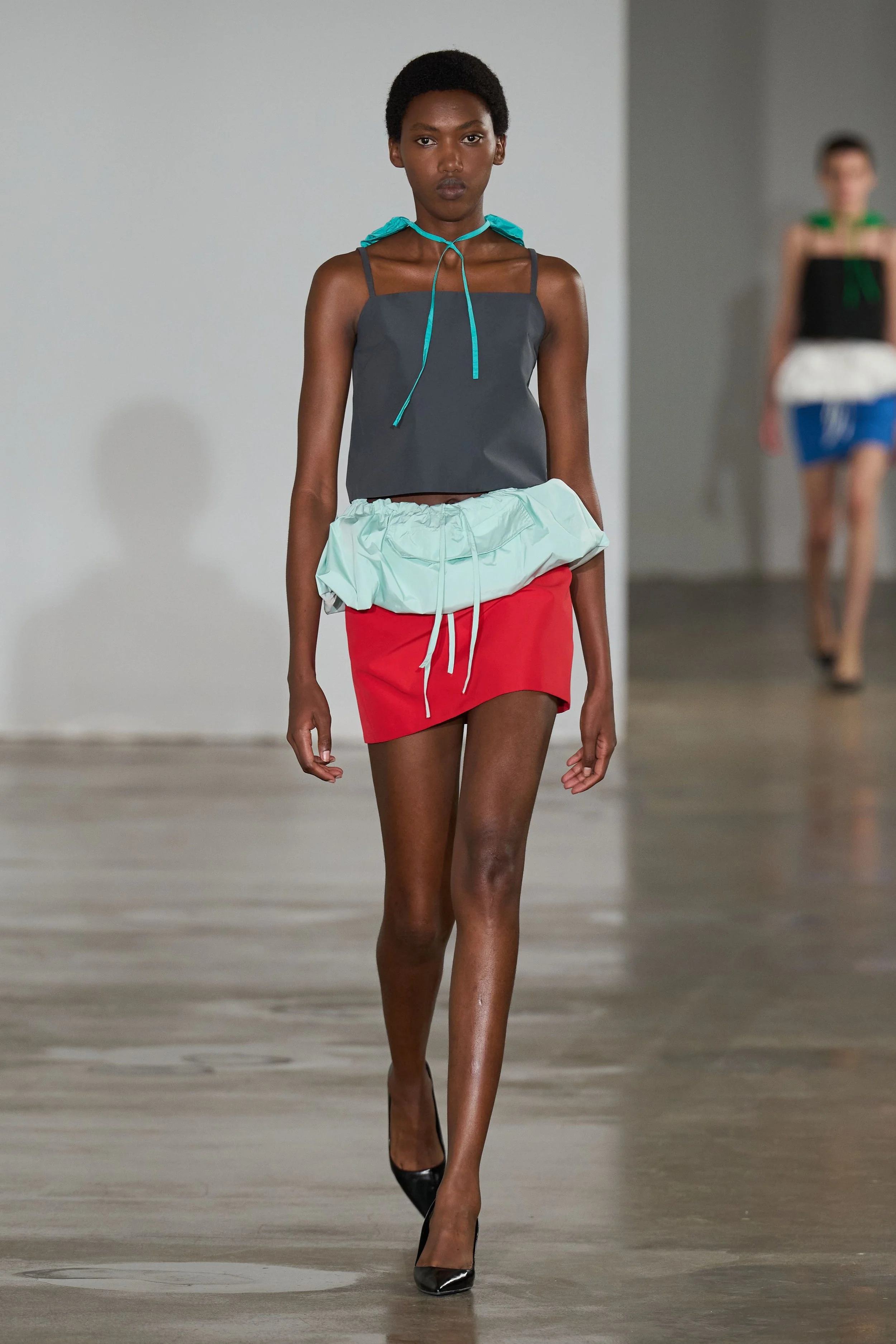
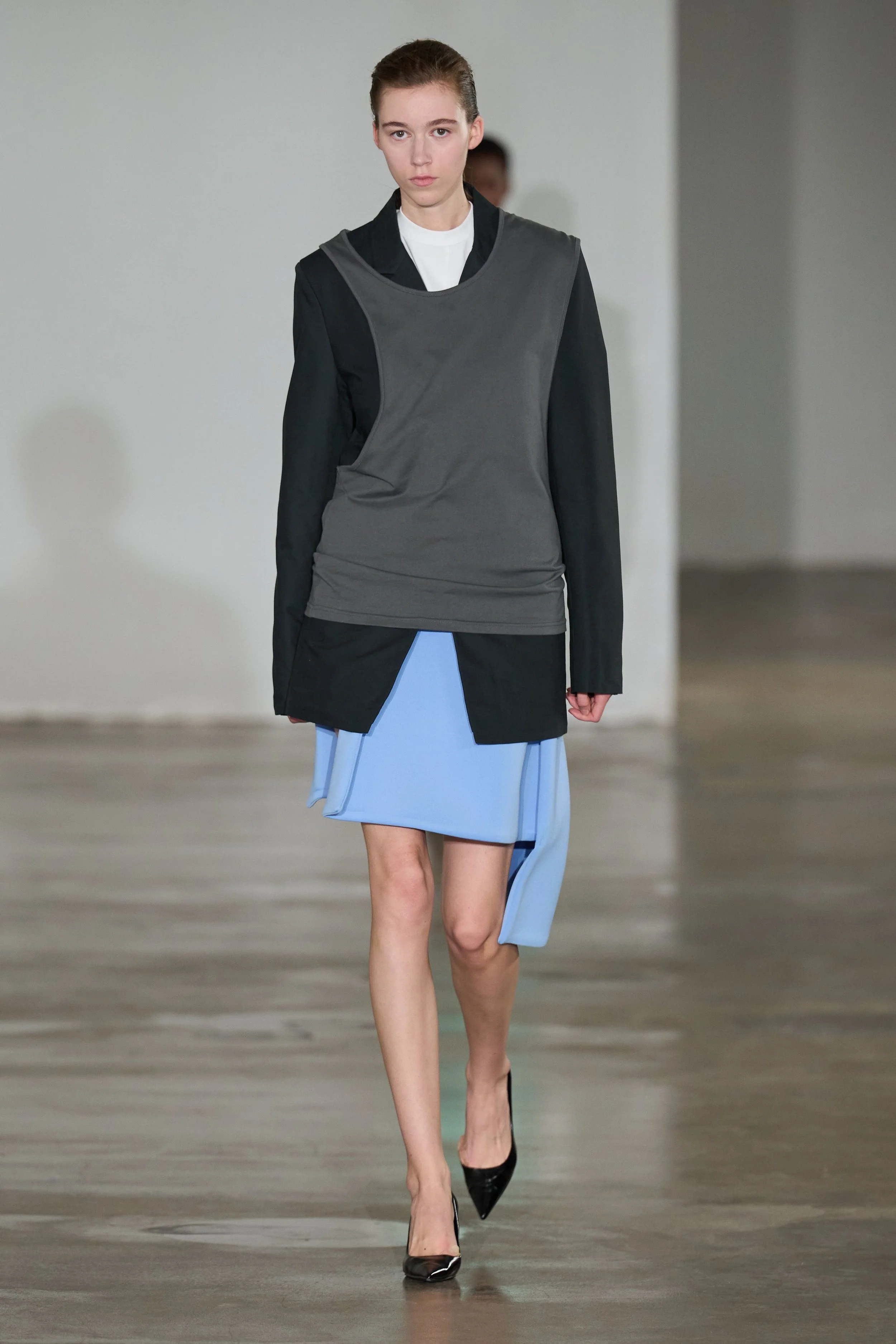
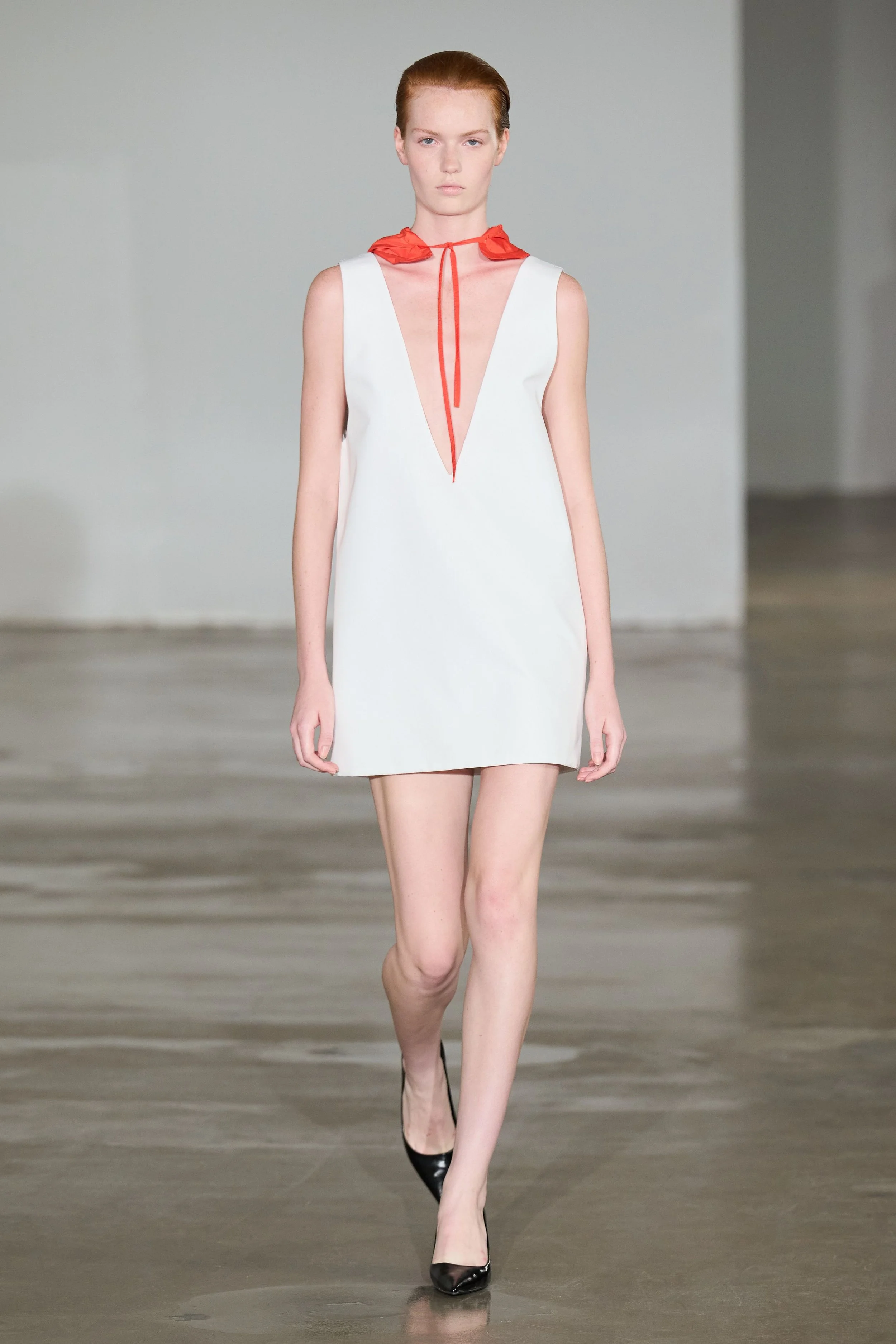
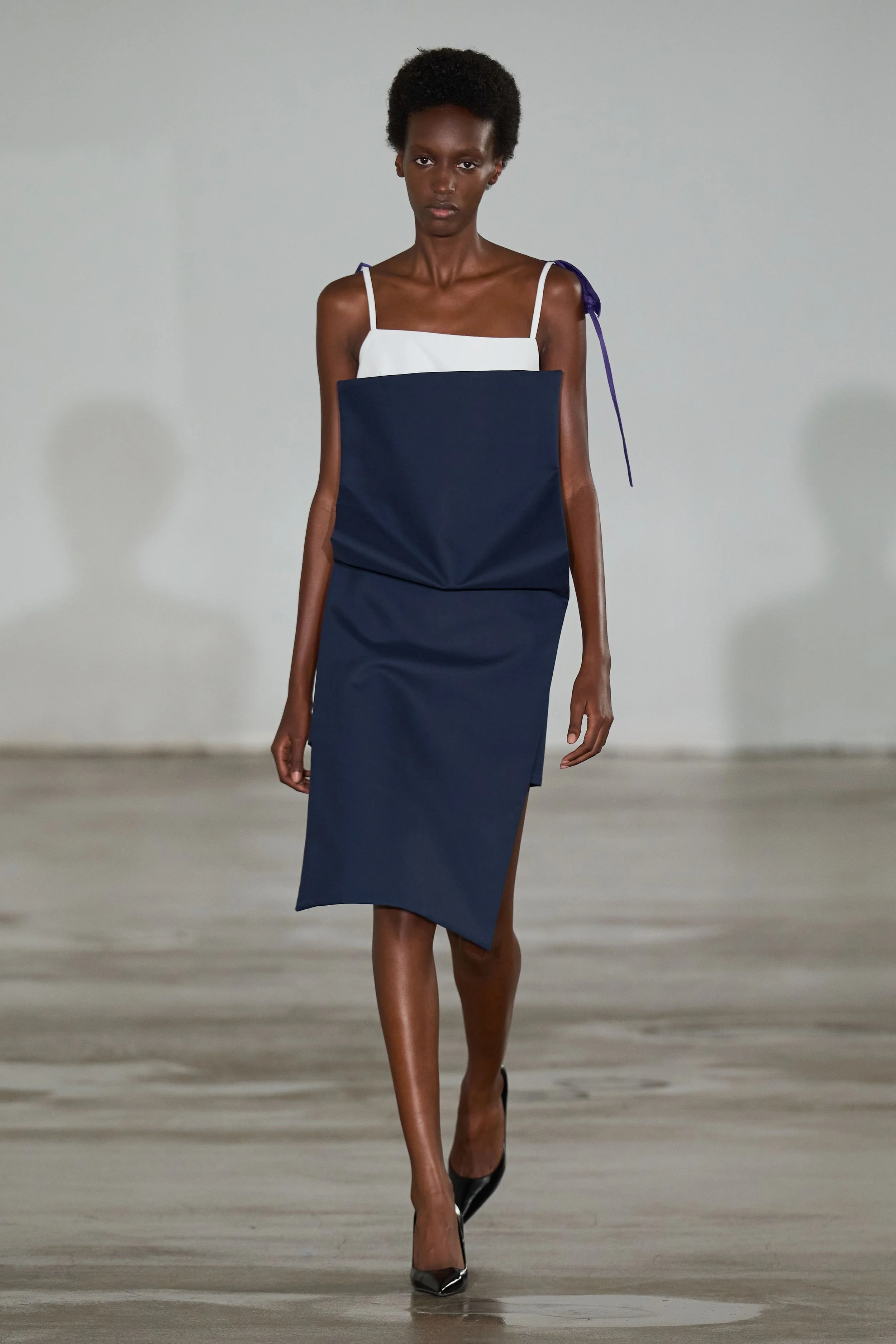
After all, our emotional education rarely begins with our own experiences. We learn about love through films, understand heartbreak through songs and develop attachments to entire decades through images that have little to do with our personal histories. Nostalgia, in this sense, becomes something we inherit rather than something we remember. We romanticise lives we never lived, miss places we have never visited and find comfort in memories that technically do not belong to us. It is within this contradiction, somewhere between cultural memory and personal imagination, that Li constructs his vision of the 1960s. Not as a historical reconstruction, but as a distorted recollection of a decade he only knows through what it left behind.
The result is a collection that borrows the visual optimism of the period without surrendering to its conventions. The familiar codes of romance, propriety and adolescent rebellion are brought into conversation with the present, producing clothes that feel simultaneously nostalgic and unfamiliar. There is an almost childlike curiosity running through the collection, but it should not be mistaken for a lack of sophistication. In a cultural climate increasingly defined by uncertainty and disillusionment, Li seems particularly interested in the radical potential of optimism. Perhaps looking backwards is not always about escaping the present, but about finding new ways to confront it.
Of course, the intellectual exercise would mean little without the clothes themselves. Li returns to the silhouettes that have helped establish LII’s identity, pushing ordinary garments into unexpected territory through precise interventions in proportion, construction and function. Anoraks are stripped down to detachable hoods, attached to camisoles and dresses where decorative collars would traditionally sit. T-shirts are layered, interrupted and spliced together, simultaneously concealing and revealing the body. Elsewhere, square panels introduce architectural volume into cocktail dresses, creating the impression of sculptural objects floating independently of the wearer, while colour-blocked skirts turn familiar shapes into something more abstract. These are not simply exercises in deconstruction. They reveal a designer fascinated by the tension between what a garment is supposed to be and what it might become.
At its core, LII’s proposition feels distinctly American. After all, American fashion has never needed the formality of European couture to establish its identity. Its greatest contribution has arguably been the elevation of sportswear, an understanding that clothes should move with the body, accommodate everyday life and make ease feel desirable rather than ordinary. Zane Li takes this legacy and pushes it into unfamiliar territory, proving that practicality and experimentation do not have to exist at opposite ends of the conversation. His clothes may challenge proportions, distort familiar silhouettes and flirt with the absurd, but they never entirely abandon the instinct to be worn. Because perhaps the most radical thing a designer can do today is not make fashion more complicated, but make complexity look effortless. And in a city like New York, where getting dressed has always been as much about attitude as appearance, that might be the most American statement of all.
Words by @alraco43