
PARSA SABET SPEAKS ABOUT BOYMAN AT ROCK EN SEINE 2026
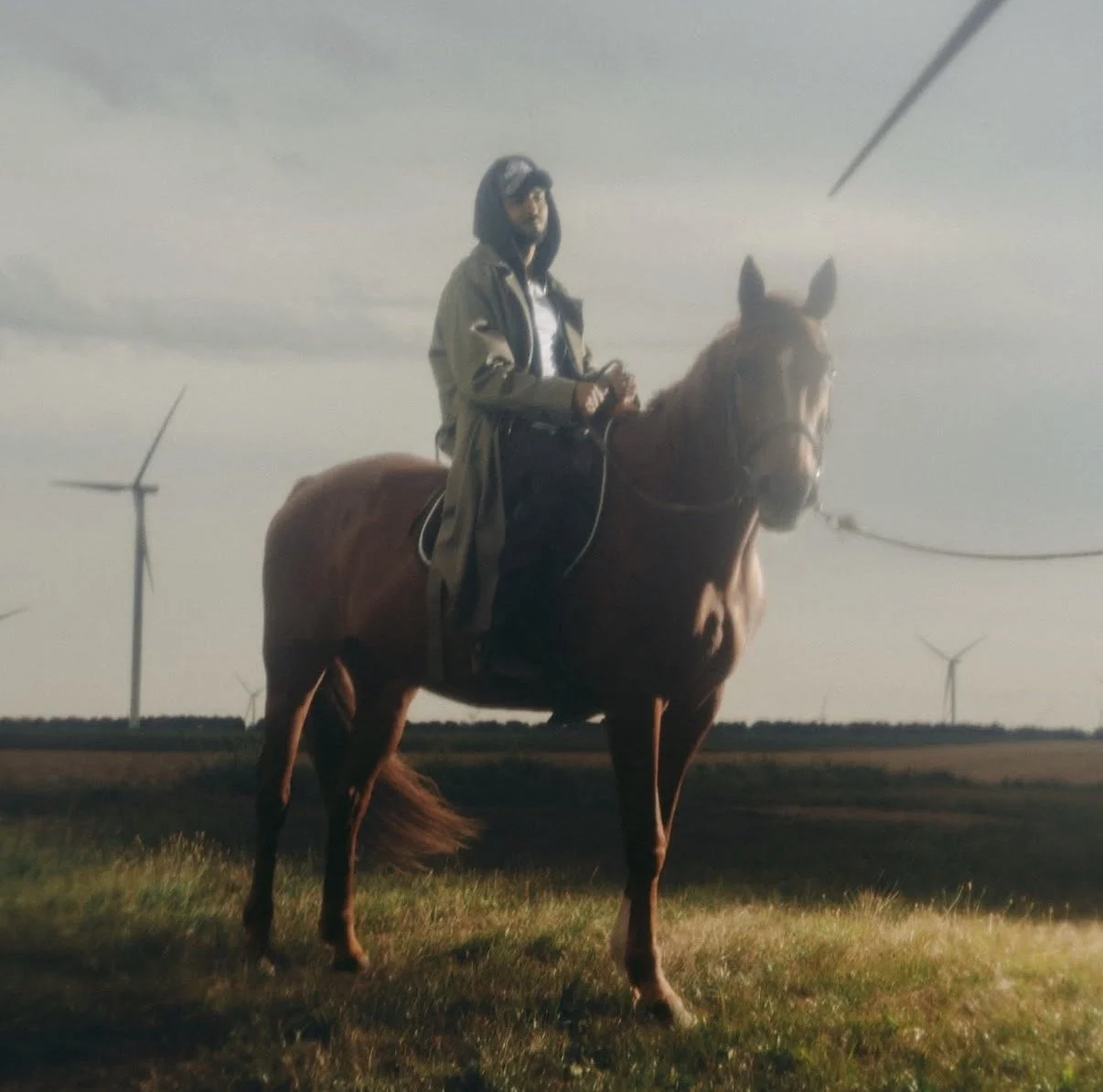
Parsa Sabet exists somewhere between contradiction and instinct. Describing his sound as “experimental fairytale music for lost princes and princesses,” the France-based artist approaches music as a space where identity can remain unresolved, genres can collide and expectations are there to be disrupted. His latest project, “Boyman”, turns the transition from boyhood to adulthood into something fluid rather than definitive, exploring the different selves we carry with us as we grow. Moving between cultures, languages and references, Sabet embraces ambiguity across sound, fashion and self-presentation, while maintaining an instinctive resistance to established structures. In this conversation, he reflects on immigration, masculinity, sexuality and creative freedom, the power of dressing to impress, and why sometimes the best way to deal with doubt is simply to create through it.
Álvaro Ramos: First of all, could you introduce your project to an audience that might not know you yet? Who are you, and where do you come from?
Parsa Sabet: My name is Parsa Sabet. I make music that I like to call experimental fairytale music, music for lost princes and princesses.
ÁR: Your latest project, “Boyman”, feels like a very specific step in your evolution as an artist. How did you make the decisions that shaped the project?
PS: I think “Boyman” was the conclusion of all the influences I had at the time I was making it. I actually made the project two years ago, and it was only released this year. So, in a way, I’m already quite far away from that sound. For me, it was a space to experiment with all those influences and then move on. Right now, I haven’t really been listening to music for about a year and a half, so I’ve lost a lot of those direct influences. I’m reaching towards something new now, something that feels quite far away from everything I would usually listen to.
ÁR: Boyman also feels like a coming-of-age story, particularly around the transition from boyhood to manhood. How did you approach that idea?
PS: I think the duality of life is so funny because it’s full of contradictions. Life is a contradiction, and I love it that way. There’s something beautiful about going from boyhood to manhood because you have to keep all those different parts of yourself. You’re still a child, you’re still a boy, even as you grow into an adult. I think it’s beautiful to keep all of that inside you, to go through all those emotions and allow every version of yourself to influence who you are and who you’re going to become. It’s like shedding skin: you’re still the same person, just with a new skin.
ÁR: Another theme that seems to run through the project is a rejection of systems and established structures. Where does that come from?
PS: I’m an anti-system “Boyman”. Every system feels like a cage to me. I never learned music theory, I was never particularly good at school, and now I’m making music entirely on my own terms. That’s just how I work. So, in a way, making music is my “fuck you” to all those systems.
ÁR: Why did you decide to make music in English?
PS: I was raised and grew up around an American community, so English became the dominant language in my head. Now I live in France and I have dual citizenship, so it’s changed a little, but I speak Persian, French and English at roughly the same level, and I probably make mistakes in all three at roughly the same level too. English simply became my language of choice when I was a child.
ÁR: Could you imagine experimenting with other languages in your music in the future?
PS: Of course. Everything is possible. Everything is beautiful. I could sing in anything.
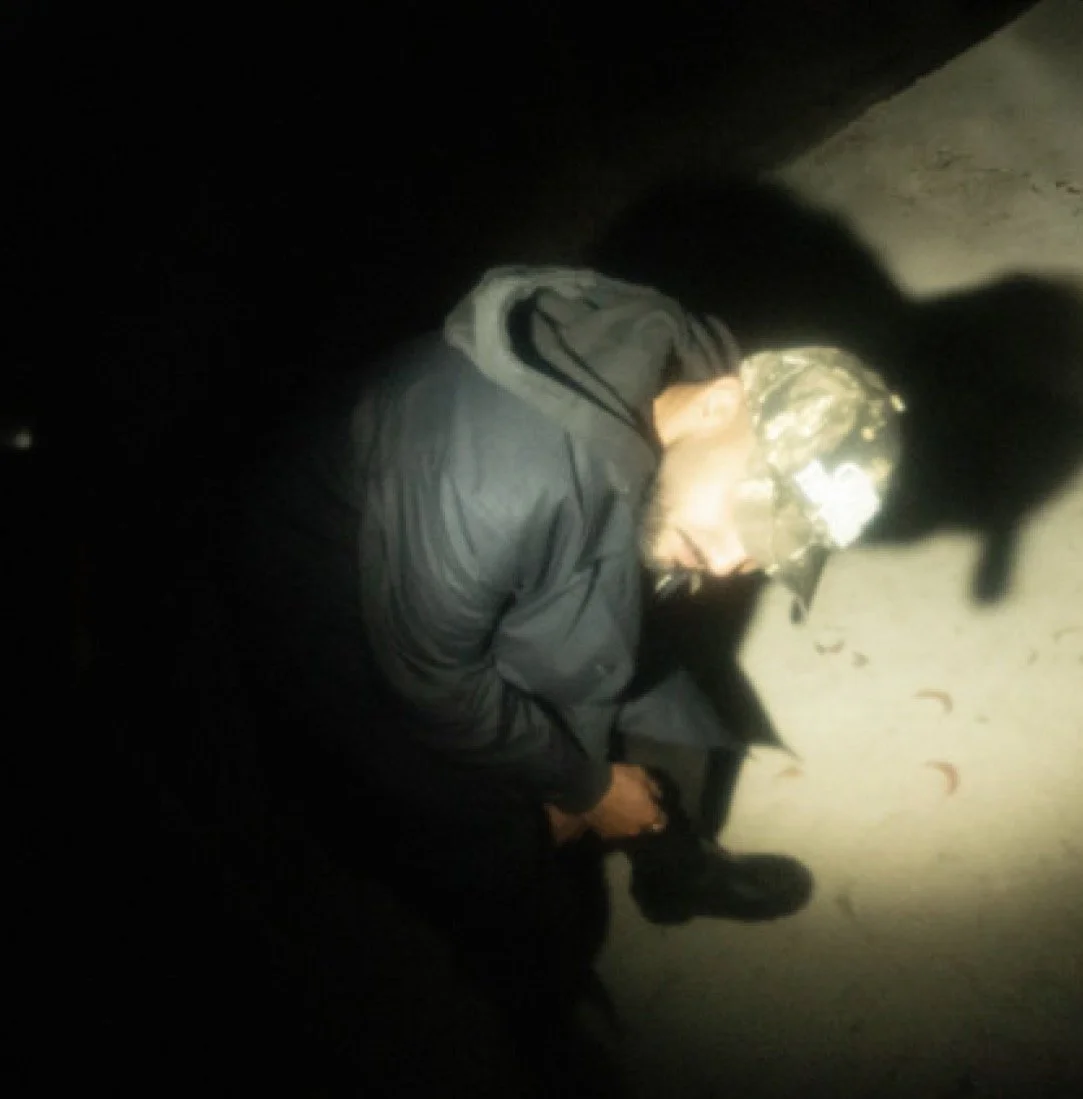
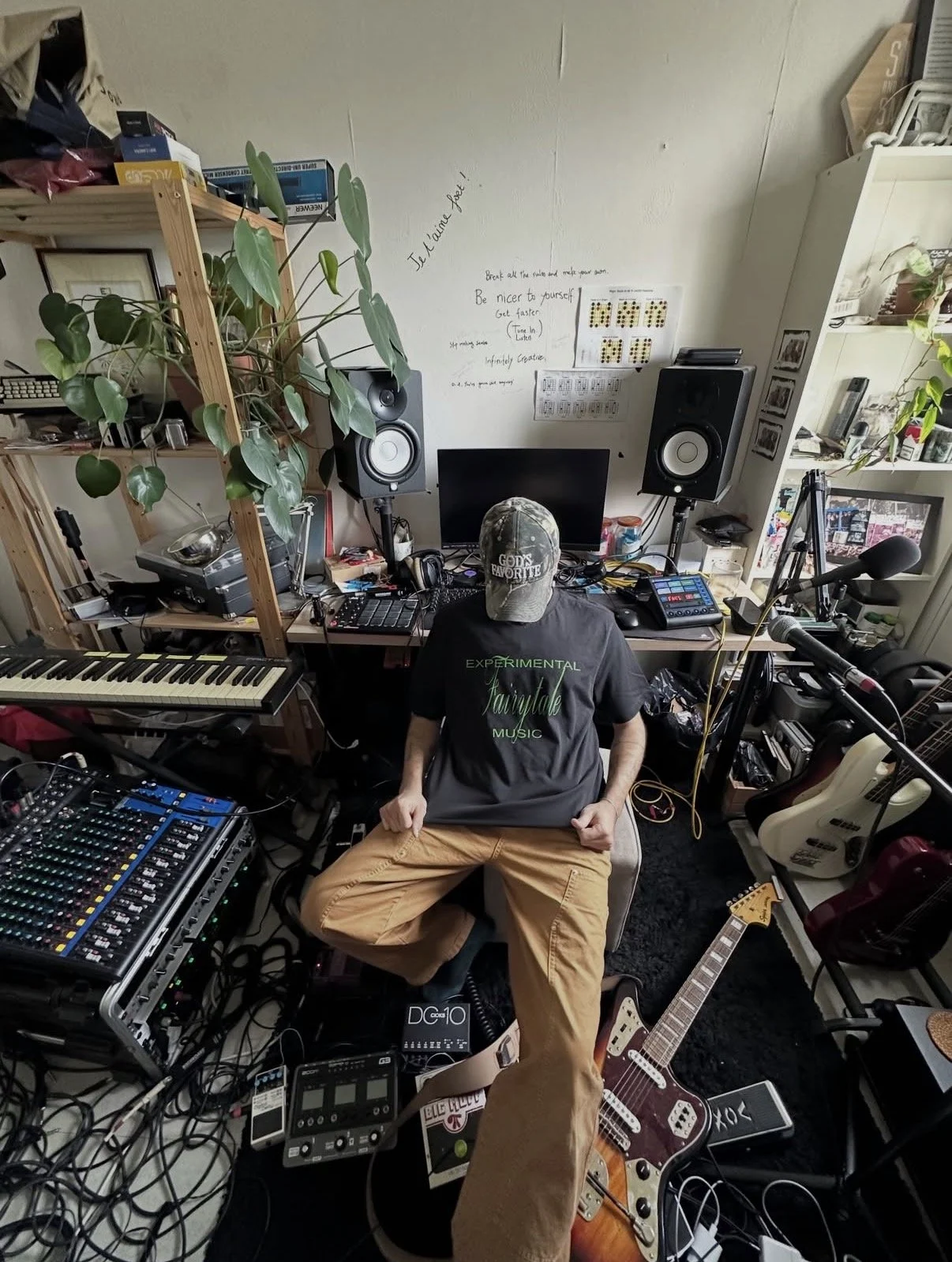
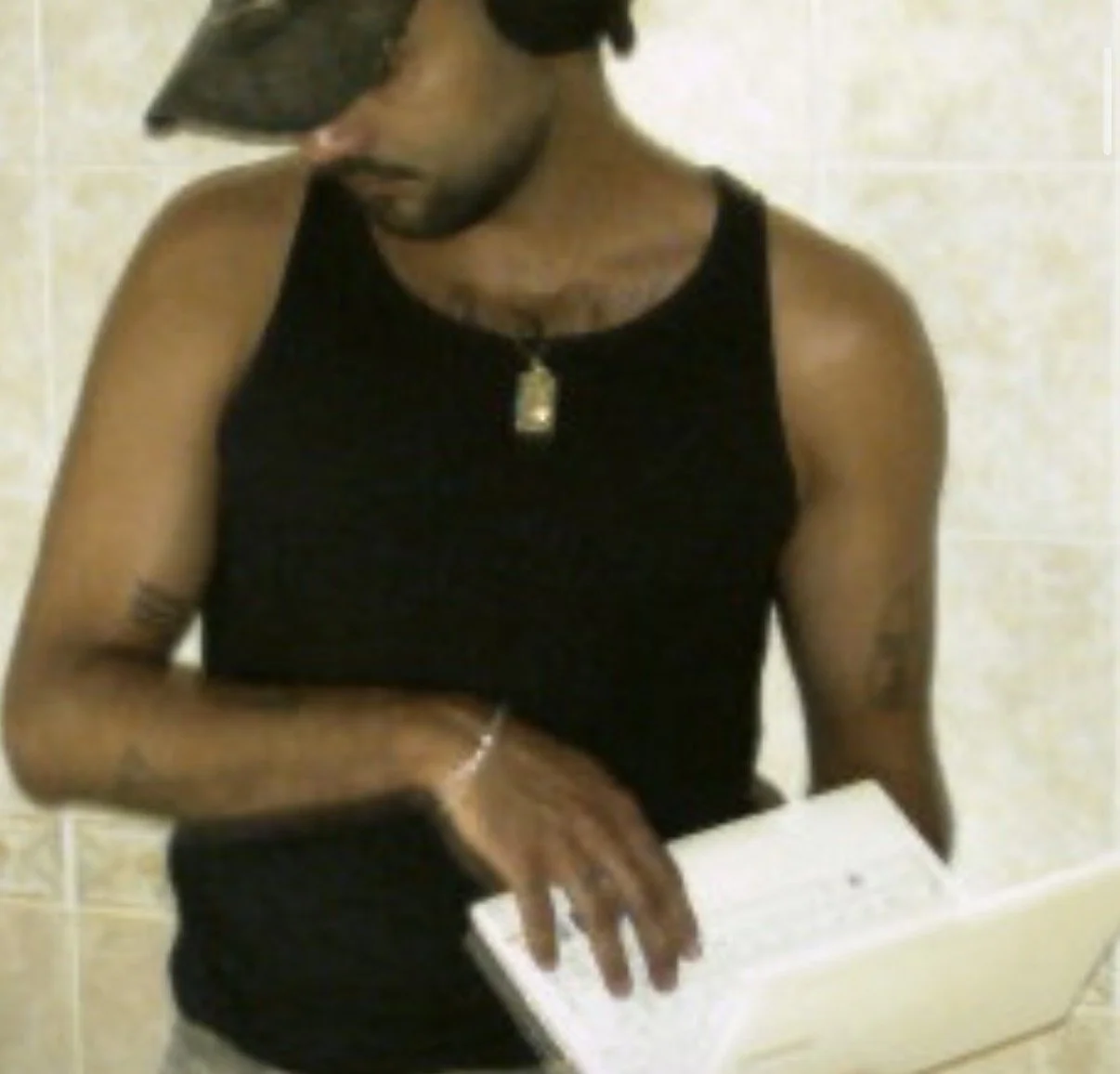
ÁR: I recently interviewed several artists from the urban scene and asked them about expressing sexuality through their music. Some told me that one of the things that holds them back is knowing that their mothers or families are among their biggest listeners. How do you approach sexuality, desire and intimacy in your own music?
PS: I like playing with duality, and I also like confusing people. My dad plays a woman in one of my music videos, for example. I come from an immigrant household, but also from a very open family, so I’ve never had a problem experimenting with anything. I really like confusing people. I’ll wear a “God’s Favorite” hat with a cross even though I’m not religious at all. Some people will ask me if I’m heterosexual, others will ask me if I like boys. I don’t, but if you think I do, that’s okay. People make assumptions because of your appearance or the way you present yourself. That’s their first perception of you, so they reach their own conclusions. And that’s fine. I just don’t give a shit about what anyone says. In my music, I like talking about things in a slightly discreet way. I like making things funny, strange or a little malaisant, as we say in French.
ÁR: Do you think the freedom you have to express yourself comes partly from having lived between different cultures, languages and countries?
PS: I’m incredibly lucky to have lived the way I have. I’ve gone through immigration three times, and I think that gives you a perspective on how different people can be while, at the same time, making you realise that everyone is on the same level. Everyone is simply a human being. Different languages, different skin colours, different sexualities, different ways of experiencing yourself, that’s all okay. A lot of that also comes from the education my parents gave me and from having been lucky enough to live in so many different countries. It helped me become the person I am today. Even though it was difficult, I would do it all again if it meant becoming the same person. I learned so much from it.
ÁR: How did you find your musical style? It’s quite particular and difficult to place within a single genre.
PS: I think it came from listening to many different things and being obsessive about them. Although, right now, I barely listen to music at all. It’s been around a year since I really listened to much. Before that, I was always a sad-song guy. I loved imagining myself inside the music video, like we all do when we’re teenagers, I guess. I think my style just came from discovering different songs and sounds over time.
ÁR: We’ve spoken about music as a form of expression, but what power do clothes have for you as an artist?
PS: I have the chance to express myself through both my music and the way I look, so they’re two different ways of showing who I am. For the past year, I’ve been dressing almost entirely in black because of my mood. I think it’s important to dress exactly how you want to look and not listen to anyone else. Just dress up and dress well. Even if I’m only going out to buy eggs, I want to impress.
ÁR: So you’re always dressing to impress?
PS: Yeah. Just fucking impress.
ÁR: What part of your everyday life inspires you the most?
PS: Living the way you love. That’s it. Not listening to anyone else. I don’t even listen to myself sometimes, which is probably shit advice.
ÁR: Finally, what would you say to a younger generation trying to become artists?
PS: Life is way too short to ask yourself so many questions or to be paralysed by doubts. Just do it. Even if you have doubts, do it through the doubts. And be obsessed. That’s it.
Questions by @alraco43