
LA FLEMME SPEAKS ABOUT LA FÊTE AT ROCK EN SEINE 2026
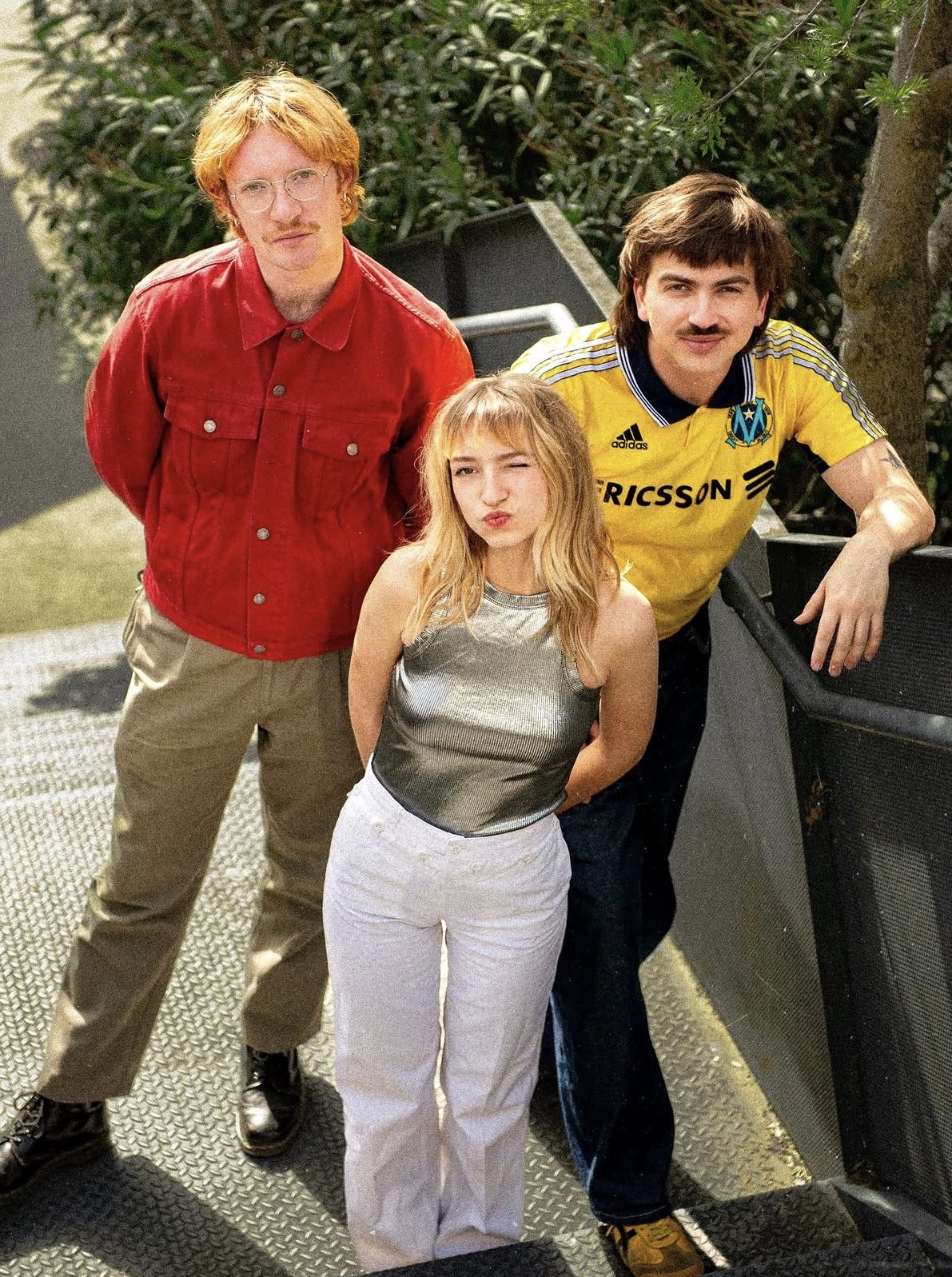
La Flemme might translate as laziness, but there is little passive about the Marseille band’s approach to music. Emerging from the city’s tightly connected rock scene, the group brings together garage, pop and psychedelia through a process shaped as much by friendship and experimentation as by their own technical limitations. More importantly, they see themselves as part of a community where music, politics and youth culture inevitably intersect. Singing about parties, uncertainty and the anxieties of growing up in contemporary France, La Flemme embrace imperfection while looking beyond the nostalgia that currently surrounds guitar music. In this conversation, the band discuss Marseille’s influence on their identity, finding a sound through limitations, fashion and second-hand culture, the possibility of a new French counterculture and why, for them, making music can never be entirely separated from politics.
Álvaro Ramos: First of all, could you introduce La Flemme to an international audience? How would you define the band and the music you make?
La Flemme: We’re a young French band making a kind of garage music, with a lot of inspiration coming from pop and psychedelic music too. We sing in French, and the band has existed for around three years now, although we’ve really been playing a lot for the past year and a half. And we come from Marseille. We’re a group of friends from the best city in the country, actually, the best city in the world.
ÁR: I wanted to ask you about Marseille specifically. Do you think La Flemme would be the same band if you had developed the project in Paris?
LF: Honestly, no. Paris is a huge city and the scene is very different from Marseille’s local rock scene. It’s a completely different way of doing things. Maybe we would have just got lost in Paris among all the other bands. In Marseille, there are a lot of bands and a lot of places to play, but everything is concentrated in the same area. There are venues we really love that are literally two minutes away from each other on foot. Everybody knows everybody. Because of that, you get to see a lot of shows and discover a lot of other bands. We inspire each other. There’s a particular sound growing in Marseille right now that we really love, and we don’t think it would be the same if we were in Paris.
ÁR: Do you think clothes are important to the way an artist presents themselves? How important are they for La Flemme?
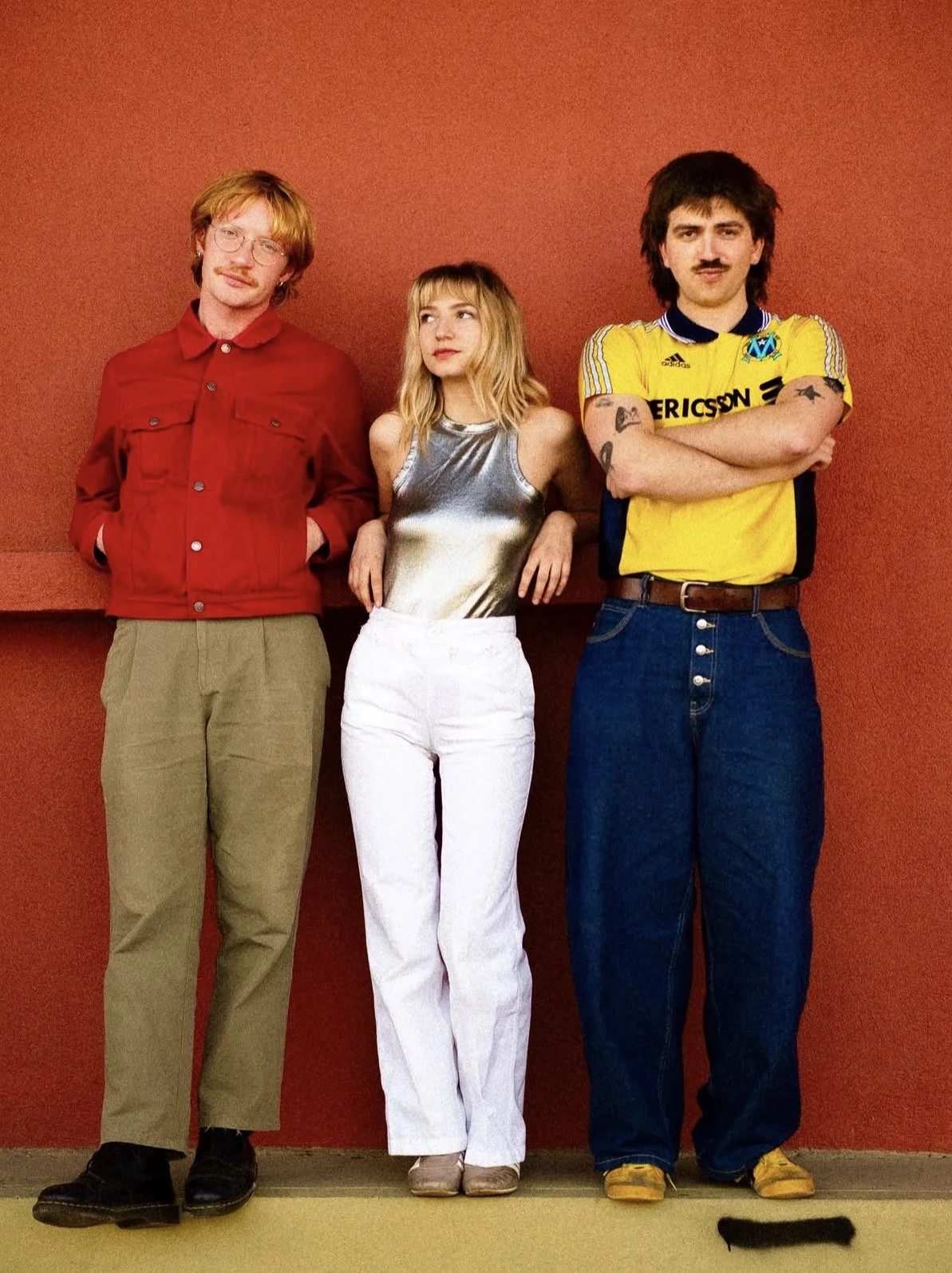
LF: We’ve actually had different opinions about that within the band. For some of us, dressing in a certain way is another form of self-expression. Clothes can give you confidence, and that confidence can influence the way you perform a show. Some of us didn’t completely agree with that in the past, but that’s changing. Recently, we’ve been watching and reading a lot about the connections between fashion and music, and it feels like discovering a completely new world. You suddenly start falling in love with it. Maybe we’re still not dressing incredibly well, but we’re getting better.
ÁR: I think that historically there’s also a strong connection between rock, punk and fashion. A lot of it came from not having much money, modifying your own clothes and buying second-hand.
LF: Exactly. There’s almost a whole culture around shopping for second-hand clothes.
ÁR: Could you tell me more about your musical influences? Have they changed since the beginning of the band?
LF: That’s actually one of the biggest things about this band: we all have very different influences, but somehow there’s still a common thread between them. When the band started, the idea was to create something with a very psychedelic sound, with bands like King Gizzard & the Lizard Wizard and Osees as references. But when we actually started playing together, we weren’t necessarily very technically skilled with our instruments. You might want to make this huge, complex sound and then discover that you simply can’t play it. So you think, “Okay, that’s difficult. Let’s not do that.” And you end up finding your own sound through those limitations. If you listen to our music now, you can still hear some of those original influences, but there are many other things in there too. There’s a lot of different structures, textures and sounds coming from what each of us listens to.
ÁR: Do you think there is a genuine youth counterculture emerging in France right now? Something connecting bands like yours with people who don’t necessarily want to follow the established system?
LF: Maybe. It could be true, but we’re only starting to realise that we might have one foot inside something like that. It was never really the goal when we started. It just happened. But we are playing for people like us. We’re not playing for fascists. We’re not interested in making music for far-right people or that kind of mainstream audience. We want to keep our community, people on the left who listen to music, come together and still have some hope about the world. We hope we can remain part of that culture.
ÁR: So, for you, concerts and music are inherently political?
LF: Yes. Everything is political, and music and culture even more obviously so. At the end of the day, that’s one of the main purposes of art.
ÁR: Is there anything about contemporary French culture that particularly makes you want to create music, either because you want to respond to it or go against it?
LF: We mostly speak to young people. A lot of our lyrics are about partying, but also about the questions and anxieties surrounding the way we’re growing up. Those subjects aren’t exclusively French, they can speak to people everywhere. At the same time, of course, we live in France. We’re writing about our own lives, and those lives are shaped by what’s happening in French society right now. Even when a song isn’t explicitly about France, what the country is becoming inevitably has an influence on what we create.
ÁR: I have to ask about the name. Where does La Flemme come from?
LF: There’s a story behind it. We were talking with a friend when the band was still new and we were really struggling to find a name. At some point, I said something like, “J’ai trop la flemme de trouver un nom”, basically, “I’m too lazy to find a name.” And my friend just said, “That’s it. La Flemme.” We checked, saw that the name wasn’t already being used, everyone agreed, and that was it. La flemme basically means laziness.
ÁR: How do you approach the visual identity of the band, particularly the artwork for your releases?
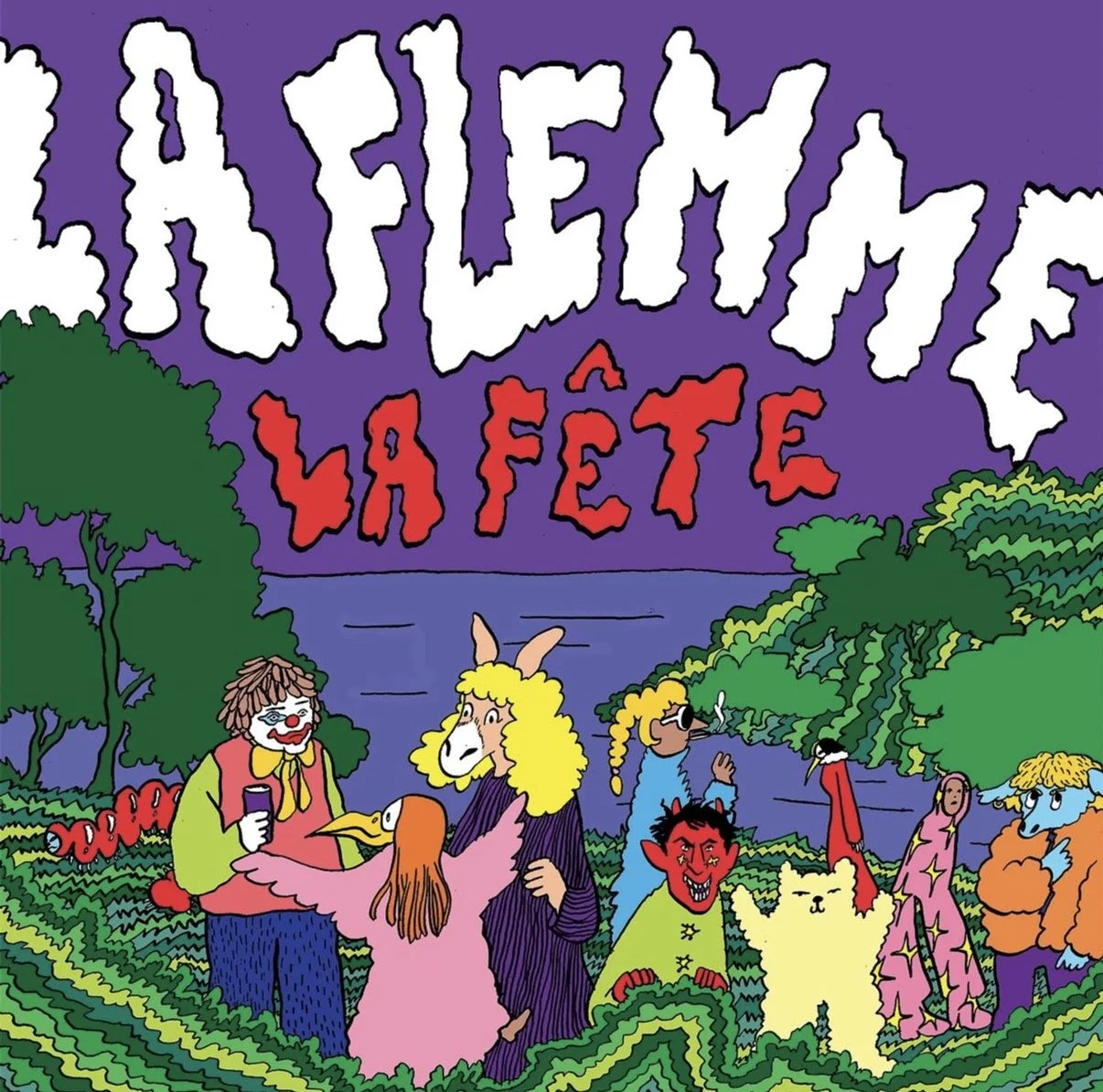
LF: A lot of it happens quite naturally through the people around us. With one of the covers, for example, we basically approached someone whose work we liked and asked her to do whatever she wanted with it. She loved the music, we trusted her, and she was like, “Give me 200 bucks and let’s do it.” And we were basically like, “What the fuck? Okay, why not?” Sometimes it can be as simple and spontaneous as that.
ÁR: Do you think La Flemme creates more from nostalgia or from the present?
LF: Probably both. Everyone is talking about nostalgia at the moment, and obviously we have references from the past, but we’re still making music from where we are now.
ÁR: What would you say are the main recurring themes in your lyrics?
LF: Probably not being a functioning animal. That might be the subject that comes back the most.
ÁR: What can we expect next from La Flemme?
LF: New songs with more complexity; both musically and in terms of what we’re talking about.
ÁR: And finally, any words of advice for the new generation of artists?
LF: Don’t have la flemme to make music. Just do it. Don’t overthink it. That’s probably our best advice.
Questions by @alraco43