
Sónar+D 2026 Moves to Central Barcelona to Explore Creativity, Technology and the Post-AI Era
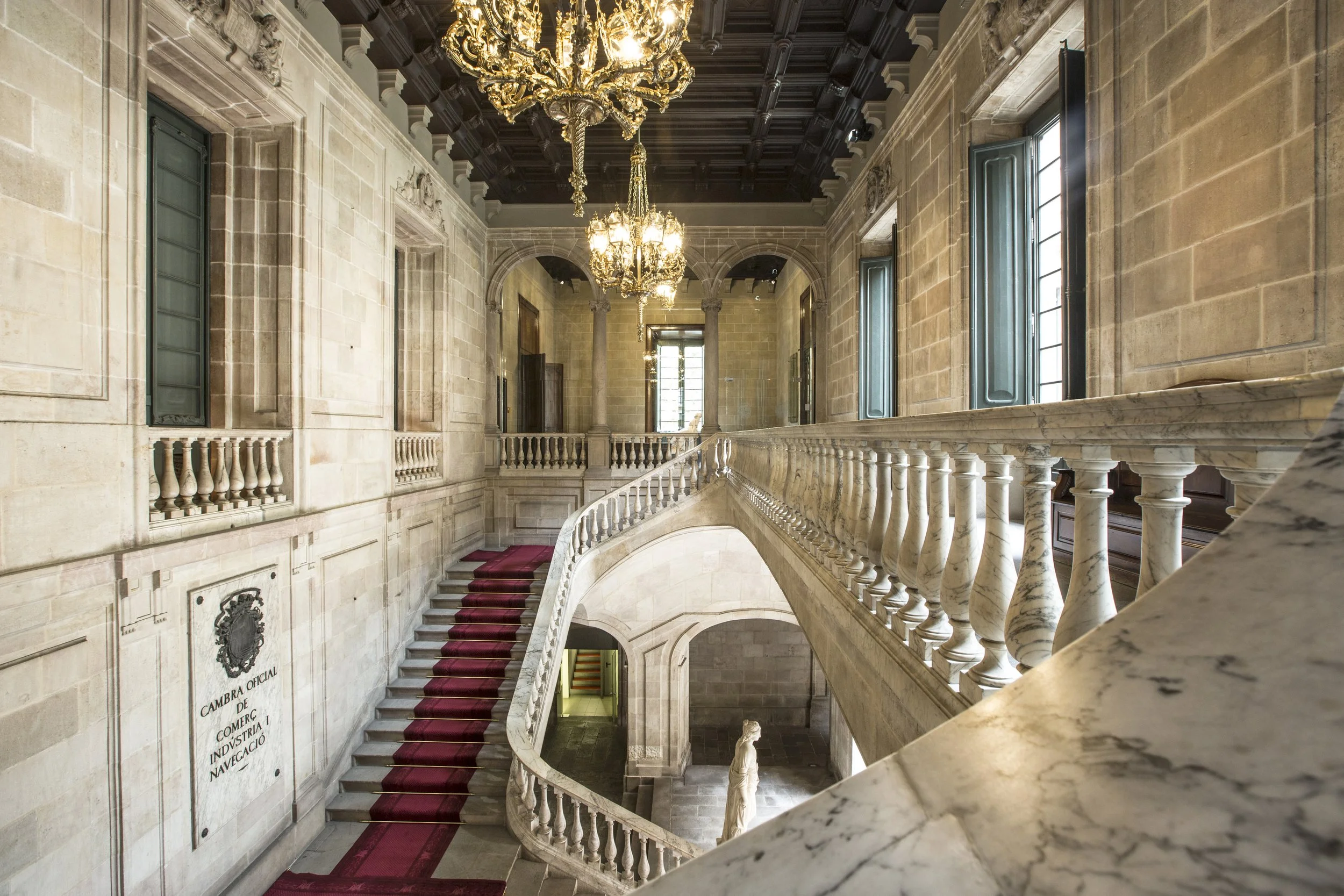
Sónar+D will return on June 18 and 19, 2026 with a renewed focus on how society can engage more actively and critically with technology. For its 14th edition, the innovation and digital culture platform will relocate to Barcelona’s historic Llotja de Mar, transforming the landmark neoclassical building into a hub for talks, workshops, performances, exhibitions and community-led activities.
This year's programme is built around three key themes: the future of music in a post-AI landscape, digital experiences that move beyond screens into the physical world, and alternative visions for the internet at a time when online spaces are increasingly shaped by commercial interests. Through these discussions, Sónar+D aims to encourage audiences to move from passive consumption of technology towards active participation and critical engagement.
Artificial intelligence will once again play a central role throughout the programme. After more than a decade of observing AI evolve from a niche technology into a mainstream creative tool, Sónar+D 2026 will examine the questions emerging as the music industry enters what many describe as a post-AI era. Artists, researchers and technologists will explore how creative communities are adapting to a reality in which AI has become an everyday part of artistic production, while also reflecting on the challenges and opportunities that lie ahead.
For the third consecutive year, these conversations will take place within the framework of AI & Music powered by S+T+ARTS, the European initiative supporting innovation at the intersection of art, science and technology. The programme will open with a special performance by Catalan jazz pianist Ignasi Terraza, who will perform alongside an artificial intelligence system in the latest iteration of the Piano & AI project developed by UPC researcher Philippe Salembier.

The opening day will also feature the AI & Music Inaugural Forum, bringing together leading voices working at the forefront of AI and sound. Participants include multidisciplinary artist Rob Clouth, AI pioneer François Pachet, Neutone founder Nao Tokui and Anna Xambó, director of the Computational Sound Arts Laboratory at Queen Mary University of London. Additional talks will explore emerging applications of AI in music, including projects that translate DNA sequences into sound.
Among the headline speakers confirmed for Sónar+D 2026 are brand strategist Eugene Healey, internet culture advocate Yancey Strickler, digital artist niceaunties, new media artist Mónica Rikić, Japanese creative technologist Daito Manabe, writer and researcher Mindy Seu, and Catalan artist Joana Moll. The programme will also include workshops led by international artists, designers and creative communities exploring speculative futures, digital creation and web-based practices.
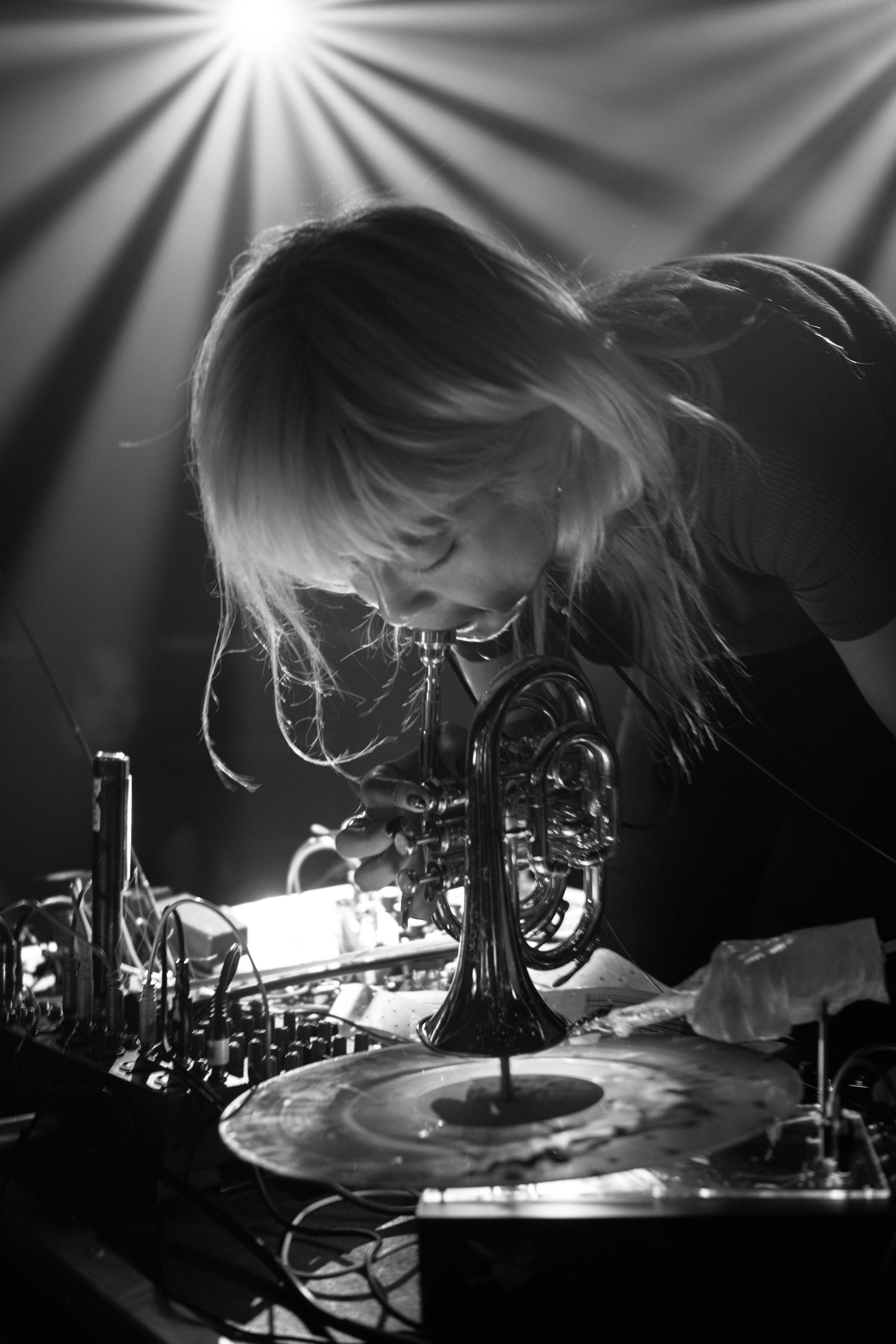
Performance remains a key pillar of Sónar+D. This year's live programme will feature experimental works that challenge conventional relationships between technology and the body, including performances by Evicshen, Fitnesss in collaboration with dancer Riusforza, and electronic producer Shoeg. The AI-focused programme will also present new live works from musical hacker duo dadabots and a collaborative performance developed through the AI Performance Playground, an intensive hacklab organised by Sónar+D and La Salle-URL's IASLab.
Before premiering his new audiovisual show at Sónar, Daito Manabe will join Jeff Chang, Product Management Director at Google DeepMind, for a conversation exploring how AI tools are shaping contemporary performance and music production. Reinier Zonneveld will also present an AI-driven live show as part of Sónar's broader musical programme.
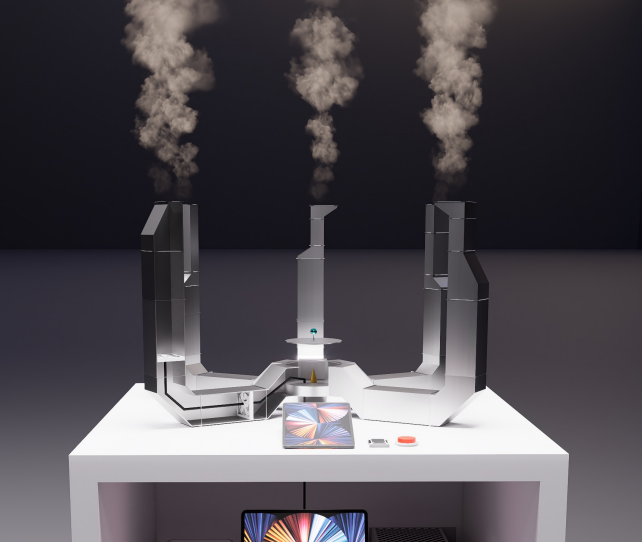
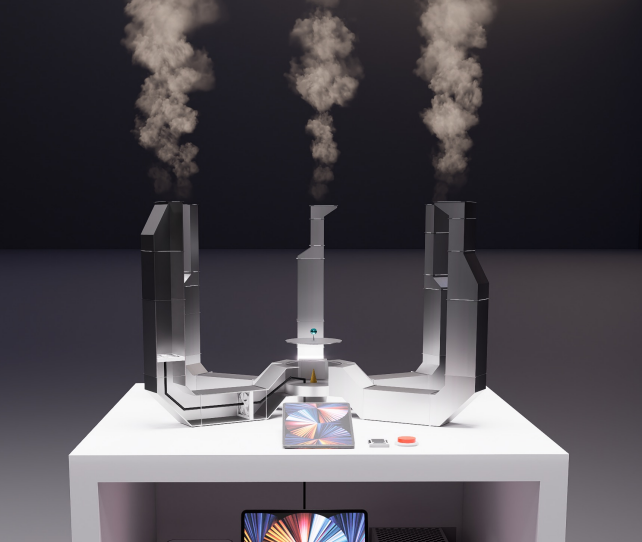
Beyond talks and performances, visitors will encounter a series of large-scale interactive installations and exhibitions throughout Llotja de Mar. Highlights include projects developed by Arts Korea Lab, a kinetic installation by Belgian studio Superbe that transforms audience-generated sounds into evolving visual and sonic compositions, and a robotic artwork created by Brooklyn-based Volvox Labs in collaboration with OFFF Barcelona.
The move to Llotja de Mar also introduces a redesigned spatial concept for Sónar+D. New areas include Stage+D, a circular performance and discussion space located in the building's iconic Saló de Contractacions; Àgora+D, an immersive theatre space featuring a site-specific lighting installation; Pati+D, an open-air courtyard dedicated to networking and community gatherings; and Expo+D, which will host exhibitions and interactive installations across multiple rooms.
Managed entirely by the Sónar Foundation, the non-profit organisation behind the project, Sónar+D 2026 continues its mission of examining how technology shapes contemporary culture while promoting critical thinking, experimentation and collaboration. By bringing together artists, researchers, entrepreneurs and curious audiences under one roof, the event seeks to transform the traditional conference experience into something closer to a multidisciplinary cultural festival.
For the first time, Sónar+D will also offer standalone tickets, making the programme more accessible to new audiences and strengthening its role as a meeting point for Barcelona's creative and digital communities.
Words: @annaamaso