
CAMILLE COTTIN & BENJAMIN LAVERNHE SPEAK ABOUT LES MISÉRABLES BY FRED CAVAYÉ (SSIF’26)
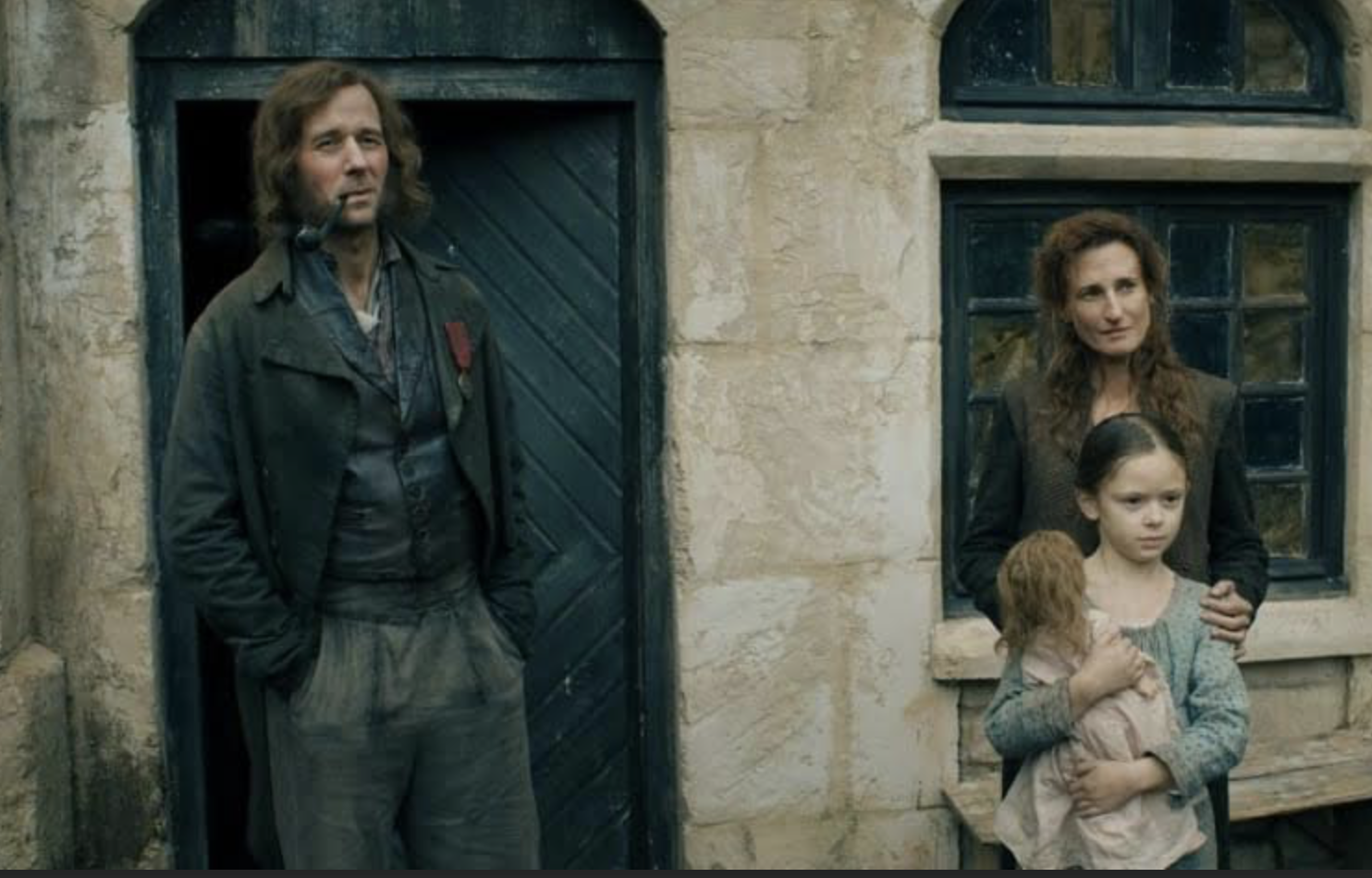
Few characters in Les Misérables embody survival, cruelty and opportunism as vividly as the Thénardiers. Played here by Camille Cottin and Benjamin Lavernhe, the infamous couple is approached not as a pair of simple villains, but as two people shaped by hardship, self-invention and an increasingly ruthless instinct to survive. Across fifteen years, their relationship shifts from bourgeois complicity to criminal partnership, revealing changing dynamics of admiration, power and dependence. In this conversation, Cottin and Lavernhe reflect on moving beyond caricature, finding the humanity beneath figures long embedded in popular culture, and portraying characters whose capacity for cruelty is inseparable from the misery they are trying to escape.
Alejandra Hernández: You play a couple of accomplices whose relationship develops over many years. How did you build that complicity?
Benjamin Lavernhe: There are really two different periods in their relationship. They begin as small bourgeois shopkeepers, and everything is built around a lie, the story that they tell about Thénardier having supposedly saved a high-ranking officer at Waterloo. Everything grows from that invented legend. Fifteen years later, they have become organized criminals. So we had the opportunity to show an evolution, not only in who they are but also in their relationship with one another: their complicity remains, but the admiration and the balance of power between them change over time.
A.H.: Your characters represent a very particular form of power and survival. How much did you try to understand their motivations before judging them?
Camille Cottin: When I was a child, my mother would describe someone truly horrible as being “a Thénardier.” I understood what she meant even before I had read the book. The Thénardière was almost like the ogre from a fairy tale to me. So when I was offered the role, I initially felt uncomfortable because I already had this mythology surrounding her. But as an adult, it became interesting to inhabit them and understand what they represent: people who exploit the misery of others in order to escape their own misery.
A.H.: Was there a scene that changed your perception of the characters after filming it?
C.C.: There is a scene with Fantine that I remember particularly well. She is genuinely kind to Fantine when they first meet. It would have been very easy to make her immediately appear obviously evil, but instead she seems sincerely moved by Fantine's situation. I thought it was brilliant because, from one take to another, Camille, well, my character, could become more and more horrible precisely because she had initially appeared so sympathetic. There is this little theatre of how people present themselves to others: what face they show when someone is watching, and what happens once that person leaves.
A.H.: What interested you most about playing characters who can make the audience uncomfortable?
B.L.: The important thing was not to turn them into caricatures. We know that they are going to be hated, but we wanted to give them an internal logic. We wanted to understand the way their minds work and, above all, never forget that they are people who suffer.
That was our responsibility. They are not simply terrible people for the pleasure of being terrible. Their behavior comes from suffering.
A.H.: What did you feel when you saw your characters in previous adaptations before becoming them yourselves?
C.C.: For me, the Thénardière already existed almost as a cultural figure before I played her. I had grown up hearing her name used to describe someone truly despicable. So there was already an image of her in my mind. Playing her meant confronting that image and then trying to move beyond it, to find the person underneath the mythology and understand why someone would become capable of exploiting another person's suffering.
A.H.: What do you think about portraying a relationship in which the woman takes such a strong role in decision-making for that period, while both characters are ultimately driven by shared interests?
B.L.: Their relationship is constantly shaped by complicity and by a shifting balance of power. They share the same interests and the same instinct for survival, but that does not mean their positions remain identical. Over the years, their relationship changes as their circumstances change, and that evolution is part of what makes their partnership so interesting.
Questions by @alejandracaas