
FROM TYLA’S POP TO CHARLI XCX’S INDIE: WHAT IS HAPPENING TO MUSIC GENRES?
It has been years since experimental music reached the mainstream market. My earliest memory of this goes back to around 2018, when I listened to El Mal Querer for the very first time, an album that, framing Rosalía as a true scholar, sparked one of the biggest cultural debates that Spain has witnessed these last few years reimagining flamenco through the lens of urban music.
Since that November, and more intensely after quarantine, everything feels as if it’s gone into overdrive. The democratization of music in the wake of the bedroom pop phenomenon, fuelled by the lockdown, has given us something great: everyone has the possibility of establishing their artistic universe from their own home and with minimal resources.
The two together –the success of a project like that of the Catalan singer, alongside the expanding global reach of the market– led to an expected outcome: a wave of relentless inventions driven by genre-blending and fresh ideas, all in pursuit of expressing every artist’s singular essence.
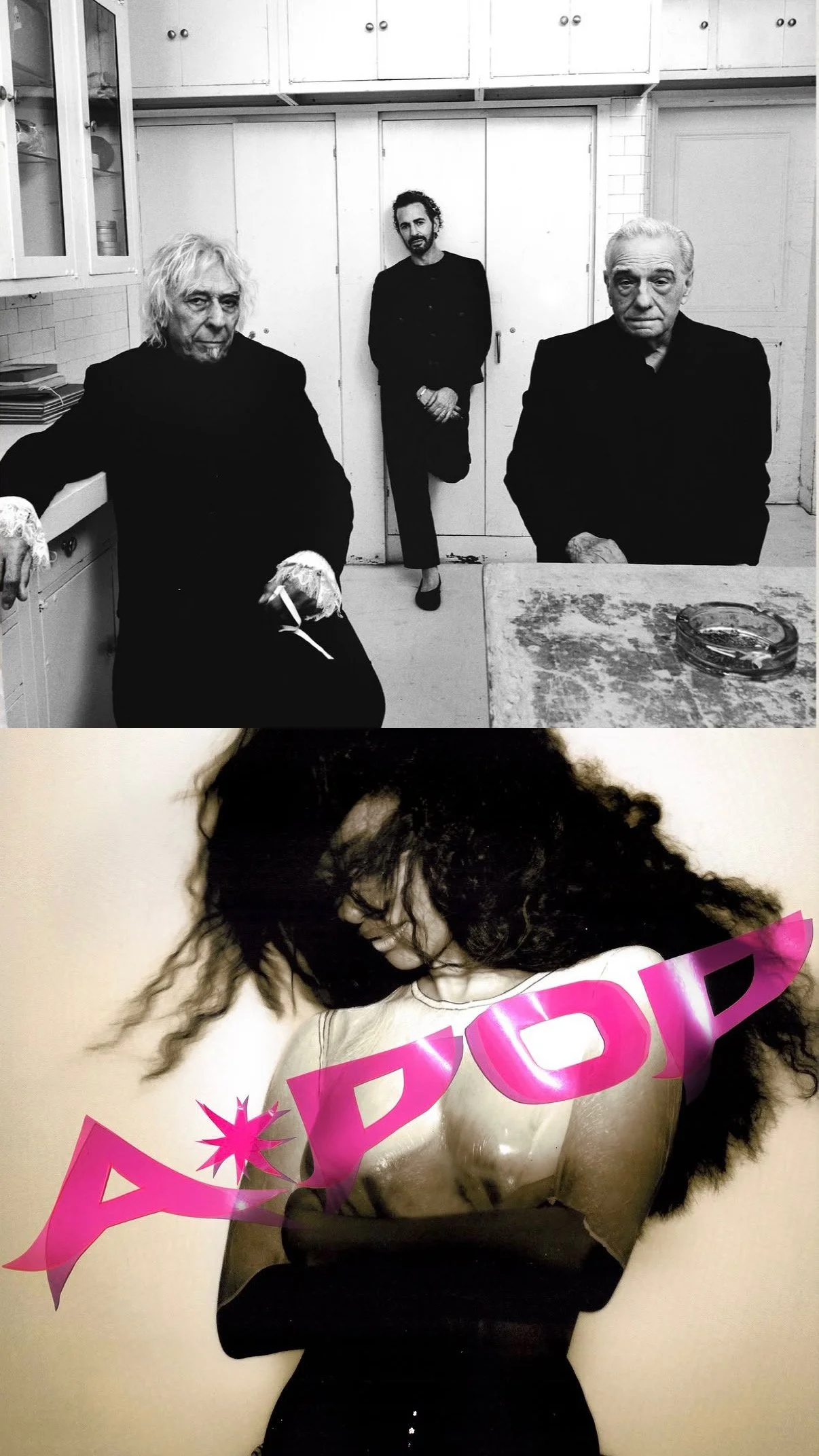
There was even talk of the death of music genres as a concept, but, after half a decade of unceasing projects each more ambitious than the last, a countercurrent now seems to be emerging, and an example of that would be these two albums that came out last week:Tyla’s A-POP, sophomore álbum, and Music, Fashion, Film, the long-awaited piece by Charli XCX after the turning point that brat meant in her career.
At first glance, putting these two artists under the same umbrella, or even in the same article, might seem a little bit risky, but once explained it all falls into place. Not only do these two records have in common their release date, they also share the fact that they both faced huge expectations following the high benchmark set by their predecessors, as I mentioned in Charli’s case, or likewise, with Tyla’s self-titled album.
Unfortunately, after almost two weeks in which the artists’ new music has had time to resonate with us, they ended up meeting in a much more bitter place, and the truth is, the genre fundamentalism they clung to ultimately backfired on them. And mind you, perhaps this is a lesson that, in its very nature, borders on humanism.
To be frank, A-POP just as much as Music, Fashion, Film sound lazy, at least when listening to their tracks as a whole, and I am fully aware of the statement of intentions that both works represent –the critique of the radicalization of the music on Tyla’s part, and the break from the club scene on Charli’s–, but on the road to achieving a principle, it being political or conceptual, the main appeal of their product seems to have vanished: themselves. At the end of the day, as people, we are complex beings, and it is obvious that as artists, the right to reductionism has to exist out of the desire to highlight the main idea behind a specific work, but its execution has to be meticulously polished for it not to be in vain. Even more if your past era has marked the peak of your career. When the concept overflows the identity and goes beyond it –repetitive lyrics, songs that sound the same– the piece can be banalized, at least to the casual listener, which is all more evident with artists of their caliber that clearly were not made for such rigid constraints. Still, that does not make the records any less enjoyable. It’s summer, and a playlist refresh is always a good idea. I am enjoying them–immensely, in fact.
Words by Hugo Fernández
Translated by Ana Galín